
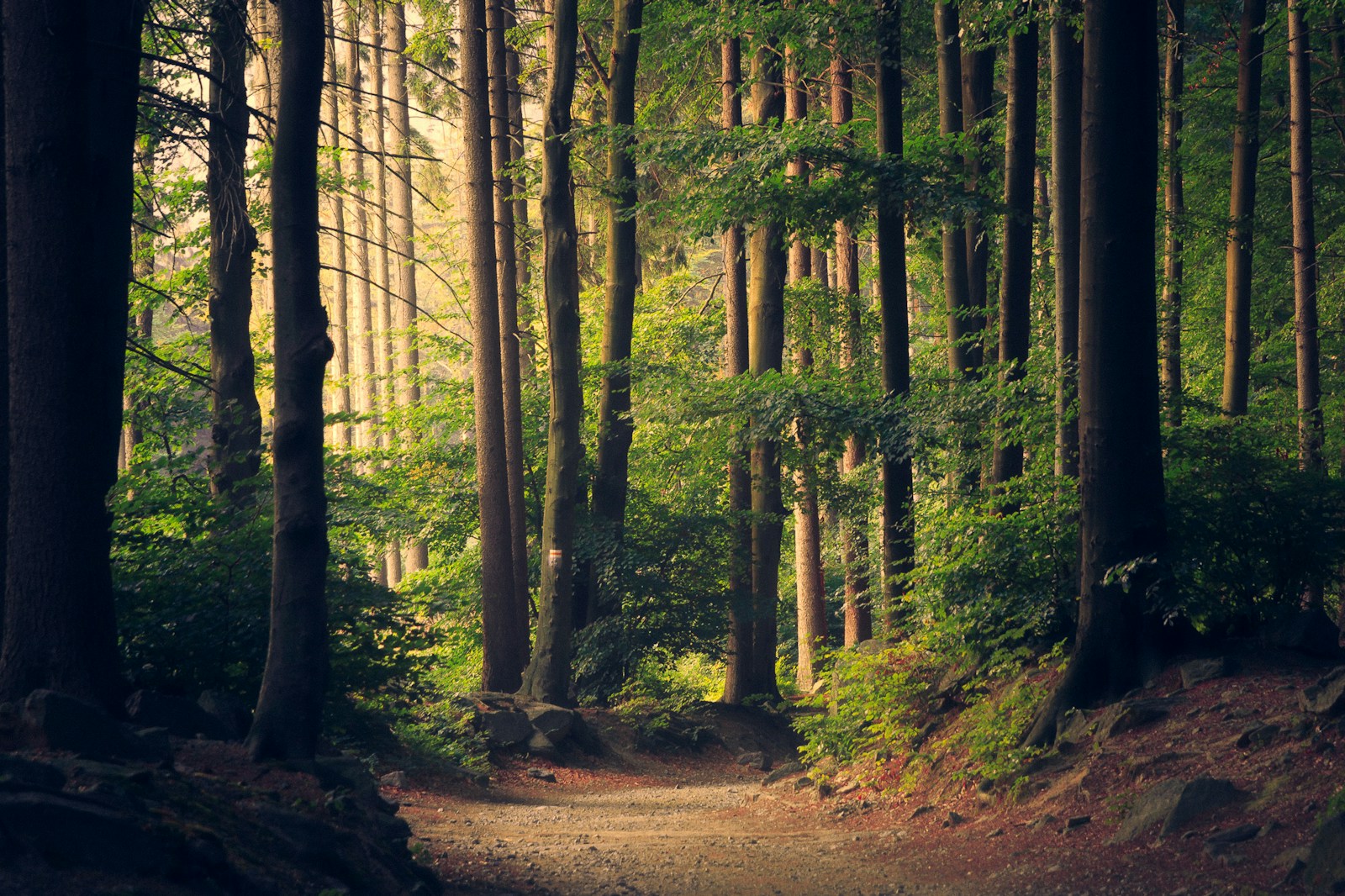
Charter Marsh Wildlife Sanctuary
🌤 Weather at Charter Marsh Wildlife Sanctuary by season
| Spring | Summer | Fall | Winter |
|---|---|---|---|
| 28–70 °F | 57–84 °F | 32–75 °F | 19–42 °F |
Each range runs from the coldest monthly average low to the warmest monthly average high in that season (1991-2020 climate normals), measured at Meriden Markham Municipal Airport, 12 mi away, elevation 103 ft. Conditions at the park can differ from the station, especially where elevation differs — check a forecast before you go.

🏆 Freshwater Marsh — Freshwater marsh sanctuary along the Connecticut River
Charter Marsh Wildlife Sanctuary protects a freshwater marsh system along the Connecticut River — New England’s longest river (407 miles). The marsh provides important habitat for breeding marsh birds including least bitterns, Virginia rails, and marsh wrens. The Connecticut River tidal marshes are among the most productive ecosystems in New England, supporting hundreds of species from fish to waterfowl.
Visitor Information
| Detail | Information |
|---|---|
| Location | Connecticut River, CT |
| Entry Fee | Free |
| River | CT River (NE’s longest — 407mi) |
| Birds | Least bittern, Virginia rail, marsh wren |
Frequently Asked Questions
Can I canoe through the marsh?
Paddling is an excellent way to explore the marsh — approach quietly and you’ll see herons, bitterns, and ducks that are invisible from shore. Launch from nearby Connecticut River access points.
Why are horseshoe crabs important?
Horseshoe crabs have existed for 450+ million years — predating dinosaurs, trees, and most life on Earth. Their blue copper-based blood contains a substance (LAL) that detects bacterial contamination — every injectable drug and medical device in the US is tested using horseshoe crab blood. The crabs’ eggs also feed millions of migrating shorebirds. Declining populations threaten both medical testing and bird migration.
About Charter Marsh
Charter Marsh Wildlife Sanctuary protects a freshwater marsh in the Connecticut River valley. The marsh provides important habitat for waterfowl, wading birds, and amphibians in the river’s floodplain. Spring flooding creates temporary vernal pools critical for salamander and frog reproduction.
Things to Do
Birdwatching (especially during spring waterfowl migration), wildlife photography, and nature observation. The marsh is part of the broader Connecticut River ecosystem — a flyway used by millions of migratory birds annually.
Insider Tips
Freshwater marsh: Charter Marsh is a freshwater tidal marsh — influenced by Long Island Sound tides but receiving freshwater from upland streams. Pro tip: Tidal marshes are among the most productive ecosystems on Earth — producing more organic matter per acre than tropical rainforests. Horseshoe crabs: Long Island Sound beaches host ancient horseshoe crab spawning — these living fossils predate the dinosaurs by 200 million years.
Best Time to Visit
May-June: Horseshoe crab spawning. Fall: Marsh migration. Spring: Wetland birds. Winter: Wintering raptors.
Wildlife & Nature
Charter Marsh protects freshwater wetland habitat that provides critical stopover sites for migrating birds — Connecticut’s location on the Atlantic Flyway makes every wetland valuable during spring and fall migration. The marsh supports nesting red-winged blackbirds, marsh wrens, and Virginia rails — secretive birds that call from dense cattail stands. Muskrats build lodges in the marsh — their dome-shaped structures of cattails and mud are visible in winter. The wetland edges support buttonbush and winterberry holly — the latter’s bright red berries providing food for cedar waxwings and robins through winter. Great blue herons stand motionless in the shallows, waiting to spear fish and frogs with their dagger-like bills.
Nearby Attractions
Wadsworth Atheneum Museum of Art in Hartford is the oldest public art museum in the US (1842) — with an outstanding collection of Hudson River School paintings, Baroque art, and contemporary works. Bushnell Park in downtown Hartford features a beautifully restored 1914 carousel. Connecticut State Capitol — a Gothic masterpiece of gold-leaf, marble, and stained glass — offers free tours. Mark Twain House is where Samuel Clemens wrote “Tom Sawyer” and “Huckleberry Finn.” The Harriet Beecher Stowe Center next door celebrates the author of “Uncle Tom’s Cabin” — the book that helped ignite the Civil War.
Keep exploring: The closest neighbors are Minnie Island State Park (a short drive away) and Maromas Coop Wildlife Management Area (a short drive away).

🐾 Dogs & Pets at Charter Marsh Wildlife Sanctuary
- Pets allowed? statewide rule
- Pets on a leash are permitted in most Connecticut state parks and forests, but not in buildings, swimming areas or state park campgrounds.
- Leash rule statewide rule
- Pets must be leashed and under control at all times; in state forest camping areas the leash may be no longer than 7 feet.
- Beaches & swim areas statewide rule
- Pets are prohibited in swimming areas; Sherwood Island and Squantz Pond State Parks ban pets entirely April 15 - September 30.
- Cabins & lodging statewide rule
- Pets are banned from all state park campgrounds; they are allowed only in the American Legion, Pachaug and Salt Rock state forest campgrounds, but not on rustic cabin sites.
- Statewide exceptions statewide rule
- Pets prohibited year-round at Dinosaur State Park and in the formal gardens and beach at Harkness Memorial State Park.
Are dogs allowed at Charter Marsh Wildlife Sanctuary?
Pets on a leash are permitted in most Connecticut state parks and forests, but not in buildings, swimming areas or state park campgrounds. Individual parks can post stricter rules — check signage on arrival.
Rules verified July 2026 via portal.ct.gov. More: Connecticut state parks guide · Dog rules in all 50 states compared
Plan your gear for Charter Marsh Wildlife Sanctuary
From our editorial guides, matched to this park’s activities:
Top Tours & Activities in Connecticut
 from $100
 from $28from $75