
🌤 Weather at Osage Village State Historic Site by season
| Spring | Summer | Fall | Winter |
|---|---|---|---|
| 35–75 °F | 64–89 °F | 35–80 °F | 22–47 °F |
Each range runs from the coldest monthly average low to the warmest monthly average high in that season (1991-2020 climate normals), measured at Nevada Wtp, 13 mi away, elevation 871 ft. Conditions at the park can differ from the station, especially where elevation differs — check a forecast before you go.

🏆 Missouri History — Archaeological site of a major Osage Nation village occupied from the 1600s to 1700s — the Osage were the dominant power of the central plains, controlling trade from the Great Lakes to the Arkansas River.
Visitor Information
| Detail | Information |
|---|---|
| Location | Missouri |
| Entry Fee | Free admission! |
About Osage Village
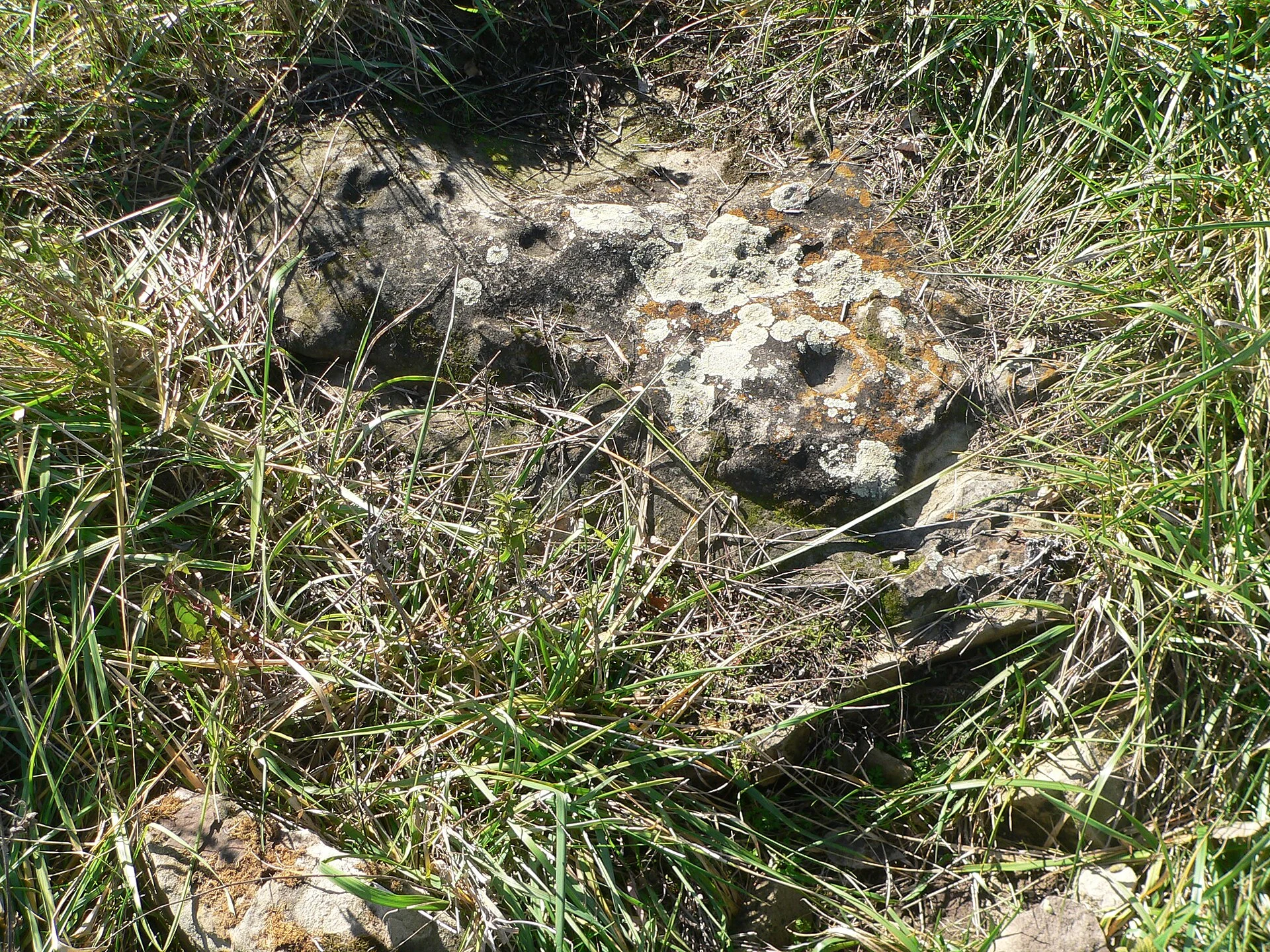
Osage Village State Historic Site in Vernon County preserves the location of a major Osage Nation village occupied from the late 1600s to the early 1800s. The Osage — the dominant Native American power of the central Great Plains — controlled a territory stretching from Missouri to Kansas and Oklahoma. They were among the tallest people in the world at the time (men averaging 6’2″) and were formidable warriors and diplomats who negotiated with French, Spanish, and American powers.
Things to Do
Walking the interpreted village site, viewing the archaeological exhibits, learning about Osage culture and political power, and reflecting on the indigenous history of the western Missouri prairies.
Visiting Today
The interpreted village site on the western Missouri prairie includes archaeological exhibit panels and a walking trail. The Osage Nation, now headquartered in Pawhuska, Oklahoma, became one of the wealthiest communities in the world after oil was discovered on their reservation in the 1920s. This peaceful site honors their Missouri homeland.
Getting There
Located near Nevada in Vernon County on Highway 71. The quiet prairie setting contrasts dramatically with the Osage Nation’s later oil wealth in Oklahoma. Interpretive panels provide context for the Osage lifeways. Combine with the nearby Bushwhacker Museum in Nevada for a Civil War heritage addition.
Insider Tips
Osage Nation: This site marks a major village of the Osage Nation — once the dominant power in the central Great Plains. Pro tip: The Osage controlled territory from Kansas to Arkansas — they were one of the tallest peoples in the world (average male height 6’2″ in the 1700s). Oil wealth: The Osage Nation later became the wealthiest people per capita in the world after oil was discovered on their Oklahoma reservation — the story told in “Killers of the Flower Moon.”
Best Time to Visit
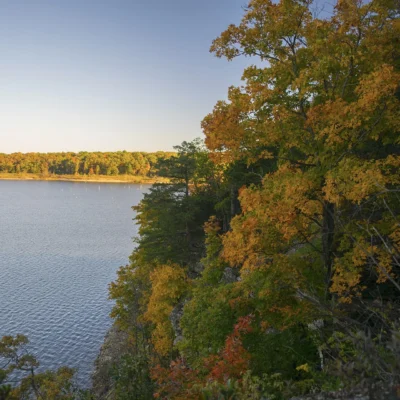
Spring/fall: Prairie landscape at its best. Summer: Full interpretive programs. Year-round: Memorial and interpretive panels. Winter: Quiet reflection.
Frequently Asked Questions
What happened in Killers of the Flower Moon?
In the 1920s, Osage tribal members were systematically murdered for their oil wealth (headrights). At least 24 Osage were killed — many more deaths were covered up. The conspiracy reached into local law enforcement. The case became one of the FBI’s first major investigations under J. Edgar Hoover. David Grann’s book (2017) and Martin Scorsese’s film (2023) brought this American crime to national attention.
Make it a road trip: Pair a visit with Harry S. Truman State Park (a short drive away) or Truman Lake State Park (a short drive away).
Wildlife & Nature
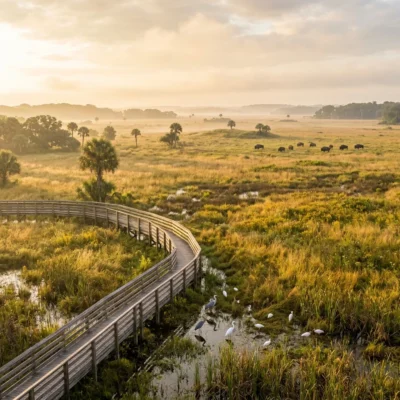
Osage Village SHS — preserves the site of an 18th-century Osage Nation village. The Osage were the dominant power in the region before European contact. The park’s prairie and woodland support meadowlarks, red-tailed hawks, and white-tailed deer.
Nearby Attractions
Nevada — 15 miles north. El Dorado Springs — 15 miles south.

🐾 Dogs & Pets at Osage Village State Historic Site
- Pets allowed? statewide rule
- Responsible pet owners and their pets are welcome in Missouri state parks and historic sites, with pets leashed and under control.
- Leash rule statewide rule
- Leash not longer than 10 feet required at all times; portable fences and shock collars do not satisfy the requirement.
- Beaches & swim areas statewide rule
- Pets are not allowed in public swimming areas or on beaches.
- Cabins & lodging statewide rule
- The 'Cabins for Canines' program opens about 30% of lodging units to dogs (max two dogs per unit) at roughly 15 participating parks including Lake of the Ozarks, Bennett Spring, Echo Bluff and Roaring River; per-dog per-night fee varies by unit type.
- Pet fees statewide rule
- No day-use pet fee; Cabins for Canines charges a per-dog, per-night lodging fee (varies by unit).
- Statewide exceptions statewide rule
- Maximum two dogs per campsite; pets not allowed inside any park building.
Are dogs allowed at Osage Village State Historic Site?
Responsible pet owners and their pets are welcome in Missouri state parks and historic sites, with pets leashed and under control. Individual parks can post stricter rules — check signage on arrival.
Rules verified July 2026 via mostateparks.com. More: Missouri state parks guide · Dog rules in all 50 states compared
Park Location
Plan your gear for Osage Village State Historic Site
From our editorial guides, matched to this park’s activities:

Top Tours & Activities Near Kansas City
 from $30
 from $779
 from $75