

🌤 Weather at Pease Brook Wildlife Management Area by season
| Spring | Summer | Fall | Winter |
|---|---|---|---|
| 28–68 °F | 57–80 °F | 34–73 °F | 19–40 °F |
Each range runs from the coldest monthly average low to the warmest monthly average high in that season (1991-2020 climate normals), measured at Storrs, 11 mi away, elevation 665 ft. Conditions at the park can differ from the station, especially where elevation differs — check a forecast before you go.

🏆 Brook Habitat — Riparian habitat along Pease Brook in Connecticut
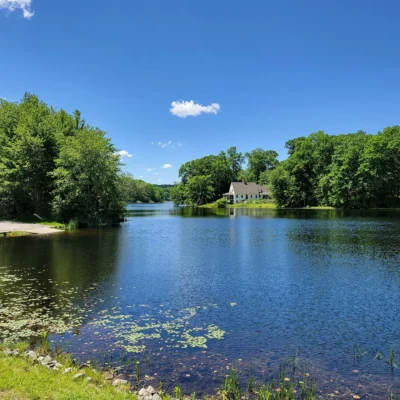
Pease Brook Wildlife Management Area protects riparian habitat along Pease Brook, providing wildlife corridors and hunting access. The brook and adjacent wetlands support amphibians, reptiles, and breeding songbirds in the Connecticut countryside.
Visitor Information
| Detail | Information |
|---|---|
| Location | Connecticut |
| Entry Fee | Free |
| Habitat | Brook corridor, riparian |
About Pease Brook WMA
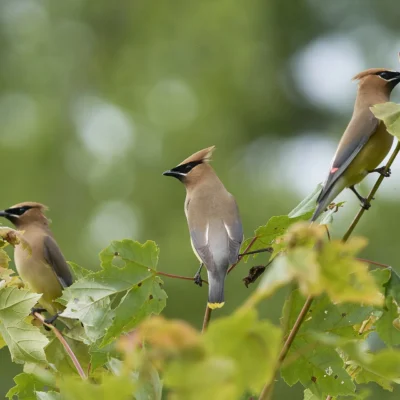
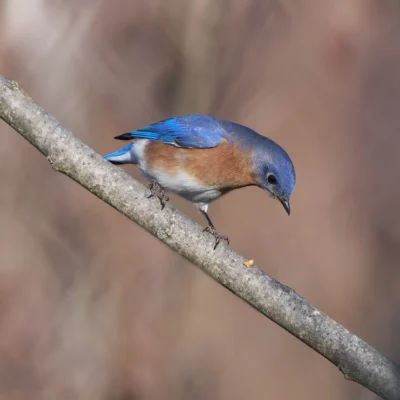
Pease Brook Wildlife Management Area protects a small stream corridor and surrounding upland forest in Connecticut. The brook and its adjacent wetlands provide habitat for wood ducks, brook trout, and amphibians that depend on clean headwater streams.
Pease Brook Wildlife Management Area in Windham County provides hunting and wildlife habitat in the quiet northeastern corner of Connecticut. The brook and surrounding forest support the small, cold streams that harbor Connecticut’s native brook trout — a species that requires water temperatures below 68°F and is increasingly threatened by climate warming.
Things to Do
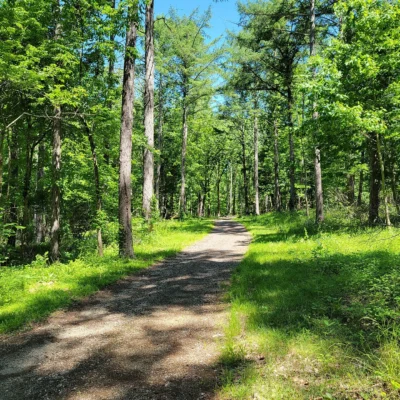
Hunting (seasonal), fishing for brook trout in the small stream, birdwatching, and quiet nature walks through the forest.
Hunting (deer, turkey, small game — seasonal), brook trout fishing, hiking, birdwatching, and exploring the rural landscape of Connecticut’s least-developed county.
Plan Your Visit
Pease Brook provides hunting, fishing, and wildlife observation in northeastern Connecticut’s “Quiet Corner” — the least developed region of the state. The area sits in the Quinebaug-Shetucket Rivers Valley National Heritage Corridor — designated by Congress as “The Last Green Valley” because satellite images show it as the last dark spot in the Boston-Washington megalopolis. Old Sturbridge Village (20 miles north in MA) recreates 1830s New England.
Insider Tips
Wetland network: Pease Brook is part of CT’s network of wildlife management areas — protecting critical habitat in one of America’s most densely populated states. Pro tip: CT has 738 people per square mile — the 4th densest state — making every protected acre precious. Biodiversity: Despite its small size and dense population, CT supports 2,600+ plant species and 400+ bird species.
Best Time to Visit
Spring: Migrating birds. Fall: Waterfowl and foliage. Summer: Wetland ecology. Winter: Wintering birds.
Frequently Asked Questions
How does CT balance development and nature?
Connecticut faces the challenge of protecting biodiversity in one of America’s most developed states. The state uses a combination of state parks, wildlife management areas, land trusts (130+), and conservation easements to protect critical habitat. The “Green Plan” identifies priority conservation lands. Despite being the third-smallest state with 3.6 million people, CT has protected 500,000+ acres — roughly 20% of the state — through public and private conservation.
Wildlife & Nature
Pease Brook WMA manages riparian habitat critical for native trout and amphibian communities. Riparian buffers — the vegetated strips along streams — are among the most ecologically important habitats per acre. They shade streams (keeping water cool for trout), filter pollutants from runoff, prevent erosion, and provide travel corridors for wildlife. A 100-foot riparian buffer can remove 85% of nitrogen from agricultural runoff. Spring salamander migrations to breeding pools are one of the season’s first wildlife events — spotted salamanders, Jefferson’s salamanders, and wood frogs travel hundreds of meters through rain and darkness to reach vernal pools. Volunteer “crossing guards” help them across roads during peak migration nights.
Nearby Attractions
The area provides access to Connecticut’s central recreation corridor. Salmon River State Forest — named for Atlantic salmon restoration efforts — offers excellent trout fishing and scenic paddling. Day Pond State Park features an old quarry swimming hole. Hurd State Park on the Connecticut River provides cliff-top views from Split Rock. Meshomasic State Forest — Connecticut’s first state forest (1903) — pioneered conservation in the state. Cobalt village in East Hampton was named for cobalt mining operations that supplied the glass and pottery industries.
Make it a road trip: Pair a visit with Gay City State Park (a short drive away) or Bolton Notch State Park (a short drive away).

🐾 Dogs & Pets at Pease Brook Wildlife Management Area
- Pets allowed? statewide rule
- Pets on a leash are permitted in most Connecticut state parks and forests, but not in buildings, swimming areas or state park campgrounds.
- Leash rule statewide rule
- Pets must be leashed and under control at all times; in state forest camping areas the leash may be no longer than 7 feet.
- Beaches & swim areas statewide rule
- Pets are prohibited in swimming areas; Sherwood Island and Squantz Pond State Parks ban pets entirely April 15 - September 30.
- Cabins & lodging statewide rule
- Pets are banned from all state park campgrounds; they are allowed only in the American Legion, Pachaug and Salt Rock state forest campgrounds, but not on rustic cabin sites.
- Statewide exceptions statewide rule
- Pets prohibited year-round at Dinosaur State Park and in the formal gardens and beach at Harkness Memorial State Park.
Are dogs allowed at Pease Brook Wildlife Management Area?
Pets on a leash are permitted in most Connecticut state parks and forests, but not in buildings, swimming areas or state park campgrounds. Individual parks can post stricter rules — check signage on arrival.
Rules verified July 2026 via portal.ct.gov. More: Connecticut state parks guide · Dog rules in all 50 states compared
Park Location
Plan your gear for Pease Brook Wildlife Management Area
From our editorial guides, matched to this park’s activities:

Top Tours & Activities Near Hartford
 from $143
 from $79
 from $20