
🌤 Weather at Messerschmidt Wildlife Management Area by season
| Spring | Summer | Fall | Winter |
|---|---|---|---|
| 30–71 °F | 60–85 °F | 35–76 °F | 20–42 °F |
Each range runs from the coldest monthly average low to the warmest monthly average high in that season (1991-2020 climate normals), measured at Hartford Brainard Field, 10 mi away, elevation 19 ft. Conditions at the park can differ from the station, especially where elevation differs — check a forecast before you go.

🏆 Rural Habitat — Upland forest and wetland in rural Connecticut
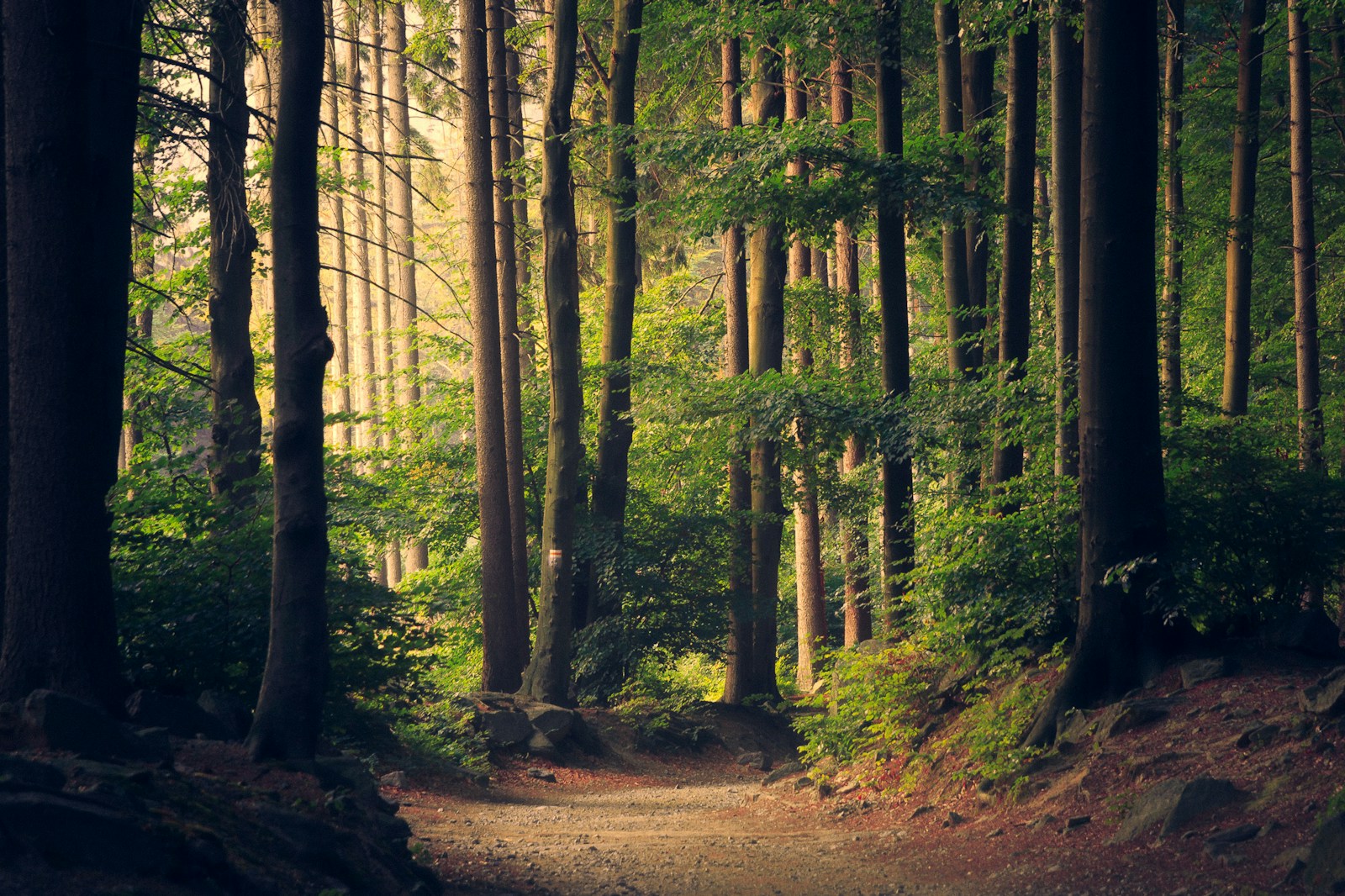
Messerschmidt Wildlife Management Area provides upland forest and wetland habitat for wildlife conservation and public hunting in Connecticut. The mixed hardwood forest typical of central Connecticut supports deer, turkey, and small game.
Visitor Information
| Detail | Information |
|---|---|
| Location | Connecticut |
| Entry Fee | Free |
| Habitat | Mixed hardwood, wetland edge |
About Messerschmidt WMA
Messerschmidt Wildlife Management Area provides forest and wetland habitat for game species in Connecticut. Named for the former landowner family, the area offers hunting grounds and wildlife viewing in a mix of hardwood forest and shrubby wetland edges that support diverse bird and mammal populations.
Messerschmidt Wildlife Management Area in Windham County preserves upland forest habitat in Connecticut’s northeastern hills. The area is managed for early-successional habitat — the brushy young-forest stage that supports the New England cottontail rabbit, a species so rare it was a candidate for federal endangered listing. Connecticut’s WMA system provides the last stronghold for this native rabbit, which has been largely replaced by the introduced eastern cottontail.
Things to Do
Hunting (deer, turkey, small game), wildlife observation, and nature walks. The mixed habitat supports good populations of game species.
Hunting (upland game, deer, turkey — seasonal), wildlife viewing for the rare New England cottontail, birdwatching for young-forest specialists like chestnut-sided warblers and prairie warblers, and hiking.
Frequently Asked Questions
Do I need a permit to visit?
Connecticut Wildlife Management Areas are open to the public for hiking, birdwatching, and nature study without a permit. Hunting and fishing require valid Connecticut licenses and stamps. WMAs may be closed during certain hunting seasons — check the CT DEEP website for current access restrictions.
Are dogs allowed?
Dogs are permitted but must be kept under control at all times. During bird nesting season (April through July), dogs should be leashed to protect ground-nesting species. Hunting dogs are allowed during designated hunting seasons with appropriate permits.
What makes this WMA different from nearby state parks?
WMAs prioritize wildlife habitat management over visitor facilities. You won’t find marked trails, restrooms, or picnic areas — but you will find wilder, quieter landscapes with better wildlife viewing. WMAs attract fewer visitors, making encounters with deer, foxes, and raptors more likely.
Is mountain biking allowed?
Mountain biking is generally not permitted on Connecticut WMAs — these areas prioritize wildlife habitat and low-impact recreation. Mountain biking is available at many Connecticut state forests and some state parks. Check CT DEEP for bike-friendly locations.
Wildlife & Nature
Messerschmidt WMA provides upland game habitat in Connecticut’s eastern hills. The property demonstrates how targeted habitat management can benefit wildlife — controlled cutting, mowing, and planting create the structural diversity that declining species need. American woodcock are a priority management species — their elaborate courtship flights (spiraling skyward at dusk, then tumbling back with twittering wings) are among the most captivating wildlife spectacles in the Northeast. The best viewing occurs in April during the “peenting” season. Ruffed grouse populations have declined 75% in Connecticut since 1970 — primarily due to forest maturation eliminating the young, dense growth they need for survival.
Nearby Attractions
Natchaug State Forest provides extensive trail networks and excellent trout fishing. Eastford and Chaplin represent Connecticut’s most rural landscape — working farms, dirt roads, and covered bridges persist. Windham offers the Windham Textile & History Museum in a former cotton mill. Willimantic Whitewater Park on the Willimantic River provides kayaking and canoeing. UConn’s Connecticut State Museum of Natural History covers the state’s geological and biological heritage. Brimfield Antique Show (across the MA border) is the world’s largest outdoor antique market.
More parks nearby: Meshomasic State Forest is a short drive away, while Rose Hill Wildlife Management Area lies a short drive away.

🐾 Dogs & Pets at Messerschmidt Wildlife Management Area
- Pets allowed? statewide rule
- Pets on a leash are permitted in most Connecticut state parks and forests, but not in buildings, swimming areas or state park campgrounds.
- Leash rule statewide rule
- Pets must be leashed and under control at all times; in state forest camping areas the leash may be no longer than 7 feet.
- Beaches & swim areas statewide rule
- Pets are prohibited in swimming areas; Sherwood Island and Squantz Pond State Parks ban pets entirely April 15 - September 30.
- Cabins & lodging statewide rule
- Pets are banned from all state park campgrounds; they are allowed only in the American Legion, Pachaug and Salt Rock state forest campgrounds, but not on rustic cabin sites.
- Statewide exceptions statewide rule
- Pets prohibited year-round at Dinosaur State Park and in the formal gardens and beach at Harkness Memorial State Park.
Are dogs allowed at Messerschmidt Wildlife Management Area?
Pets on a leash are permitted in most Connecticut state parks and forests, but not in buildings, swimming areas or state park campgrounds. Individual parks can post stricter rules — check signage on arrival.
Rules verified July 2026 via portal.ct.gov. More: Connecticut state parks guide · Dog rules in all 50 states compared
Park Location
Plan your gear for Messerschmidt Wildlife Management Area
From our editorial guides, matched to this park’s activities:
Top Tours & Activities Near Hartford
 from $143
 from $79
 from $20