
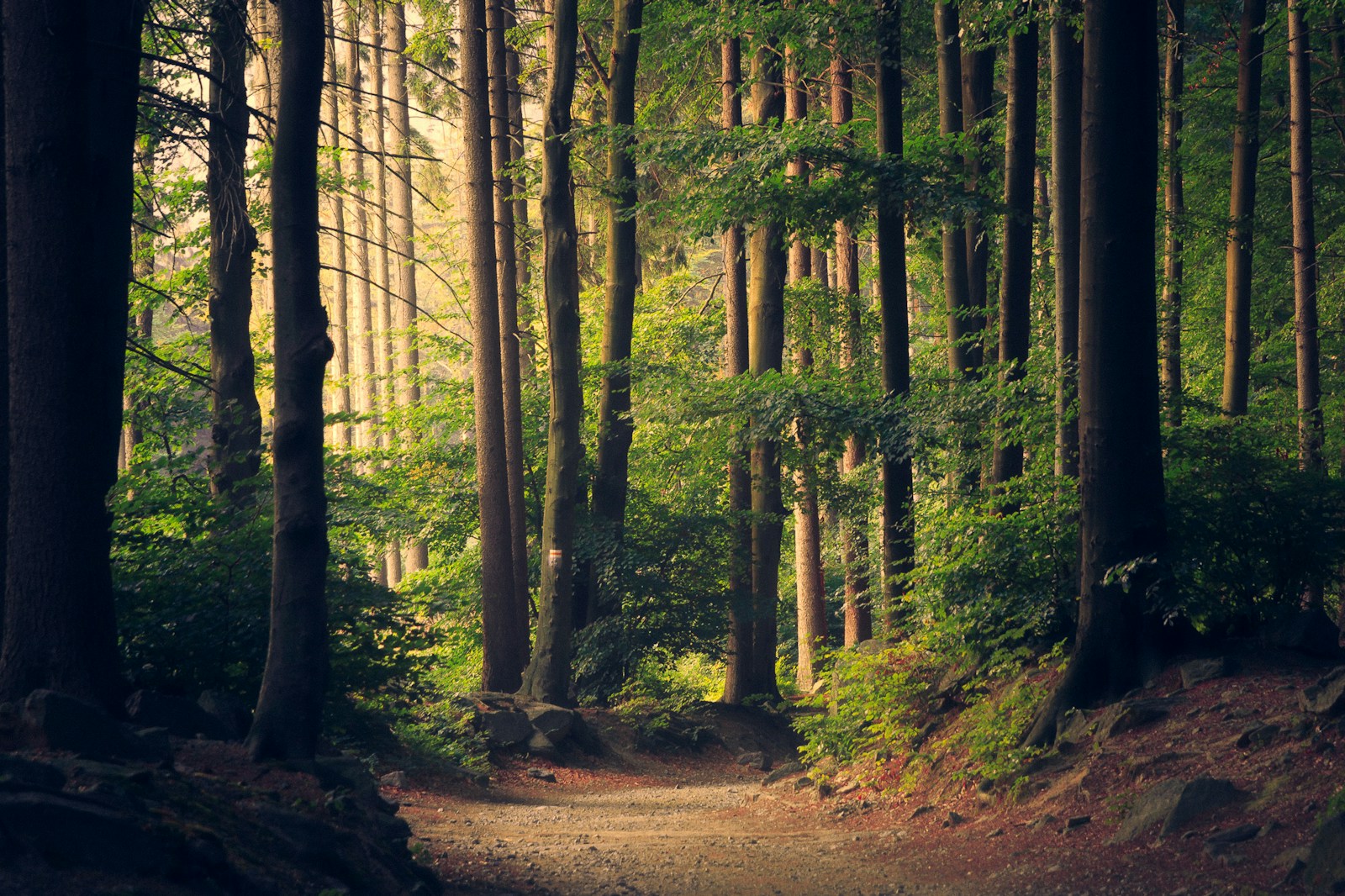
Penobscot River Corridor
🌤 Weather at Penobscot River Corridor by season
| Spring | Summer | Fall | Winter |
|---|---|---|---|
| 17–66 °F | 52–79 °F | 27–70 °F | 3–32 °F |
Each range runs from the coldest monthly average low to the warmest monthly average high in that season (1991-2020 climate normals), measured at Lincoln Sanitary District/wtp, 15 mi away, elevation 190 ft. Conditions at the park can differ from the station, especially where elevation differs — check a forecast before you go.

🏆 River of the Dawn People — Protected corridor along Maine’s mightiest river — sacred to the Penobscot Nation for 11,000+ years
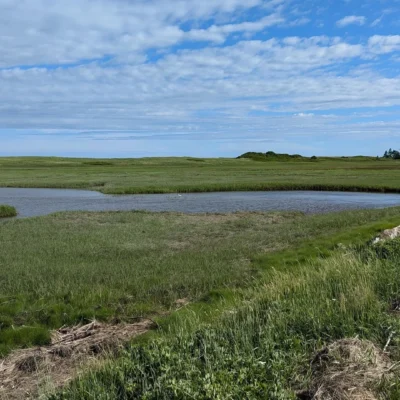
Penobscot River Corridor protects critical stretches of Maine’s mightiest river — the Penobscot, which the Penobscot Nation has called home for over 11,000 years. “Panawahpskek” means “the place of the descending ledge.” The corridor protects riverbank habitat for bald eagles, Atlantic salmon (the Penobscot is the largest Atlantic salmon river in the US), and the river otter. The 2012 removal of the Great Works Dam and Veazie Dam opened 1,000 miles of river habitat — one of the largest dam removal projects in American history.
Visitor Information
| Detail | Information |
|---|---|
| Location | Penobscot County, ME |
| Entry Fee | Free |
| River | Maine’s mightiest — 11,000 years sacred! |
| Restoration | 2012 dam removal — 1,000 miles opened! |
Frequently Asked Questions
What happened with the dam removals?
The 2012 removal of Great Works Dam and the 2013 removal of Veazie Dam reopened 1,000 miles of river habitat for Atlantic salmon, alewives, and shad. Salmon populations have increased dramatically — one of the greatest river restoration successes in American history.
What happened with the dam removals?
The Penobscot River Restoration Project removed the Veazie Dam (2013) and Great Works Dam (2012) — reopening 1,000+ miles of river for Atlantic salmon, river herring, and shad. A nature-like bypass was built at Howland Dam. The innovative project maintained 90%+ of the river’s hydroelectric capacity while transforming ecological access. Fish populations are recovering — sea-run fish are returning to reaches unseen in 200 years.
Keep exploring: The closest neighbors are Bradley (within about an hour’s drive) and Peaks-Kenny State Park (within about an hour’s drive).
🐟 Visit Penobscot River Corridor
Maine’s mightiest river — 2012 dam removal opened 1,000 miles!
About Penobscot River Corridor
Penobscot River Corridor public reserved land protects shoreline along the West Branch of the Penobscot River — one of Maine’s legendary whitewater rivers. The river here passes through the dramatic Ripogenus Gorge — a Class V-V+ canyon that is one of the most challenging whitewater runs in the eastern U.S. The Penobscot Nation’s ancestral territory.
Things to Do
Whitewater rafting through Ripogenus Gorge (guided trips — thrilling Class IV-V rapids), fishing for landlocked salmon, canoeing calmer sections, camping, and moose watching along the river corridor.
Insider Tips
River renaissance: The Penobscot River is experiencing a remarkable ecological renaissance — dam removals (2012-2016) have reopened 1,000+ miles of fish habitat. Pro tip: The Penobscot River Restoration Project was the largest river restoration effort in US history — removing two dams while maintaining hydroelectric capacity through improvements elsewhere. Penobscot Nation: The Penobscot people have lived along this river for 10,000+ years.
Best Time to Visit
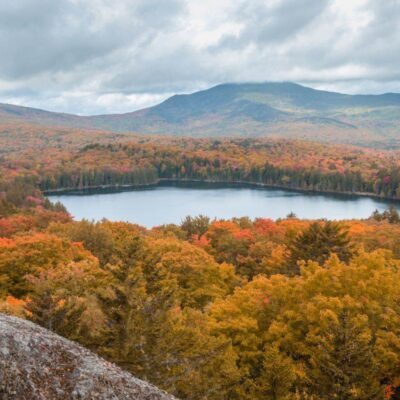
Spring: River fishing — restored runs. Summer: Canoeing and kayaking. Fall: River corridor foliage. Winter: Eagle watching along the river.
Wildlife & Nature
Penobscot River Corridor — protects over 25 miles of the West Branch of the Penobscot River. The corridor’s river, boreal forest, and wetlands support moose, bald eagles, and brook trout. Ripogenus Gorge offers Class IV-V whitewater. Henry David Thoreau traveled this river in his Maine Woods expeditions.
Nearby Attractions
Ripogenus Dam — upstream. Baxter SP — adjacent. Millinocket — 30 miles east.

🐾 Dogs & Pets at Penobscot River Corridor
- Pets allowed? statewide rule
- Pets are allowed at most Maine state parks year-round, including trails, but must be leashed, under the handler's physical control and never left unattended.
- Leash rule statewide rule
- Leash not exceeding 4 feet, under the physical control of the handler
- Beaches & swim areas statewide rule
- Pets are not allowed on state park beaches April 1 through September 30; leashed pets are welcome on beaches October 1 through March 31
- Statewide exceptions statewide rule
- No pets allowed at Sebago Lake State Park campground; park staff may assign pet owners to less congested camping areas
- Dogs & wildlife
- Pets must be leashed and attended in campsites and under control elsewhere — and because trappers are permitted on Maine Public Lands, the state advises pet owners to exercise caution.
Are dogs allowed at Penobscot River Corridor?
Pets are allowed at most Maine state parks year-round, including trails, but must be leashed, under the handler's physical control and never left unattended. Individual parks can post stricter rules — check signage on arrival.
Rules verified July 2026 via maine.gov. More: Maine state parks guide · Dog rules in all 50 states compared
🐻 Wildlife at Penobscot River Corridor: What to Watch For — and Watch Out For
Worth watching for: Maine's Bureau of Parks and Lands says wildlife abounds here, and visitors frequently see moose, deer, black bears, and bald eagles along the 100-plus miles of river and lakes. The waters hold wild brook trout and landlocked salmon, and Lobster Lake is noted for its abundant birdlife.
Watch out for: Moose, bear, and other large animals are abundant: observe from a safe distance and do not flush wildlife. When camping, food must be securely stowed and tents kept free of food and food odors. Mosquitoes and black flies are thickest from late May through July, and wear blaze orange during fall hunting seasons. Cell coverage is spotty to non-existent, so carry a map and compass and notify someone of your route.
Are there bears at Penobscot River Corridor?
Yes — see above for where they occur in the park and how to behave. Sightings are a normal part of a healthy park; incidents are rare when visitors keep distance and store food properly.
Wildlife information verified July 2026 via maine.gov.
Park Location
Plan your gear for Penobscot River Corridor
From our editorial guides, matched to this park’s activities:
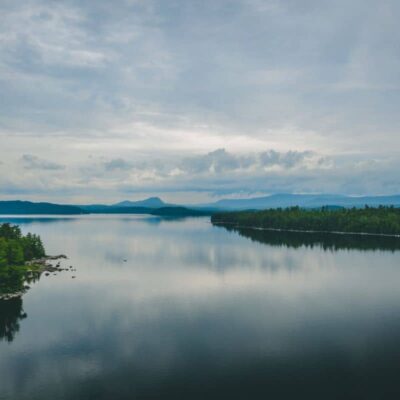
Top Tours & Activities Near Maine
 from $851
 from $75
 from $110