🌤 Weather at Steptoe Battlefield State Park Heritage Site by season
| Spring | Summer | Fall | Winter |
|---|---|---|---|
| 31–67 °F | 47–86 °F | 29–76 °F | 24–42 °F |
Each range runs from the coldest monthly average low to the warmest monthly average high in that season (1991-2020 climate normals), measured at Rosalia, 0 mi away, elevation 2,420 ft. Conditions at the park can differ from the station, especially where elevation differs — check a forecast before you go.

⚔️ The Battle the Army Tried to Forget — When Native Warriors Routed the U.S. Military in the Washington Territory — Steptoe Battlefield State Park Heritage Site near Rosalia, Washington, Battle of Pine Creek / Tohotonimme (May 17, 1858), Colonel Edward Steptoe vs allied Spokane, Coeur d’Alene, and Palouse warriors, U.S. Army defeated and forced to retreat under cover of darkness, buried howitzers, Steptoe Butte, led to Colonel Wright’s punitive campaign — Whitman County, WA
On May 17, 1858, Colonel Edward Steptoe marched 159 soldiers into the rolling hills of eastern Washington Territory. He told himself it was a routine patrol. By afternoon, 700 Spokane, Coeur d’Alene, and Palouse warriors had surrounded his column, killed seven of his men, wounded many more, and driven the U.S. Army into a humiliating nighttime retreat.
Steptoe’s men buried their howitzers, abandoned their wounded, and fled south under cover of darkness. It was one of the worst defeats the U.S. Army suffered in the Pacific Northwest — and it triggered a brutal punitive campaign that broke the power of the inland tribes forever.
What Happened
| Element | Details |
|---|---|
| Date | May 17, 1858 |
| U.S. Forces | Colonel Edward Steptoe — 159 dragoons and infantry with two mountain howitzers. Underequipped and overconfident |
| Native Forces | 600–1,000 warriors from the Spokane, Coeur d’Alene, and Palouse nations. Superior in numbers, terrain knowledge, and motivation |
| Casualties | U.S.: 7 killed, many wounded, 2 howitzers lost. Native: estimated 9 killed |
| Outcome | Complete U.S. defeat. Steptoe retreated overnight, burying the howitzers. The Army responded with Colonel George Wright’s punitive expedition — which crushed Native resistance through the Battle of Four Lakes and the slaughter of 800 horses at the Battle of Spokane Plains |
The Timeline
| Year | Event |
|---|---|
| 1855–1858 | Yakima War and related conflicts. Tensions escalate between Native nations and white settlers across Washington Territory |
| May 1858 | Steptoe marches north from Fort Walla Walla into Palouse country — allegedly to investigate a murder, actually to demonstrate military power |
| May 17, 1858 | Native warriors confront and surround Steptoe’s column. Running battle across the hills. Steptoe is driven to a hilltop and surrounded |
| Night of May 17 | Under cover of darkness, Steptoe buries his howitzers, abandons his dead and wounded, and retreats south. The Army is humiliated |
| Sep 1858 | Colonel George Wright marches north with 700 troops on a punitive campaign. Defeats Native forces at Four Lakes and Spokane Plains. Executes prisoners. Slaughters 800 captured horses |
| 1858–1860 | Inland Northwest tribes are forced onto reservations. Their way of life is effectively destroyed |
What to See Today
| Feature | Details |
|---|---|
| Battlefield Site | Rolling Palouse hills where the battle was fought. The terrain is largely unchanged — golden grasslands, scattered pines, wide-open sky |
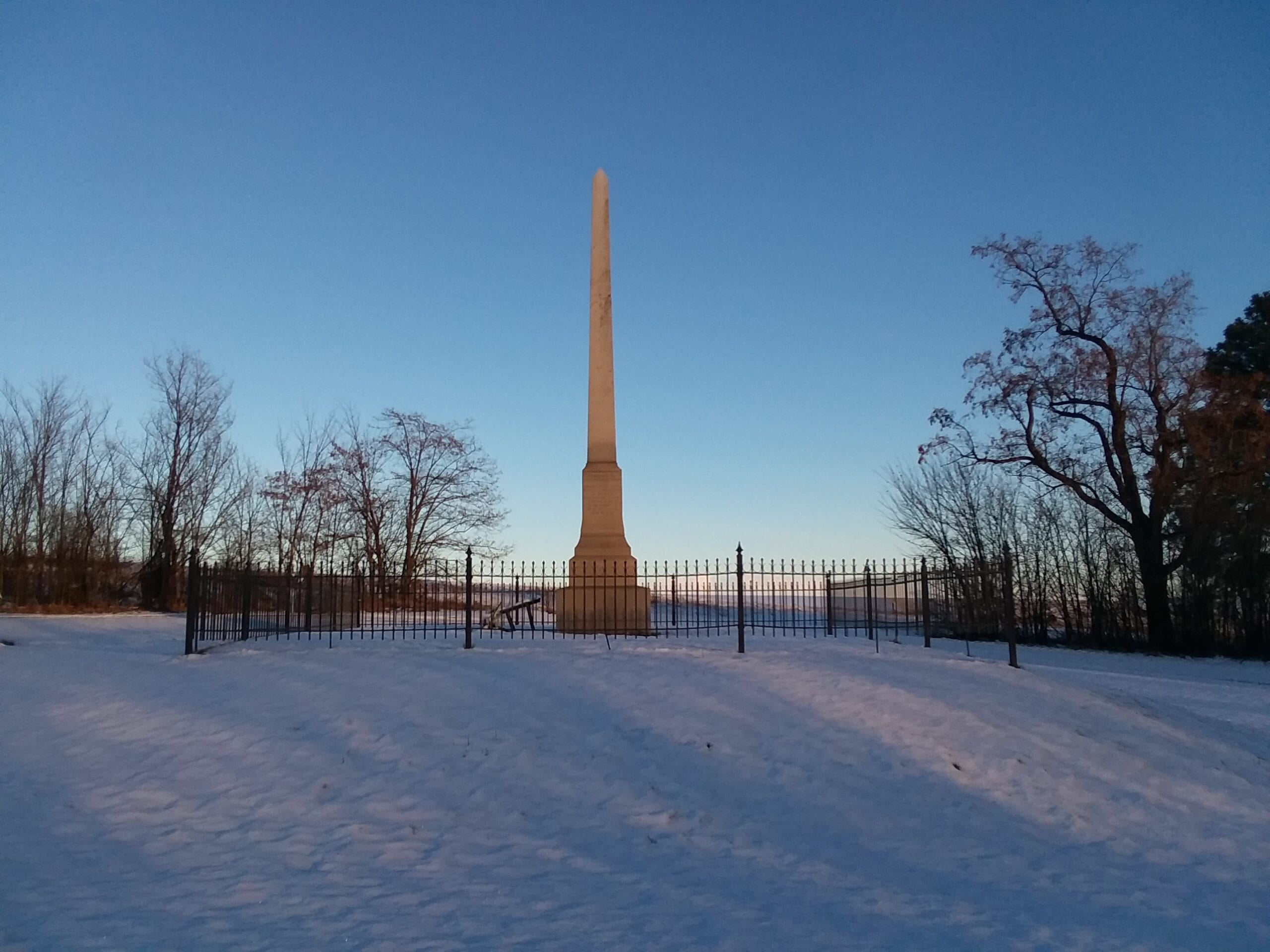
| Monument | Stone memorial marking the battle site. Interpretive panels describing the engagement from both perspectives |
| Steptoe Butte | Nearby — the prominent quartzite butte that Steptoe reportedly used as an observation point. Now a state park with panoramic views of the Palouse |
| Palouse Landscape | The surrounding Palouse is one of the most photographed agricultural landscapes in America — rolling wheat fields that recall the open prairie of 1858 |
Best Time to Visit
| Season | Best For |
|---|---|
| Spring (May–Jun) | 🌾 Battle anniversary is May 17. Green Palouse hills. Wildflowers. Best photography |
| Summer (Jul–Aug) | ☀️ Golden wheat fields. Long days. The landscape closest to what soldiers saw in 1858 |
| Fall (Sep–Oct) | Harvest season. Golden light on the Palouse. Cool weather |
| Winter (Nov–Feb) | Cold and potentially snowy. The site is open but isolated |
Frequently Asked Questions
Why did the Army lose?
Overconfidence and underequipment. Steptoe’s 159 men carried only 40 rounds of ammunition each. They were outnumbered 4-to-1 by warriors who knew every hill and ravine. When the ammunition ran low, Steptoe had no choice but to flee.
What happened to the buried howitzers?
They were recovered months later during Wright’s punitive campaign. The buried cannons became a symbol of the Army’s humiliation — and the reason Wright’s expedition was so merciless.
What was Wright’s punitive campaign?
The Army’s revenge was savage. Colonel Wright defeated Native forces at the Battle of Four Lakes, executed prisoners without trial, and ordered the slaughter of 800 captured horses to destroy the tribes’ mobility. Within two years, the inland tribes were confined to reservations.
Nearby parks: If you have extra time, Steptoe Butte State Park is a short drive away.
⚔️ The Battle the Army Buried — Along With Its Cannons
159 soldiers. 700 warriors. A nighttime retreat. Buried howitzers. The defeat at Steptoe Battlefield triggered a campaign that broke the inland tribes forever.
Wildlife & Nature
Steptoe Battlefield State Park Heritage Site — in Whitman County — preserves the site of the 1858 Battle of Pine Creek (Battle of Steptoe), where Colonel Edward Steptoe’s US Army column was defeated by a coalition of Coeur d’Alene, Spokane, and Palouse warriors during the Spokane-Coeur d’Alene-Palouse War. The site marks a significant Native American military victory. Red-tailed hawks and western meadowlarks inhabit the surrounding Palouse grassland.
Nearby Attractions
Steptoe Butte State Park — 10 miles north — offers panoramic Palouse views. Colfax — 10 miles south — is the Whitman County seat. Pullman — 20 miles south — has Washington State University. Kamiak Butte — 15 miles south — is a National Natural Landmark.

🐾 Dogs & Pets at Steptoe Battlefield State Park Heritage Site
- Pets allowed? statewide rule
- Pets are allowed in most Washington state parks but must be under physical control on a leash at all times.
- Leash rule statewide rule
- 8 ft maximum leash required; pets must be under physical control
- Beaches & swim areas statewide rule
- Pets are not permitted on designated swim beaches
- Cabins & lodging statewide rule
- Pets are not allowed inside vacation houses but are permitted in designated pet-friendly cabins and yurts (e.g. Grayland Beach, Seaquest, Ike Kinswa — Cape Disappointment does NOT allow pets in its yurts), typically up to two pets, with a pet fee
- Pet fees statewide rule
- No day-use pet fee; $15 per night pet fee in pet-friendly cabins/yurts
- Statewide exceptions statewide rule
- Director-designated off-leash areas are exempt from the leash rule and are conspicuously posted
Are dogs allowed at Steptoe Battlefield State Park Heritage Site?
Pets are allowed in most Washington state parks but must be under physical control on a leash at all times. Individual parks can post stricter rules — check signage on arrival.
Rules verified July 2026 via parks.wa.gov. More: Washington state parks guide · Dog rules in all 50 states compared
Park Location
Plan your gear for Steptoe Battlefield State Park Heritage Site
From our editorial guides, matched to this park’s activities:
Top Tours & Activities in Washington
 from $95
 from $40
 from $599