

🌤 Weather at Talbot Wildlife Management Area by season
| Spring | Summer | Fall | Winter |
|---|---|---|---|
| 30–68 °F | 59–82 °F | 36–75 °F | 23–44 °F |
Each range runs from the coldest monthly average low to the warmest monthly average high in that season (1991-2020 climate normals), measured at New Haven Tweed Airport, 15 mi away, elevation 3 ft. Conditions at the park can differ from the station, especially where elevation differs — check a forecast before you go.

🏆 Coastal Habitat — Coastal wildlife habitat near Long Island Sound
Talbot Wildlife Management Area protects coastal habitat near Long Island Sound. The property provides hunting and wildlife viewing in Connecticut’s shoreline zone — one of the most heavily developed coastlines in New England, making each protected parcel increasingly valuable for wildlife.
Visitor Information
| Detail | Information |
|---|---|
| Location | CT shoreline near Long Island Sound |
| Entry Fee | Free |
| Habitat | Coastal, near LI Sound |
About Talbot WMA
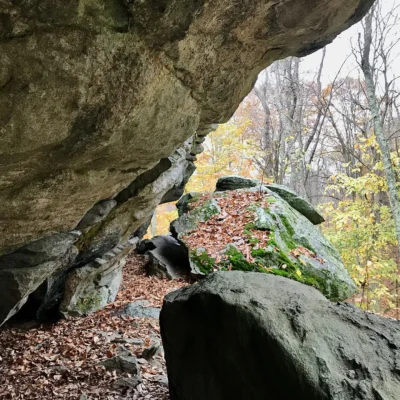
Talbot Wildlife Management Area provides forest habitat for hunting and wildlife viewing in Connecticut. The mixed hardwood forest supports the state’s primary game species while also providing habitat for non-game wildlife including songbirds and small mammals.
Talbot Wildlife Management Area in Tolland County preserves mixed forest and wetland in the eastern Connecticut uplands. The area supports Connecticut’s recovering black bear population — bears have expanded from northwestern Connecticut across the state, with over 8,000 bear sightings reported annually. The mixed forest of oak, maple, and birch provides the mast (acorns, beechnuts) that bears depend on for autumn fattening.
Things to Do
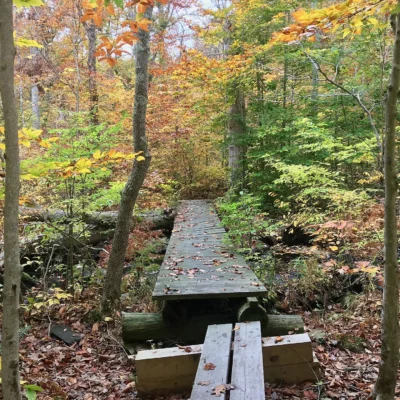
Hunting (deer, turkey, small game), birdwatching, and nature walks through mixed forest. A quiet spot for wildlife observation.
Hunting (deer, turkey, bear — seasonal), birdwatching, hiking, and wildlife observation in the recovering forests of eastern Connecticut.
Insider Tips
Quiet woodland: Talbot is a small, peaceful WMA perfect for a morning nature walk. Pro tip: Look for red efts — the bright orange juvenile stage of the red-spotted newt — on the forest floor after rain. Stone wall tip: Where stone walls meet water creates the best salamander habitat — carefully lift rocks and replace them.
Best Time to Visit
Spring: Salamander season after warm rains. Summer: Shaded walking when suburban heat is oppressive. Fall: Quiet foliage viewing away from crowds. Winter: Animal tracks tell the story of nighttime forest activity.
Frequently Asked Questions
What are red efts?
Red efts are the bright orange juvenile land stage of the eastern red-spotted newt. They spend 2-3 years wandering forest floors before returning to water as olive-green adults. Their bright color warns predators of toxic skin secretions.
Wildlife & Nature
Talbot WMA provides managed grassland and shrubland habitat — increasingly rare landscape types in forested Connecticut. The management area demonstrates how conservation and hunting can work together — habitat improvements funded by hunting license fees benefit both game species (wild turkey, deer, woodcock) and non-game species (songbirds, butterflies, amphibians). The shrubby habitat supports brown thrashers — large, russet-colored mimics that sing complex songs from exposed perches. Their repertoire includes 1,100+ song types — more than any other North American bird. Prairie warblers — despite their name, these birds inhabit young, scrubby habitat rather than prairies — sing a buzzy ascending song from the young tree tops.
Nearby Attractions
The area provides access to Connecticut’s diverse outdoor and cultural offerings. Nathan Hale State Forest — named for Connecticut’s state hero — offers forest hiking in the Quiet Corner. Willimantic’s Frog Bridge and Windham Textile Museum celebrate the town’s quirky and industrial heritage. UConn in Storrs features the Benton Museum of Art and the Dairy Bar. Eastern Connecticut State University in Willimantic has an arboretum and galleries. Coventry — Nathan Hale’s hometown — features his 1776 homestead and weekly farmers market.
Nearby state parks: If you have extra time, Hammonasset Beach State Park is a short drive away, and Plum Bank Wildlife Management Area is a short drive away.

🐾 Dogs & Pets at Talbot Wildlife Management Area
- Pets allowed? statewide rule
- Pets on a leash are permitted in most Connecticut state parks and forests, but not in buildings, swimming areas or state park campgrounds.
- Leash rule statewide rule
- Pets must be leashed and under control at all times; in state forest camping areas the leash may be no longer than 7 feet.
- Beaches & swim areas statewide rule
- Pets are prohibited in swimming areas; Sherwood Island and Squantz Pond State Parks ban pets entirely April 15 - September 30.
- Cabins & lodging statewide rule
- Pets are banned from all state park campgrounds; they are allowed only in the American Legion, Pachaug and Salt Rock state forest campgrounds, but not on rustic cabin sites.
- Statewide exceptions statewide rule
- Pets prohibited year-round at Dinosaur State Park and in the formal gardens and beach at Harkness Memorial State Park.
Are dogs allowed at Talbot Wildlife Management Area?
Pets on a leash are permitted in most Connecticut state parks and forests, but not in buildings, swimming areas or state park campgrounds. Individual parks can post stricter rules — check signage on arrival.
Rules verified July 2026 via portal.ct.gov. More: Connecticut state parks guide · Dog rules in all 50 states compared
Park Location
Plan your gear for Talbot Wildlife Management Area
From our editorial guides, matched to this park’s activities:



Top Tours & Activities Near New Haven
 from $28
 from $10
 from $26