
🌤 Weather at Webster State Park by season
| Spring | Summer | Fall | Winter |
|---|---|---|---|
| 27–77 °F | 59–94 °F | 27–84 °F | 16–47 °F |
Each range runs from the coldest monthly average low to the warmest monthly average high in that season (1991-2020 climate normals), measured at Webster Dam, 8 mi away, elevation 1,863 ft. Conditions at the park can differ from the station, especially where elevation differs — check a forecast before you go.

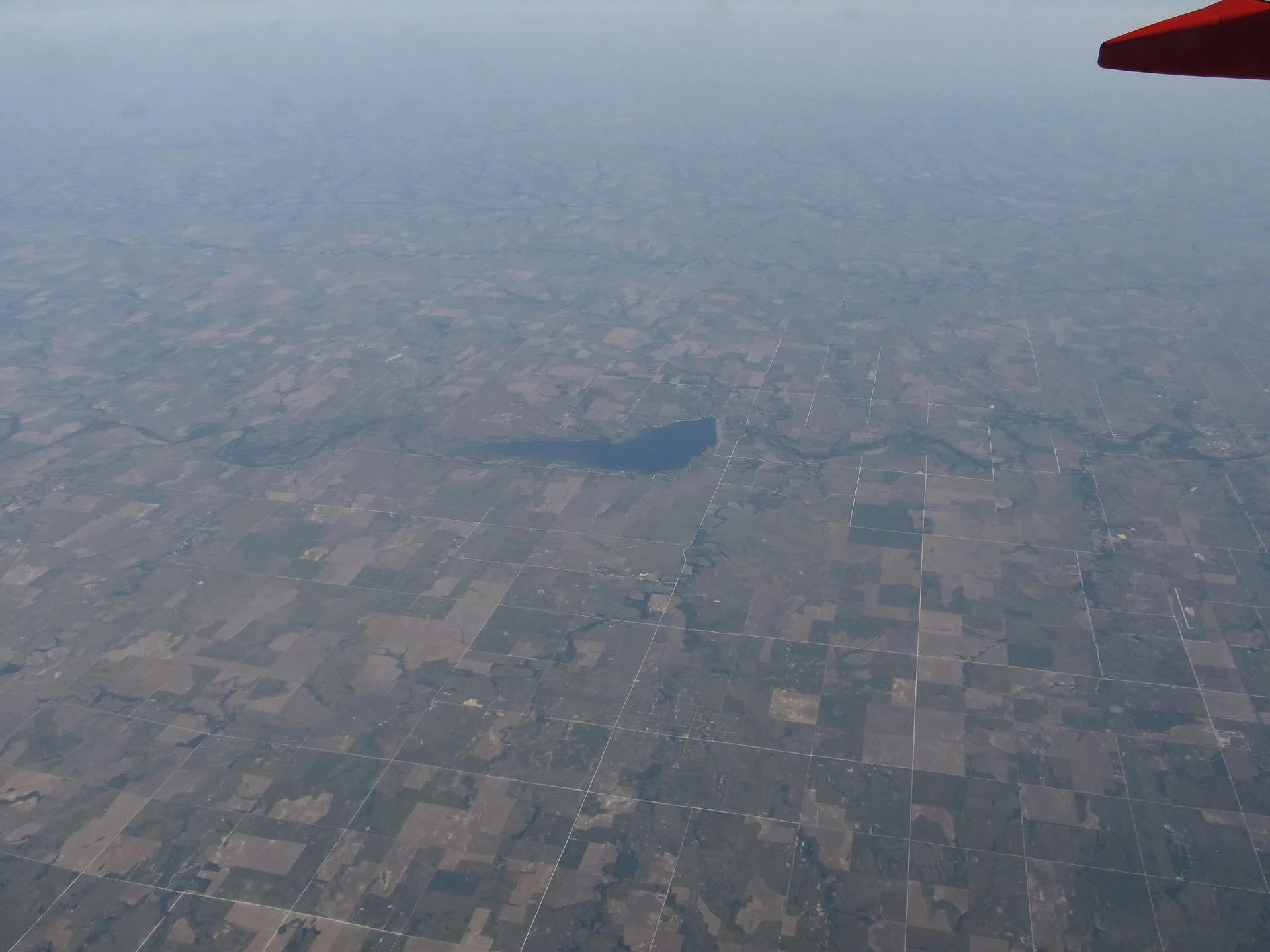
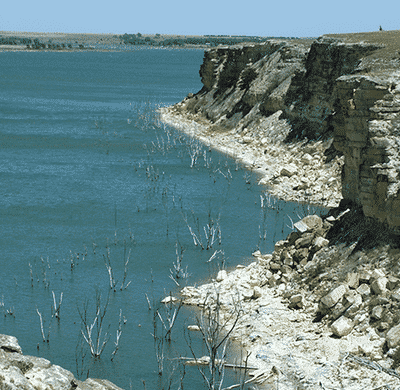
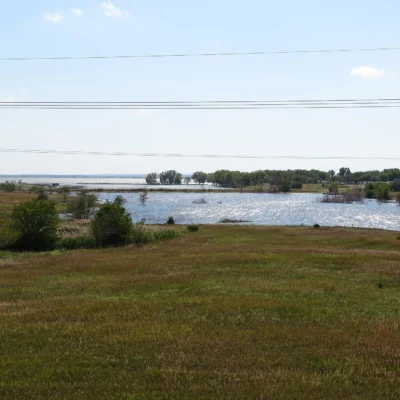
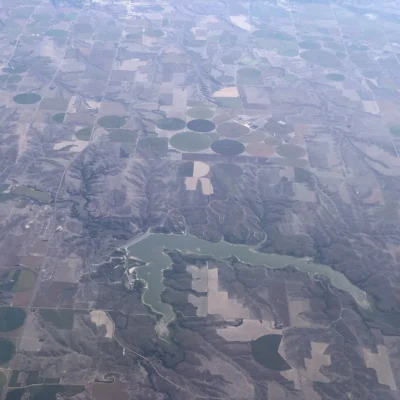
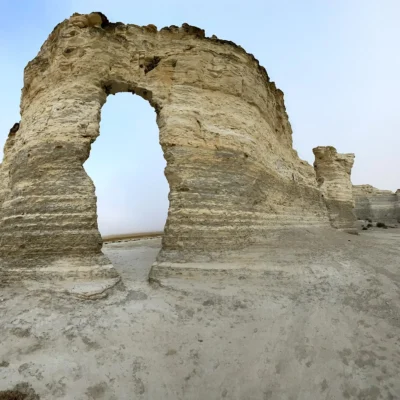
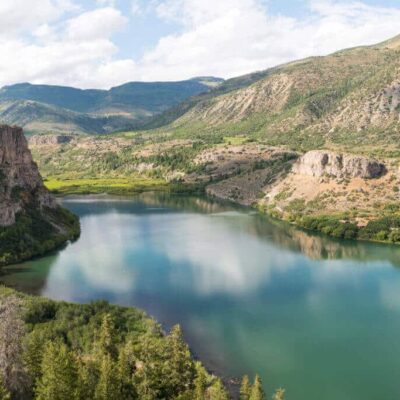
🏆 Smoky Hills Reservoir — 3,780-acre Webster Reservoir on the South Fork Solomon River — one of the best walleye fisheries in western Kansas! The surrounding shortgrass prairie is home to pronghorn antelope, mule deer, and wild turkeys. The Smoky Hills region features distinctive chalk formations carved by wind and water.
Visitor Information
| Detail | Info |
|---|---|
| Location | Stockton, KS |
| Lake | 3,780-acre Webster Reservoir! |
About Webster
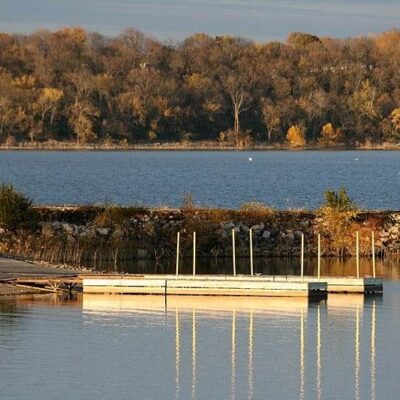
Webster State Park in Rooks County provides recreation on Webster Reservoir — a 3,780-acre lake on the South Fork Solomon River in northwestern Kansas. The reservoir was built in 1956 for irrigation and flood control in the arid High Plains, where annual rainfall drops below 22 inches. The park’s grasslands support a rich population of ring-necked pheasants, white-tailed deer, and wild turkeys.
Plan Your Visit
The park offers 111 campsites, boat ramps, swimming beach, and excellent walleye and wipers fishing. The surrounding Solomon River valley was the homeland of the Pawnee people before they were forced to Indian Territory in the 1870s. Norton (20 miles northwest) has the “They Also Ran” gallery — portraits of losing presidential candidates. Open year-round; summer weekends require reservations.
Nature & Wildlife
Webster Reservoir is one of the top walleye fisheries in western Kansas — the state stocks fingerlings annually. The reservoir also supports wipers (white bass x striped bass hybrid), channel catfish, and crappie. The surrounding High Plains grasslands provide habitat for ring-necked pheasants, mule deer, and coyotes. Migrating sandhill cranes pass through in October and March — flocks of 10,000+ birds follow the Solomon River valley corridor.
Insider Tips
Western Kansas: Webster sits in the semi-arid High Plains — where Kansas receives only 18-20 inches of rain annually. Pro tip: The Ogallala Aquifer underlies western Kansas — irrigation from this ancient water source transformed the region into one of the world’s most productive agricultural areas. Depletion: The Ogallala is being pumped faster than it recharges — threatening the entire agricultural economy.
Frequently Asked Questions
Is the Ogallala Aquifer running out?
The Ogallala Aquifer — one of the world’s largest underground water sources — took millions of years to fill but is being depleted in decades. In western Kansas, water levels have dropped 100+ feet in some areas. At current rates, significant portions will be exhausted within 25-50 years. The aquifer supports $20+ billion in annual agricultural production across 8 states. Its depletion threatens America’s breadbasket — and there is no replacement water source.
Make it a road trip: Pair a visit with Prairie Dog Town State Park (within about an hour’s drive) or Prairie Dog State Park (within about an hour’s drive).

⛺ Camping at Webster State Park: Campgrounds & Cabins
| Campsites | Areas data by campground: Eagles Landing Campground (sites 1-20) 20 water/electric (reservable); Old Marina Campground (sites 49-51, Coyote Shelter) 3 water/electric (reservable); Old Marina Campground (sites 43-48) 6 water/electric (reservable); Old Marina Campground (sites 21-42) 1 water/sewer/electric + 21 water/electric (reservable); Hill Top Campground (sites 52-67) 16 water/electric (reservable); Lakeview Campground (sites 68-77) 10 water/electric (reservable); Rock Point Campground (sites 78-87) 10 water/electric (reservable); Goose Flat (sites 88-93) 6 water/electric (reservable); Old Town has camping available but no site count is published. |
|---|---|
| Cabins & Lodging | 2 modern cabins. Pintail Place: sleeps up to 6, small stovetop (no oven), small refrigerator/freezer, microwave (no coffee maker, pots, dishes or utensils provided), picnic table, grill, fire ring, modern bathroom with shower, AC/heat. Bluewing Bungalow: one-bedroom, sleeps up to 5, full-size bed plus futon, Murphy bed and futon in the living area, small stove with oven, refrigerator/freezer, microwave (no coffee maker, pots, dishes or utensils provided), picnic table, grill, fire ring, modern bathroom with shower, AC/heat. Both: bring your own bedding, towels and toiletries; no pets, no smoking. |
| Pets | Statewide KDWP rule: pets must be restrained by leash, chain or kennel no longer than 10 feet and are not allowed on swimming beaches or in buildings. No pets allowed in either Webster cabin. |
| Reservations | Book via the park office, 785-425-6775, or KSOutdoors.com/CampItKS.gov/ReserveAmerica.com. Vehicle permits required. General KDWP cancellation policy applies. |
| Special sites | Campfires must be contained in campfire rings. Quiet hours are from 11pm to 6am. |
Camping questions about Webster State Park
Can you camp at Webster State Park?
Areas data by campground: Eagles Landing Campground (sites 1-20) 20 water/electric (reservable); Old Marina Campground (sites 49-51, Coyote Shelter) 3 water/electric (reservable); Old Marina Campground (sites 43-48) 6 water/electric (reservable); Old Marina Campground (sites 21-42) 1 water/sewer/electric + 21 water/electric (reservable); Hill Top Campground (sites 52-67) 16 water/electric (reservable); Lakeview Campground (sites 68-77) 10 water/electric (reservable); Rock Point Campground (sites 78-87) 10 water/electric (reservable); Goose Flat (sites 88-93) 6 water/electric (reservable); Old Town has camping available but no site count is published.
How do you reserve a campsite at Webster State Park?
Book via the park office, 785-425-6775, or KSOutdoors.com/CampItKS.gov/ReserveAmerica.com. Vehicle permits required. General KDWP cancellation policy applies.
Are there cabins at Webster State Park?
2 modern cabins. Pintail Place: sleeps up to 6, small stovetop (no oven), small refrigerator/freezer, microwave (no coffee maker, pots, dishes or utensils provided), picnic table, grill, fire ring, modern bathroom with shower, AC/heat. Bluewing Bungalow: one-bedroom, sleeps up to 5, full-size bed plus futon, Murphy bed and futon in the living area, small stove with oven, refrigerator/freezer, microwave (no coffee maker, pots, dishes or utensils provided), picnic table, grill, fire ring, modern bathroom with shower, AC/heat. Both: bring your own bedding, towels and toiletries; no pets, no smoking.
Are pets allowed at the Webster State Park campground?
Statewide KDWP rule: pets must be restrained by leash, chain or kennel no longer than 10 feet and are not allowed on swimming beaches or in buildings. No pets allowed in either Webster cabin.
Source: ksoutdoors.gov (verified July 2026). Details change seasonally — confirm when booking.
🐾 Dogs & Pets at Webster State Park
- Pets allowed? statewide rule
- Pets are allowed in Kansas state parks, including trails and campgrounds, but must always be restrained by a camper, cage, hand-held leash, or tether no longer than 10 feet.
- Leash rule statewide rule
- Hand-held leash or tethered chain no longer than 10 feet (or confined in camper/cage)
- Beaches & swim areas statewide rule
- Pets are not allowed on swimming beaches or in buoyed swimming areas, or in public buildings
- Cabins & lodging statewide rule
- Pets are not allowed inside cabins except in designated pet-friendly cabins (e.g. at Lovewell, Eisenhower, El Dorado, Clinton) with a $50 pet fee; at other cabins pets must stay outside
- Pet fees statewide rule
- No day-use pet fee; $50 pet fee for designated pet-friendly cabins
- Statewide exceptions statewide rule
- Dogs participating in authorized activities (such as hunting) or assisting the visually or hearing impaired are exempt
Are dogs allowed at Webster State Park?
Pets are allowed in Kansas state parks, including trails and campgrounds, but must always be restrained by a camper, cage, hand-held leash, or tether no longer than 10 feet. Individual parks can post stricter rules — check signage on arrival.
Rules verified July 2026 via ksoutdoors.gov. More: Kansas state parks guide · Dog rules in all 50 states compared
Park Location
Plan your gear for Webster State Park
From our editorial guides, matched to this park’s activities:
Top Tours & Activities Near Kansas
 from $56
 from $82
 from $20