🌤 Weather at West Pollock Recreation Area by season
| Spring | Summer | Fall | Winter |
|---|---|---|---|
| 19–70 °F | 54–85 °F | 21–75 °F | 3–29 °F |
Each range runs from the coldest monthly average low to the warmest monthly average high in that season (1991-2020 climate normals), measured at Pollock, 2 mi away, elevation 1,639 ft. Conditions at the park can differ from the station, especially where elevation differs — check a forecast before you go.

🏆 Northern Oahe — Recreation area on the northern reaches of Lake Oahe — remote fishing and camping near the North Dakota border
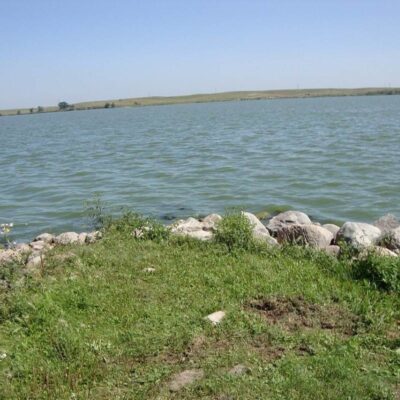
West Pollock Recreation Area provides access to the northern reaches of Lake Oahe near the town of Pollock — close to the North Dakota border. This section of Oahe is less developed and less visited than the southern reaches near Pierre, offering a more remote experience. The area lies within the historic territory of the Arikara Nation — earth-lodge-dwelling farmers who lived along the Missouri for centuries before smallpox epidemics in 1780–1781 devastated their population (estimated 80% mortality). The Arikara, along with the Mandan and Hidatsa, now form the Three Affiliated Tribes at Fort Berthold.
Visitor Information
| Detail | Information |
|---|---|
| Location | Campbell County, SD (near ND border) |
| Entry Fee | SD Park Entrance License required |
| Lake | Northern Oahe — remote! |
| History | Arikara territory — 80% smallpox loss! |
About West Pollock
West Pollock Recreation Area in Campbell County provides Missouri River recreation on Lake Oahe near the North Dakota border — the northernmost recreation area in South Dakota’s Missouri River corridor. The area offers fishing and camping in the remote northern prairie where South Dakota meets North Dakota.
Things to Do
Fishing for walleye and northern pike on Lake Oahe, camping, boating, and experiencing the vast northern Great Plains landscape at the top of South Dakota.
Insider Tips
Lake Oahe: West Pollock sits on Lake Oahe — at 231 miles long, one of the largest man-made lakes in the US. Pro tip: Oahe Dam (1962) flooded 160,000 acres of Standing Rock and Cheyenne River reservation land — destroying timber, bottomland, and communities. Treaty violation: The dam’s construction is considered one of the most devastating acts against Native Americans in the 20th century.
Best Time to Visit
Summer: Fishing and boating on vast Oahe. Fall: Less crowded — excellent fishing. Spring: Walleye run. Winter: Ice fishing on the reservoir.
Frequently Asked Questions
How did the dams affect Native Americans?
The Missouri River dams (1940s-1960s) flooded 550+ square miles of reservation land — the most fertile, timbered bottomlands where Native communities had lived for centuries. Over 900 Native American families were forcibly relocated. The Pick-Sloan Plan, which authorized the dams, was described as “one of the most destructive acts perpetrated on any people by the United States.” The tribes received minimal compensation for their losses.
Nearby state parks: If you have extra time, Swan Creek Recreation Area is within about an hour’s drive, and Lake Hiddenwood Recreation Area is within about an hour’s drive.
Wildlife & Nature
West Pollock RA — on Lake Oahe in north-central South Dakota. The area’s prairie, lake, and river breaks support bald eagles, mule deer, and ring-necked pheasants. Walleye fishing is excellent.
Nearby Attractions
Pollock — adjacent. Campbell County — surrounding. Standing Rock Reservation — nearby.

⛺ Camping at West Pollock Recreation Area: Campgrounds & Cabins
| Campsites | 29 sites — 29 campsites, electrical, $30/night. Dump station, flush toilets and showers (may close Oct. 1-April 30); vault toilets remain open year-round. |
|---|---|
| Pets | Statewide SD GFP rule applies: April 1-Sept. 30 pets must be under immediate control on a leash no longer than 10 ft; Oct. 1-March 31 leash not mandatory but pet must be under immediate control. Pets (except service animals) prohibited on swimming beaches and in park buildings. |
| Reservations | Book online through the South Dakota GFP reservation system or call 1.800.710.2267. Reservation window opens 90 days before arrival. South Dakota park entry license required per vehicle: residents $10/day or $40/year, nonresidents $15/day or $60/year. |
| Special sites | Boat ramp, fish cleaning station, playground, self-serve entrance kiosk. Popular base for walleye fishing. Located on the Missouri River near Pollock, on the Lewis and Clark Trail; recreation area operated by South Dakota Game, Fish and Parks. |
| Season notes | Open year-round. Between Oct. 1 and April 30, showers, flush toilets and other water systems may be closed; vault toilets remain open year-round. |
Camping questions about West Pollock Recreation Area
Can you camp at West Pollock Recreation Area?
Yes. West Pollock Recreation Area has 29 campsites. 29 campsites, electrical, $30/night. Dump station, flush toilets and showers (may close Oct. 1-April 30); vault toilets remain open year-round.
How do you reserve a campsite at West Pollock Recreation Area?
Book online through the South Dakota GFP reservation system or call 1.800.710.2267. Reservation window opens 90 days before arrival. South Dakota park entry license required per vehicle: residents $10/day or $40/year, nonresidents $15/day or $60/year.
Are pets allowed at the West Pollock Recreation Area campground?
Statewide SD GFP rule applies: April 1-Sept. 30 pets must be under immediate control on a leash no longer than 10 ft; Oct. 1-March 31 leash not mandatory but pet must be under immediate control. Pets (except service animals) prohibited on swimming beaches and in park buildings.
Source: gfp.sd.gov (verified July 2026). Details change seasonally — confirm when booking.
🐾 Dogs & Pets at West Pollock Recreation Area
- Pets allowed? statewide rule
- Pets are allowed in South Dakota state parks and recreation areas, including campgrounds and most trails, but not in park buildings or on designated swim beaches.
- Leash rule statewide rule
- April 1 - September 30: leash no longer than 10 ft required at all times; October 1 - March 31: leash optional but pets must be under immediate control
- Beaches & swim areas statewide rule
- Pets (except service animals) are not allowed on designated swimming beaches
- Cabins & lodging statewide rule
- Dogs and cats allowed in pet-designated lodges, cabins and suites (roughly 40 parks/recreation areas have designated pet-friendly cabins) with payment of a pet accommodation fee
- Pet fees statewide rule
- No day-use or camping pet fee; a pet accommodation fee is charged for pet-designated lodging
- Statewide exceptions statewide rule
- Pets prohibited in all park buildings and on the Summit Trail at Bear Butte State Park
Are dogs allowed at West Pollock Recreation Area?
Pets are allowed in South Dakota state parks and recreation areas, including campgrounds and most trails, but not in park buildings or on designated swim beaches. Individual parks can post stricter rules — check signage on arrival.
Rules verified July 2026 via gfp.sd.gov. More: South Dakota state parks guide · Dog rules in all 50 states compared
Park Location
Plan your gear for West Pollock Recreation Area
From our editorial guides, matched to this park’s activities: