

State parks are America's best-kept secret for hiking. While national parks grab the headlines — and the crowds — state parks offer equally stunning trails with fewer visitors, lower fees, and often closer to home. From coastal cliff walks in Oregon to alpine summit scrambles in Alaska, the diversity of hiking in state parks is genuinely unmatched.
With over 10,000 state parks across all 50 states, there's a perfect hike for every skill level. Whether you're chasing waterfalls in the Appalachians, navigating slot canyons in the desert Southwest, or trekking through old-growth forests on the Pacific Coast — our comprehensive guide helps you find it. Use our interactive filter below to search by state, sort by ratings, and discover your next trail adventure.
Explore State Parks for Hiking
Filter hiking state parks by state, search by name, or sort by visitor ratings. Click any park for detailed trail descriptions, difficulty levels, and insider tips.
 Virginia ♿
 Grayson Highlands State Park
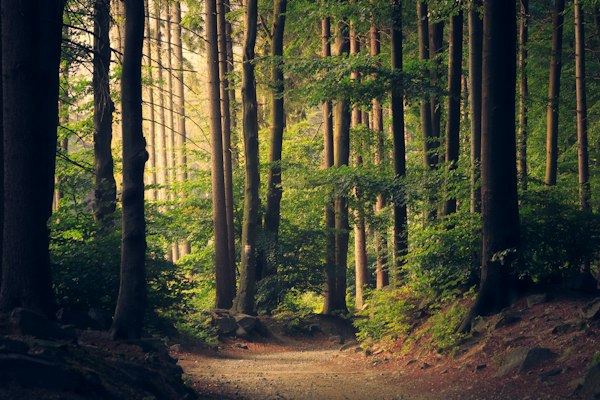 Tennessee
 Savage Gulf State Natural Area
 South Carolina ♿
 Hunting Island State Park
Massachusetts Monadnock State Park
 Michigan ♿
 Mackinac Island State Park
 Michigan ♿
 Custer State Park
Oregon ♿ Shore Acres State Park
California Mount Diablo State Park
 Minnesota ♿
 Itasca State Park
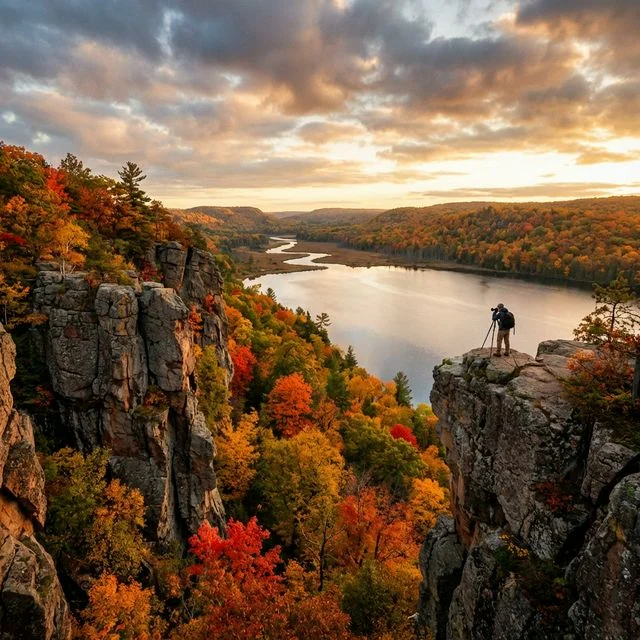 Wisconsin
 Exploring Devil’s Lake State Park: Wisconsin’s Outdoor Oasis
 Tennessee
 Frozen Head State Park
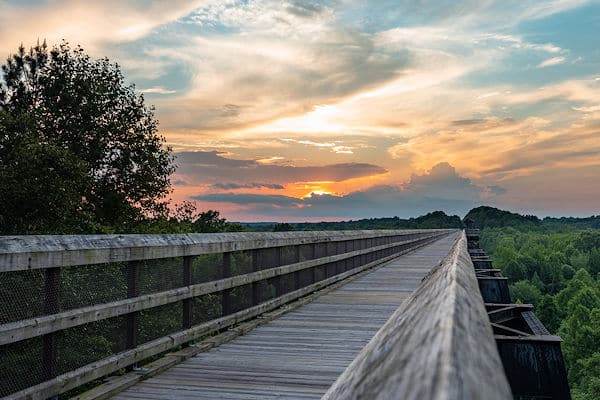 Virginia
 High Bridge Trail State Park
Showing 12 of 304 parks
Top 15 State Parks Every Hiker Must Visit
After analyzing trail networks, scenery, visitor reviews, and overall hiking experience across thousands of state parks, these 15 consistently rank among the absolute best in America. Each one offers a signature trail that alone justifies the trip.
| Park | State | Signature Trail | Distance | Difficulty | Best Season |
|---|---|---|---|---|---|
| Watkins Glen SP | New York | Gorge Trail | 2.0 mi | Moderate | May – Oct |
| Silver Falls SP | Oregon | Trail of Ten Falls | 7.2 mi | Moderate | Apr – Nov |
| Palo Duro Canyon SP | Texas | Lighthouse Trail | 5.8 mi | Moderate | Oct – Apr |
| Hocking Hills SP | Ohio | Grandma Gatewood Trail | 6.0 mi | Moderate | Apr – Nov |
| Devil's Lake SP | Wisconsin | East Bluff Trail | 3.6 mi | Strenuous | May – Oct |
| Letchworth SP | New York | Gorge Trail | 7.0 mi | Moderate | May – Oct |
| Starved Rock SP | Illinois | St. Louis Canyon Trail | 2.6 mi | Easy | Mar – Nov |
| Valley of Fire SP | Nevada | Fire Wave Trail | 1.5 mi | Easy | Oct – Apr |
| Tallulah Gorge SP | Georgia | Gorge Floor Trail | 3.0 mi | Strenuous | Apr – Nov |
| Smith Rock SP | Oregon | Misery Ridge + River Trail | 3.5 mi | Strenuous | Apr – Oct |
| Ricketts Glen SP | Pennsylvania | Falls Trail | 7.2 mi | Strenuous | May – Oct |
| Dead Horse Point SP | Utah | Rim Overlook Trail | 4.0 mi | Easy | Mar – Nov |
| Custer SP | South Dakota | Sunday Gulch Trail | 3.8 mi | Moderate | May – Oct |
| Chugach SP | Alaska | Flattop Mountain Trail | 3.3 mi | Moderate | Jun – Sep |
| Baxter SP | Maine | Knife Edge to Katahdin | 10.4 mi | Strenuous | Jun – Oct |
What Makes These Parks Stand Out
Watkins Glen State Park in New York's Finger Lakes region packs 19 waterfalls into just two miles of trail — more cascades per mile than nearly any other hike in America. The Gorge Trail winds behind curtains of water, through stone tunnels, and across historic stone bridges. Arrive before 9 AM to beat the crowds that pack this trail from June through October.
Silver Falls State Park is Oregon's crown jewel. The Trail of Ten Falls is a 7.2-mile loop where you walk behind several of the waterfalls, including the 177-foot South Falls. It's one of the most photographed trails in the Pacific Northwest and lives up to every bit of its reputation.
Palo Duro Canyon State Park in the Texas Panhandle is the second-largest canyon in the United States. The Lighthouse Trail leads to the park's iconic rock spire through layers of red, orange, and white sedimentary rock. It offers Grand Canyon–level scenery without the Grand Canyon–level crowds.
Hocking Hills State Park in southeastern Ohio is a wonderland of recess caves, waterfalls, and sandstone gorges. The Grandma Gatewood Trail connects Old Man's Cave to Cedar Falls and the massive Ash Cave — a 700-foot-wide rock shelter that has to be seen to be believed.
Devil's Lake State Park is Wisconsin's most popular state park for good reason. The quartzite bluffs rise 500 feet above a glacier-carved lake, and trails like Devil's Doorway offer rock formations that rival anything in the Southwest — right in the heart of the Midwest.
Best Hiking State Parks by Region
America's hiking state parks span every climate zone and terrain type. Here's where to find the best trails in each region.
Northeast
The Northeast packs dramatic gorges, old-growth forests, and Appalachian Trail sections into surprisingly compact parks. Watkins Glen and Letchworth (often called the "Grand Canyon of the East") are New York icons. Pennsylvania's Ricketts Glen drops through 21 named waterfalls on the Falls Trail. In Maine, Baxter State Park offers 215 miles of trails, including the northern terminus of the Appalachian Trail at Mount Katahdin — the first place in the U.S. to see the sunrise.
Southeast
Don't overlook the South — its state parks deliver world-class hiking in subtropical and Appalachian settings. Georgia's Tallulah Gorge plunges nearly 1,000 feet deep, requiring a permit and descending 540 stairs to reach the gorge floor and Hurricane Falls. Ohio's Hocking Hills features photogenic recess caves and the massive Ash Cave amphitheater. South Carolina's Jones Gap connects to Caesars Head via trails through some of the most biodiverse forest in the eastern United States.
Midwest
The Midwest surprises hikers with dramatic bluffs, sandstone canyons, and Great Lakes scenery. Devil's Lake in Wisconsin dominates the region with its quartzite cliffs and 29 miles of trails. Illinois' Starved Rock features 18 sandstone canyons carved by glacial meltwater, each hiding seasonal waterfalls. On Lake Superior's North Shore, Minnesota's Tettegouche offers 23 miles of trails with panoramic views of the largest freshwater lake in the world.
Southwest
Desert state parks offer year-round hiking through otherworldly landscapes of red rock, slot canyons, and ancient petroglyphs. Nevada's Valley of Fire is the standout — its Fire Wave Trail leads to swirled formations of red sandstone that look like frozen flames. Arizona's Lost Dutchman sits at the base of the Superstition Mountains, where the challenging Siphon Draw Trail climbs to the Flatiron with 2,800 feet of elevation gain. Texas' Palo Duro Canyon offers 30 miles of trails through the second-largest canyon system in the country.
West Coast
From temperate rainforests to sun-drenched coastal bluffs, West Coast state parks deliver extraordinary variety. Oregon's Silver Falls is the undisputed highlight with its Trail of Ten Falls. Smith Rock, also in Oregon, features dramatic 600-foot volcanic cliffs above the Crooked River — world-famous for climbing but equally stunning for hikers. California's Anza-Borrego Desert State Park, at 585,930 acres, is the state's largest park, with wildflower super-blooms that draw thousands every spring.
Mountain West
High-altitude state parks in the Mountain West rival their national park neighbors. Utah's Dead Horse Point offers views of the Colorado River 2,000 feet below that arguably surpass those at Grand Canyon's South Rim. South Dakota's Custer State Park places you in the heart of the Black Hills with wildlife loops where free-roaming bison cross your path. Virginia's Grayson Highlands combines Appalachian Trail access, wild ponies, and alpine meadows near Virginia's highest point — Mount Rogers (5,729 ft).
Alaska & Hawaii
The 49th and 50th states offer state park hiking that's genuinely world-class. Chugach State Park in Alaska encompasses nearly 500,000 acres of glaciers, alpine lakes, and subarctic wilderness — all accessible from Anchorage. The Flattop Mountain Trail is the most-climbed peak in Alaska. Hawaii's Waimea Canyon State Park on Kauai — the "Grand Canyon of the Pacific" — features vibrant cliff faces dropping 3,600 feet deep with trails overlooking misty valleys and the Na Pali Coast.
Choosing the Right Trail for Your Level
One of the best things about state parks is they cater to every fitness level. Here's how to match your experience to the right trail.
| Level | Trail Length | Elevation Gain | Surface | Best Parks |
|---|---|---|---|---|
| Beginner | Under 3 miles | Under 200 ft | Paved or gravel | Starved Rock, Valley of Fire, Dead Horse Point |
| Intermediate | 3-8 miles | 200-1,500 ft | Dirt, some rocks | Silver Falls, Hocking Hills, Custer, Palo Duro |
| Advanced | 8+ miles | 1,500+ ft | Rocky, technical | Baxter, Chugach, Ricketts Glen, Devil's Lake |
| Backpacking | Multi-day | Varies | Wilderness | Baxter (AT), Chugach, Porcupine Mountains |
For Beginners
Look for parks with well-marked loop trails under 3 miles on maintained surfaces. Many state parks offer interpretive nature trails with educational signage — perfect for families or those new to hiking. Parks with visitor centers typically provide printed trail maps and ranger-led walks. Starved Rock, Valley of Fire, and Dead Horse Point all offer iconic scenery on trails that beginners can comfortably handle.
For Intermediate Hikers
Seek parks with 4–8 mile trails featuring moderate elevation gain and natural-surface paths. State parks with trail networks let you combine shorter routes for a full day of hiking. The Trail of Ten Falls at Silver Falls and the Grandma Gatewood Trail at Hocking Hills are perfect intermediate challenges — long enough to feel accomplished, with stunning payoffs at every turn.
For Advanced Hikers & Backpackers
State parks with backcountry trails, summit routes, and technical terrain provide serious challenges. The Knife Edge at Baxter State Park is one of the most exposed ridgeline walks in the eastern U.S. — not for the faint of heart. Some state parks connect to larger trail systems: the Appalachian Trail passes through multiple state parks, as do many state-level long-distance trails like Tennessee's 300-mile Cumberland Trail.
Best Times to Hike State Parks
Timing can make or break a state park hiking trip. Here's what each season offers — and what to watch out for.
| Season | Best For | Pros | Cons | Top Picks |
|---|---|---|---|---|
| Spring (Mar–May) | Waterfalls, wildflowers | Peak water flow, blooming trails, moderate temps | Muddy trails, ticks, unpredictable weather | Ricketts Glen, Anza-Borrego, Tallulah Gorge |
| Summer (Jun–Aug) | High-altitude, Alaska | Longest days, all trails open, best weather at elevation | Extreme heat at low elevation, peak crowds | Chugach, Baxter, Custer, Grayson Highlands |
| Fall (Sep–Nov) | Foliage, canyon hiking | Cool air, thinning crowds, spectacular colors | Shorter days, some facilities close | Letchworth, Devil's Lake, Hocking Hills, Watkins Glen |
| Winter (Dec–Feb) | Desert parks, solitude | No crowds, unique frozen scenery, desert is mild | Ice/snow, shorter days, limited facilities | Valley of Fire, Palo Duro, Lost Dutchman |
What It Costs: State Park Hiking Budget Guide
Hiking in state parks is one of the most affordable outdoor adventures in America. Most state parks charge only a vehicle entry fee, and many states offer annual passes that pay for themselves in 2-3 visits.
| Expense | Day Hike | Weekend Trip | Week-Long Trip |
|---|---|---|---|
| Park Entry | $5 – $15/vehicle | $10 – $30 | $25 – $75 (annual pass) |
| Camping | N/A | $15 – $45/night | $75 – $225 |
| Gas/Travel | $10 – $30 | $30 – $80 | $80 – $200 |
| Food | Pack your own | $30 – $60 | $100 – $200 |
| Estimated Total | $15 – $45 | $85 – $215 | $280 – $700 |
Money-saving tips: Most states offer annual park passes ranging from $25 to $75 that cover unlimited entry to all state parks. Several states — including Illinois, Tennessee, and Missouri — don't charge entry fees at all. Pack your own lunch, bring a reusable water bottle, and download trail maps to your phone ahead of time to avoid buying paper maps on-site.
Hiking Safety Essentials
State park trails are generally well-maintained, but the wilderness doesn't care about your experience level. Follow these safety fundamentals on every hike.
The 10 Essentials
The Mountaineering 10 Essentials system has kept hikers safe for decades. Never hit the trail without these items — even on short hikes:
- Navigation: Map, compass, and/or GPS device (don't rely solely on your phone)
- Sun protection: Sunscreen, hat, and sunglasses
- Insulation: Extra layers for unexpected weather changes
- Illumination: Headlamp with extra batteries
- First aid: A basic kit with bandages, antiseptic, and blister treatment
- Fire: Waterproof matches or lighter
- Repair tools: Knife, duct tape, cordage
- Nutrition: Extra food beyond what you plan to eat
- Hydration: At least 1 liter per 2 hours of hiking; more in heat or at altitude
- Emergency shelter: Emergency bivy or space blanket
Trail Safety Hazards
| Hazard | Risk Level | Prevention |
|---|---|---|
| Dehydration | High (hot weather) | Carry 1L per 2 hours; start hydrated |
| Getting Lost | Moderate | Download offline maps; tell someone your plan |
| Wildlife Encounters | Low-Moderate | Make noise; never approach or feed animals |
| Slippery Trails | Moderate (rain/ice) | Wear proper footwear; use trekking poles |
| Lightning | High (exposed ridges) | Start early; descend if storms approach |
| Ticks & Insects | High (spring/summer) | Use DEET or permethrin; check body after hikes |
What to Pack for State Park Hiking
What you pack depends on the season and whether you're doing a day hike or an overnight trip. Here's a field-tested checklist for each scenario.
Day Hike Essentials
- Daypack (15-25 liters)
- Water bottles or hydration bladder (2+ liters)
- Trail snacks: energy bars, nuts, dried fruit
- Moisture-wicking layers and rain jacket
- Hiking shoes or boots (broken in!)
- Sunscreen, hat, sunglasses
- Phone with offline trail map downloaded
- First aid kit
- Headlamp (even for day hikes — you never know)
Overnight/Backpacking Additions
- Backpacking tent or hammock with rainfly
- Sleeping bag rated for the season
- Sleeping pad
- Camp stove, fuel, and lightweight cookware
- Water filter or purification tablets
- Bear canister (if required — check park rules)
- Trowel for Leave No Trace waste disposal
Photography Tips for State Park Trails
State parks offer some of the most photogenic landscapes in America — and unlike crowded national parks, you often have the trails to yourself. Here's how to capture unforgettable shots.
- Golden hour is everything: The first and last hour of sunlight transforms canyons and waterfalls. At Valley of Fire, the rocks literally glow red-orange at sunrise.
- Chase the waterfalls: Use a phone's long-exposure mode (or Night Mode pointed at waterfalls) to create silky water effects at parks like Ricketts Glen and Silver Falls.
- Include scale: Place a person on a distant trail or ledge to show the enormous scale of canyons at Palo Duro or Letchworth.
- Look down: Wildflowers, fungi, and trail textures make compelling macro shots on smartphone cameras.
- Protect your gear: A Ziploc bag weighs nothing and can save your phone from waterfall mist or sudden downpours.
Frequently Asked Questions
Are state park trails free to use?
Trail access is included with park entry fees, which range from free to $5–$15 per vehicle depending on the state. States like Illinois, Tennessee, and Missouri don't charge entry fees. In most states, an annual parks pass ($25–$75) covers unlimited entry to all state parks — an excellent value if you plan to visit more than twice.
What's the difference between a state park and a national park for hiking?
State parks are managed by individual state agencies and are typically smaller, less crowded, and cheaper than national parks. Many offer equally dramatic scenery — Palo Duro Canyon rivals the Grand Canyon, and Letchworth rivals anything in the eastern national park system. The trade-off: state parks may have fewer ranger-led programs and less infrastructure in remote areas.
Do I need hiking boots for state park trails?
For short, well-maintained trails under 3 miles on smooth surfaces, sturdy athletic shoes with good grip are often sufficient. For rocky, steep, or longer trails — especially at parks like Ricketts Glen or Devil's Lake — hiking boots with ankle support and waterproofing are strongly recommended.
Can I hike with children in state parks?
Absolutely. State parks are some of the best places to introduce kids to hiking. Many parks have stroller-friendly paved paths and themed nature trails designed for young explorers. A practical rule of thumb: children can hike roughly one mile per year of age per day. Parks like Starved Rock and Dead Horse Point offer short, dramatic trails perfect for families.
Do I need to make reservations to hike at state parks?
Most state parks do not require reservations for day hiking. However, some extremely popular parks like Watkins Glen have implemented timed-entry permits during peak season (June–September). Tallulah Gorge in Georgia requires a free permit for gorge floor access. Always check the park's official website before your visit — especially for summer weekends.
Are dogs allowed on hiking trails in state parks?
Policies vary by park and even by trail. Most state parks allow leashed dogs on at least some trails, but many restrict pets from gorge trails, swimming areas, and sensitive ecological zones. Notable exceptions: Baxter State Park in Maine does not allow dogs at all. Check our Dog-Friendly State Parks guide for parks that welcome your four-legged hiking partner.
What are the most underrated state parks for hiking?
Several stunning parks fly under the radar. Tettegouche State Park in Minnesota offers Lake Superior shoreline cliffs and inland waterfalls on 23 miles of trail. Grayson Highlands in Virginia has wild ponies, alpine meadows, and Appalachian Trail access. Cathedral Gorge in Nevada features slot canyons you can explore without the crowds of the more famous Southwest parks.
How do I find the best hiking state park near me?
Use our interactive park filter at the top of this page to filter by state and sort by Google rating. Every park in our database includes trail information, visitor reviews, and activity listings. You can also search for specific features like waterfalls, canyons, or mountain trails to match your hiking preferences.
🥾 Ready to hit the trail? Use our interactive filter above to search over 2,400 hiking state parks by state, ratings, and more. Every park links to a detailed guide with trail descriptions, tips, and visitor reviews. Your next epic hike is waiting.
