Cacapon Resort State Park
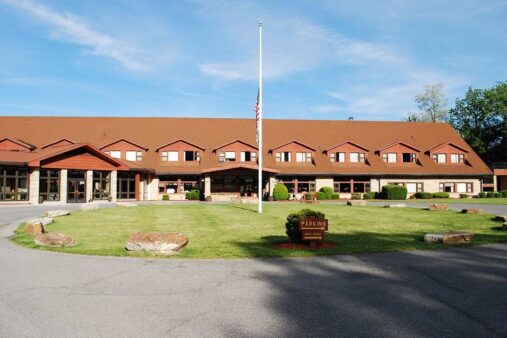
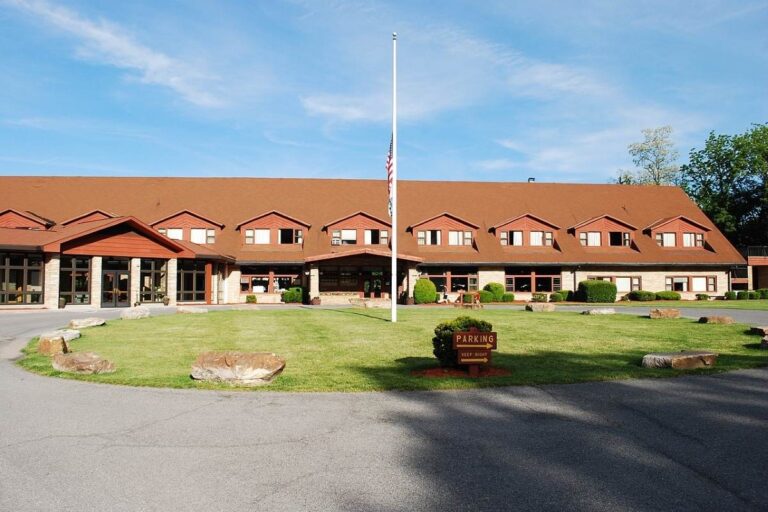
🏆🏆🏆🏆🏆 West-virginia — 6,115-acre mountain resort with a historic lodge, golf course, and access to Cacapon Mountain (2,300 ft) — the name comes from the Shawnee word for “Medicine Waters.” CCC workers built the original facilities in the 1930s. The Robert Trent Jones Sr. golf course is consistently rated the best public course in West Virginia!
Visitor Information
| Detail | Info |
|---|---|
| Location | West Virginia |
About Cacapon Resort
Cacapon Resort State Park in Morgan County provides resort-style recreation in the Eastern Panhandle — where West Virginia reaches within 90 miles of Washington, DC. The park’s 6,115 acres include Cacapon Mountain (2,300 feet), an 18-hole Robert Trent Jones golf course, a historic CCC-built lodge, and Cacapon Lake. George Washington surveyed this valley as a teenager in 1748 — his first professional job.
Things to Do
Golfing the Robert Trent Jones course, staying at the historic lodge, hiking to the Cacapon Mountain summit, swimming in the lake, horseback riding, and golfing where Washington once surveyed the wilderness.
Plan Your Visit
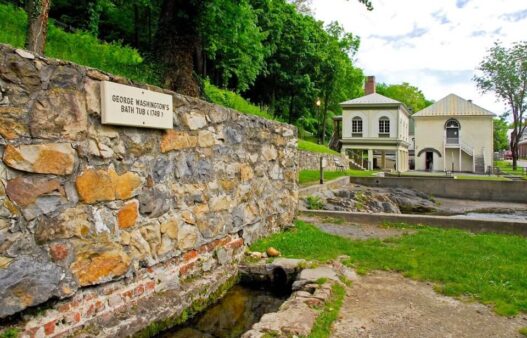
The lodge (49 rooms) and cabins (30) provide comfortable accommodation. The Robert Trent Jones golf course is consistently ranked among West Virginia’s best. Berkeley Springs (20 minutes) — America’s first spa town (George Washington bathed here in 1748) — offers mineral baths, massage, and quirky shops. The Ice Mountain Preserve (TNC) features a periglacial phenomenon where ice persists in rock crevices through summer. Reservations recommended for lodge and cabins.
Insider Tips
CCC legacy: Cacapon was built by the Civilian Conservation Corps (1930s) — one of FDR’s most successful New Deal programs. Pro tip: The CCC employed 3 million young men during the Depression — planting 3 billion trees, building 800 parks, and constructing trails and lodges that still serve visitors. Eastern Panhandle: WV’s Eastern Panhandle is closer to Washington DC than to Charleston.
Frequently Asked Questions
What was the CCC?
The Civilian Conservation Corps (1933-1942) employed 3 million young men in conservation work during the Great Depression — planting 3 billion trees, building 800 state parks, fighting fires, and constructing roads and trails. Workers earned $30/month and were required to send $25 home to their families. The CCC built much of America’s outdoor recreation infrastructure. Many lodges, shelters, and trails in today’s state parks were built by CCC workers 90 years ago.