🌤 Weather at Grave Creek Mound by season
| Spring | Summer | Fall | Winter |
|---|---|---|---|
| 29–74 °F | 58–86 °F | 31–78 °F | 20–44 °F |
Each range runs from the coldest monthly average low to the warmest monthly average high in that season (1991-2020 climate normals), measured at Moundsville, 1 mi away, elevation 620 ft. Conditions at the park can differ from the station, especially where elevation differs — check a forecast before you go.

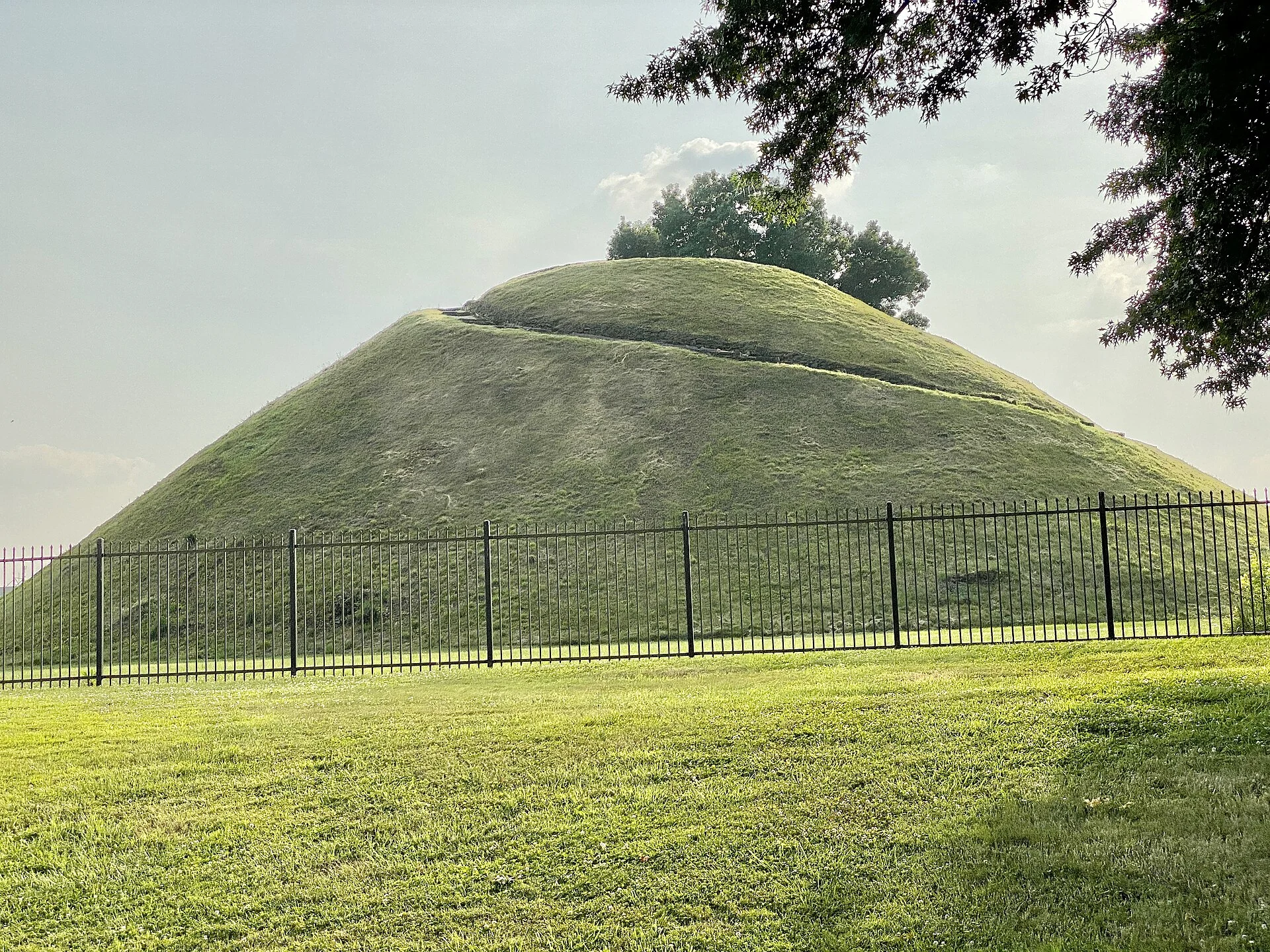
Largest Adena Culture Burial Mound in North America — National Historic Landmark, Built Between 250 and 150 BC, 62 Feet Tall and 240 Feet in Diameter, Delf Norona Museum With Adena Culture Artifacts and Archaeological Exhibits, Walkway to the Top of the Mound, Archaeological Research Center, Listed on the National Register of Historic Places, Near Moundsville Marshall County Northern West Virginia Panhandle
Grave Creek Mound Archaeological Complex (formerly Grave Creek Mound State Park) is a state-managed archaeological site in Moundsville, Marshall County, in the Northern Panhandle of West Virginia, managed by the West Virginia Department of Arts, Culture and History. The complex features the largest conical burial mound built by the Adena culture in North America — standing 62 feet tall and 240 feet in diameter, constructed between approximately 250 and 150 BC, designated as a National Historic Landmark, the Delf Norona Museum (opened 1978) housing Adena culture artifacts, pottery, tools, and archaeological exhibits, a walkway to the summit of the mound offering views of the Ohio River valley, an archaeological research center managing West Virginia’s archaeological record, listing on the National Register of Historic Places, and interpretive displays explaining the Adena culture’s burial practices and sophisticated earthwork engineering.
The sheer scale of Grave Creek Mound is staggering — when it was built over 2,000 years ago, the Adena people moved an estimated 60,000 tons of earth by hand to create a monument taller than a six-story building. It remains the largest conical burial mound of its type in the Western Hemisphere.
The mound survived because early settlers in Moundsville (which was literally named after it) recognized its significance. It was first excavated in 1838, yielding skeletal remains, copper bracelets, shell beads, and the controversial Grave Creek Stone inscribed with unknown characters.
What to See
- The Mound — 62 ft tall, 240 ft diameter
- Delf Norona Museum — Adena artifacts
- Summit walkway — Ohio River valley views
- Research center — WV archaeology
- Interpretive exhibits — burial practices
Site Information
| Feature | Details |
|---|---|
| Location | Moundsville, Marshall County, WV Panhandle |
| Built | ~250–150 BC (Adena culture) |
| Size | 62 ft tall × 240 ft diameter |
| Designation | National Historic Landmark / NRHP |
| Museum | Delf Norona Museum (1978) |
| Managed By | WV Dept. of Arts, Culture & History |
| Coordinates | 39.9167° N, 80.7333° W |
Wildlife & Nature
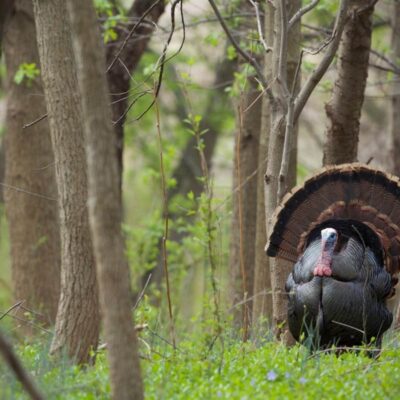
Grave Creek Mound — one of the largest conical burial mounds in North America — standing 62 feet high and 240 feet in diameter. Built by the Adena culture approximately 250-150 BC. The site’s grounds and mound support songbirds, squirrels, and white-tailed deer.
Nearby Attractions
Moundsville — adjacent — also home to the former West Virginia Penitentiary (a haunted tourism icon). Ohio River — nearby.
How old is Grave Creek Mound?
Grave Creek Mound in Moundsville, West Virginia was built by the Adena culture between approximately 250 and 150 BC — over 2,000 years ago. Standing 62 feet tall and 240 feet in diameter, it is the largest conical burial mound in North America and a National Historic Landmark. The on-site Delf Norona Museum houses Adena artifacts, and a walkway leads to the summit for Ohio River valley views. Managed by WV Department of Arts, Culture and History.
Last updated: May 2026
Nearby state parks: If you have extra time, Tomlinson Run State Park is elsewhere in the state, and Prickett Fort State Park is elsewhere in the state.

🐾 Dogs & Pets at Grave Creek Mound
- Pets allowed? statewide rule
- Dogs and cats (the only pets permitted) are welcome in West Virginia state parks and forests, including campgrounds and trails, if leashed, restrained, vaccinated and in good health.
- Leash rule statewide rule
- Pets must be leashed and restrained at all times; in lodging public areas a sturdy leash no longer than 10 ft is required
- Cabins & lodging statewide rule
- Select pet-friendly cabins, cottages and lodge rooms at 16 state parks and 4 state forests (e.g. Babcock, Blackwater Falls, Cacapon Resort, Twin Falls Resort); lodge rooms $25 first night + $10 each additional night per pet (capped at $75 per visit), cabins $50 first night + $5 each additional night per pet
- Pet fees statewide rule
- Lodging pet fees: lodge rooms $25 first night + $10/additional night per pet (max $75/visit); cabins $50 first night + $5/additional night per pet
- Statewide exceptions statewide rule
- Only dogs and cats permitted; maximum two pets in pet-friendly lodging; rabies certification required for lodging stays
Are dogs allowed at Grave Creek Mound?
Dogs and cats (the only pets permitted) are welcome in West Virginia state parks and forests, including campgrounds and trails, if leashed, restrained, vaccinated and in good health. Individual parks can post stricter rules — check signage on arrival.
Rules verified July 2026 via wvstateparks.com. More: West Virginia state parks guide · Dog rules in all 50 states compared
Park Location
Plan your gear for Grave Creek Mound
From our editorial guides, matched to this park’s activities: