Hanging Gardens
🌤 Weather at Hanging Gardens by season
| Spring | Summer | Fall | Winter |
|---|---|---|---|
| 34–68 °F | 51–82 °F | 34–76 °F | 30–46 °F |
Each range runs from the coldest monthly average low to the warmest monthly average high in that season (1991-2020 climate normals), measured at Hood Rvr Exp Stn, 1 mi away, elevation 500 ft. Conditions at the park can differ from the station, especially where elevation differs — check a forecast before you go.

🏆 Cascade Cliff Garden — Unique cliff-face garden ecosystem along the Columbia River Gorge — where mist from waterfalls creates hanging gardens on basalt cliffs
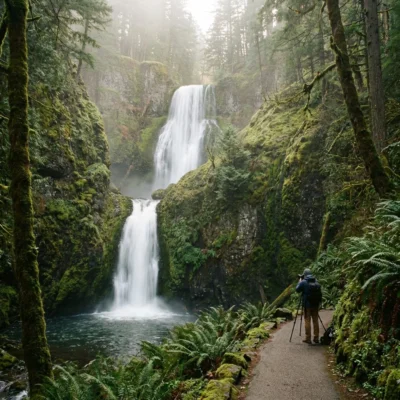
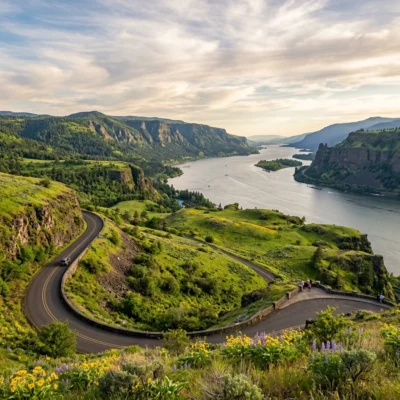
Hanging Gardens preserves a unique botanical phenomenon along the Columbia River Gorge — where constant mist and seeping groundwater create lush hanging gardens on otherwise barren basalt cliff faces. The Columbia River Gorge is the only sea-level passage through the Cascade Range — a dramatic 80-mile canyon up to 4,000 feet deep. The Gorge acts as a natural wind tunnel, funneling Pacific moisture eastward and creating microclimates that support plants normally found hundreds of miles apart. The basalt cliffs were formed by the Columbia River Basalt floods 16 million years ago.
Visitor Information
| Detail | Information |
|---|---|
| Location | Columbia River Gorge, WA |
| Entry Fee | Discover Pass required |
| Gorge | 80mi canyon, 4,000ft deep! |
| Feature | Mist-fed cliff gardens on basalt! |
About Hanging Gardens
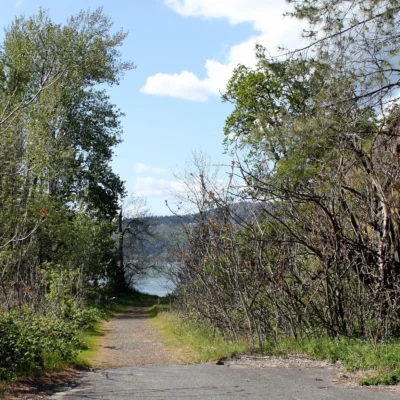
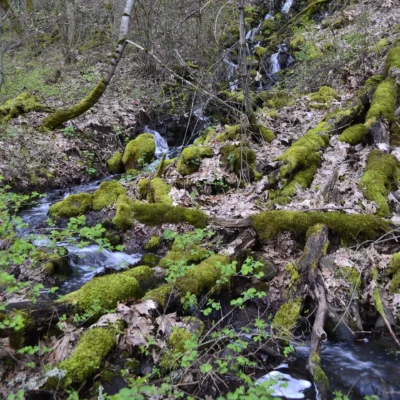
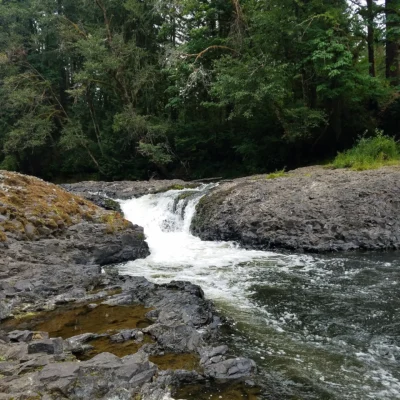
Hanging Gardens is a small but striking natural feature in the Columbia Basin of eastern Washington. The site preserves a unique geological formation where natural springs seep from basalt cliffs, supporting lush hanging gardens of moss, ferns, and wildflowers in an otherwise arid desert landscape — a green oasis in the sage-steppe.
Things to Do
Viewing the unusual spring-fed hanging gardens, photography of the contrast between lush vegetation and desert basalt, hiking, and wildlife viewing. The site is a geological curiosity created by water seeping through layers of Columbia River basalt.
Insider Tips
Columbia Plateau: Hanging Gardens features basalt cliffs with seeping springs that support lush vegetation in an otherwise arid landscape — a natural desert oasis. Pro tip: The Columbia Plateau was formed by massive basalt lava floods 15-17 million years ago — the largest continental volcanic event in Earth’s recent history. Channeled Scablands: The surrounding landscape was shaped by the Missoula Floods — the largest floods in Earth’s known history.
Best Time to Visit
Spring: Desert wildflower bloom and flowing springs. Summer: Green oasis contrast with dry surroundings. Fall: Comfortable temperatures. Winter: Ice formations on the seeps.
Frequently Asked Questions
What were the Missoula Floods?
During the last Ice Age, a glacial ice dam repeatedly blocked the Clark Fork River in Montana, creating glacial Lake Missoula. When the dam broke, 500 cubic miles of water rushed across eastern Washington at 65+ mph — the largest known floods in Earth’s history. This happened 40-80 times over 2,000 years, carving the Channeled Scablands — a dramatic landscape of coulees, cataracts, and giant ripple marks.
More parks nearby: Spring Creek Hatchery is a short drive away, while Doug’s Beach lies within about an hour’s drive.
🌿 Visit Hanging Gardens
Columbia River Gorge — mist-fed gardens on 16-million-year-old basalt!
Wildlife & Nature
Hanging Gardens — a day-use area in the Columbia River Gorge — features unusual basalt formations where springs seep through columnar basalt, creating hanging gardens of ferns, mosses, and wildflowers on the cliff faces. These microhabitats persist through the dry eastern Washington summer thanks to groundwater percolating through the porous basalt layers. Canyon wrens — with their distinctive cascading song — inhabit the cliff faces. Swallows nest in cavities. Mule deer and western fence lizards frequent the area.
Nearby Attractions
Columbia River Gorge National Scenic Area surrounds the site. Beacon Rock State Park — nearby — has the 848-ft volcanic plug with summit trail. Bonneville Dam offers fish ladder viewing. Stevenson has the Columbia Gorge Interpretive Center. Multnomah Falls (Oregon side) is the tallest waterfall in Oregon.

🐾 Dogs & Pets at Hanging Gardens
- Pets allowed? statewide rule
- Pets are allowed in most Washington state parks but must be under physical control on a leash at all times.
- Leash rule statewide rule
- 8 ft maximum leash required; pets must be under physical control
- Beaches & swim areas statewide rule
- Pets are not permitted on designated swim beaches
- Cabins & lodging statewide rule
- Pets are not allowed inside vacation houses but are permitted in designated pet-friendly cabins and yurts (e.g. Grayland Beach, Seaquest, Ike Kinswa — Cape Disappointment does NOT allow pets in its yurts), typically up to two pets, with a pet fee
- Pet fees statewide rule
- No day-use pet fee; $15 per night pet fee in pet-friendly cabins/yurts
- Statewide exceptions statewide rule
- Director-designated off-leash areas are exempt from the leash rule and are conspicuously posted
Are dogs allowed at Hanging Gardens?
Pets are allowed in most Washington state parks but must be under physical control on a leash at all times. Individual parks can post stricter rules — check signage on arrival.
Rules verified July 2026 via parks.wa.gov. More: Washington state parks guide · Dog rules in all 50 states compared
Park Location
Plan your gear for Hanging Gardens
From our editorial guides, matched to this park’s activities: