Spring Creek Hatchery
🌤 Weather at Spring Creek Hatchery by season
| Spring | Summer | Fall | Winter |
|---|---|---|---|
| 34–68 °F | 51–82 °F | 34–76 °F | 30–46 °F |
Each range runs from the coldest monthly average low to the warmest monthly average high in that season (1991-2020 climate normals), measured at Hood Rvr Exp Stn, 3 mi away, elevation 500 ft. Conditions at the park can differ from the station, especially where elevation differs — check a forecast before you go.

🏆 Salmon Conservation — Historic fish hatchery on the Columbia River — one of the oldest hatcheries in the Pacific Northwest, producing millions of salmon and steelhead annually
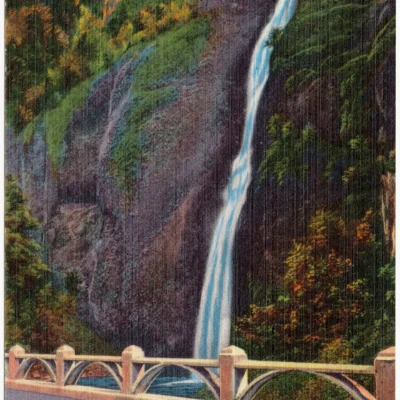
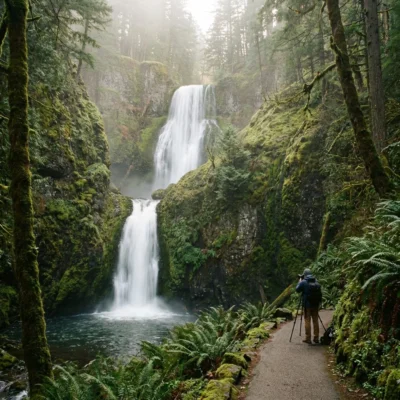
Spring Creek Hatchery State Park preserves a historic fish hatchery on the Columbia River in Skamania County — part of the massive effort to sustain Pacific salmon runs devastated by dam construction. The Columbia River once supported the largest salmon runs in the world — an estimated 10–16 million fish annually before the dams. Today, 13 Columbia River salmon runs are listed as threatened or endangered. Spring Creek Hatchery produces millions of salmon and steelhead smolts annually — a controversial but critical component of salmon recovery. The Columbia River Gorge here features stunning basalt cliffs and waterfalls.
Visitor Information
| Detail | Information |
|---|---|
| Location | Columbia River Gorge, WA |
| Entry Fee | Free |
| Historic Runs | 10–16 MILLION salmon/yr pre-dam! |
| Crisis | 13 runs threatened/endangered! |
About Spring Creek Hatchery
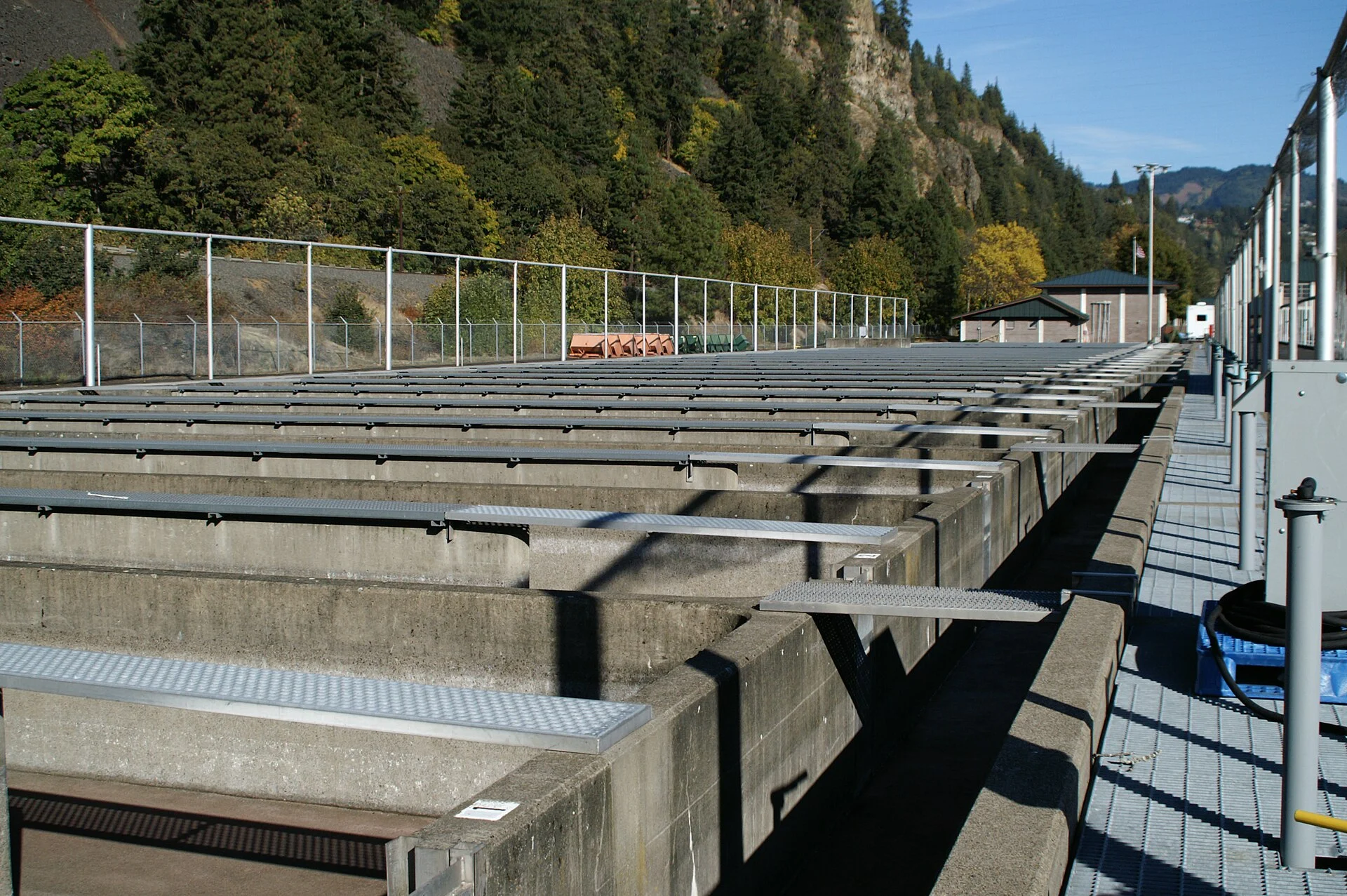
Spring Creek Hatchery is a state fish hatchery on the Columbia River in the Columbia River Gorge near White Salmon. The hatchery raises millions of fall Chinook salmon and other species to supplement wild runs depleted by dams. It’s one of the largest fish hatcheries on the Columbia River system — a critical part of the region’s salmon recovery efforts.
Things to Do
Self-guided tours of the hatchery operations, watching salmon return to the fish ladder (fall is peak season), learning about salmon life cycles and conservation, and fishing in the Columbia River nearby. The Gorge setting provides dramatic scenery. Free to visit.
Insider Tips
Salmon lifecycle: Spring Creek Hatchery on the Columbia River raises millions of salmon and steelhead annually — visitors can watch every stage of the salmon lifecycle. Pro tip: The Columbia River once supported the largest salmon runs in the world — 10-16 million fish annually before dams reduced runs by 90%. Hatchery debate: Hatcheries are controversial — they boost numbers but may weaken wild salmon genetics.
Best Time to Visit
Fall: Adult salmon return — watch spawning. Spring: Juvenile release — millions of smolts head to sea. Summer: Hatchery tours. Year-round: Facility open for visits.
Frequently Asked Questions
Why are salmon declining?
Pacific salmon face the “4 H’s” — Habitat loss (logging, development), Hydropower (dams block migration), Harvest (overfishing), and Hatcheries (genetic dilution). The Columbia River’s 14 main-stem and tributary dams are the primary obstacle — each dam kills 5-15% of migrating juveniles. Despite billions spent on restoration, many Columbia River salmon runs remain at 5-10% of historic levels.
More parks nearby: Doug’s Beach lies within about an hour’s drive.
🐟 Visit Spring Creek Hatchery
Columbia River — from 16 million salmon to 13 endangered runs!
Wildlife & Nature
Spring Creek Hatchery — a US Fish & Wildlife Service facility on the Columbia River in Skamania County — is one of the largest salmon hatcheries on the Columbia River, raising tule Chinook salmon. The hatchery provides a self-guided tour of the facilities. Bald eagles and osprey concentrate during salmon runs. Great blue herons fish the hatchery ponds. River otters are occasionally spotted.
Nearby Attractions
Bonneville Dam — adjacent — offers fish ladder viewing and powerhouse tours. Cascade Locks, Oregon — across the Bridge of the Gods. Beacon Rock State Park — 5 miles west — has the 848-ft volcanic plug summit trail. Stevenson — 10 miles east — has the Columbia Gorge Interpretive Center.

🐾 Dogs & Pets at Spring Creek Hatchery
- Pets allowed? statewide rule
- Pets are allowed in most Washington state parks but must be under physical control on a leash at all times.
- Leash rule statewide rule
- 8 ft maximum leash required; pets must be under physical control
- Beaches & swim areas statewide rule
- Pets are not permitted on designated swim beaches
- Cabins & lodging statewide rule
- Pets are not allowed inside vacation houses but are permitted in designated pet-friendly cabins and yurts (e.g. Grayland Beach, Seaquest, Ike Kinswa — Cape Disappointment does NOT allow pets in its yurts), typically up to two pets, with a pet fee
- Pet fees statewide rule
- No day-use pet fee; $15 per night pet fee in pet-friendly cabins/yurts
- Statewide exceptions statewide rule
- Director-designated off-leash areas are exempt from the leash rule and are conspicuously posted
Are dogs allowed at Spring Creek Hatchery?
Pets are allowed in most Washington state parks but must be under physical control on a leash at all times. Individual parks can post stricter rules — check signage on arrival.
Rules verified July 2026 via parks.wa.gov. More: Washington state parks guide · Dog rules in all 50 states compared
Park Location
Plan your gear for Spring Creek Hatchery
From our editorial guides, matched to this park’s activities: