🌤 Weather at Kollar Wildlife Management Area by season
| Spring | Summer | Fall | Winter |
|---|---|---|---|
| 30–71 °F | 60–85 °F | 35–76 °F | 20–42 °F |
Each range runs from the coldest monthly average low to the warmest monthly average high in that season (1991-2020 climate normals), measured at Hartford Brainard Field, 4 mi away, elevation 19 ft. Conditions at the park can differ from the station, especially where elevation differs — check a forecast before you go.

🏆 Forest Habitat
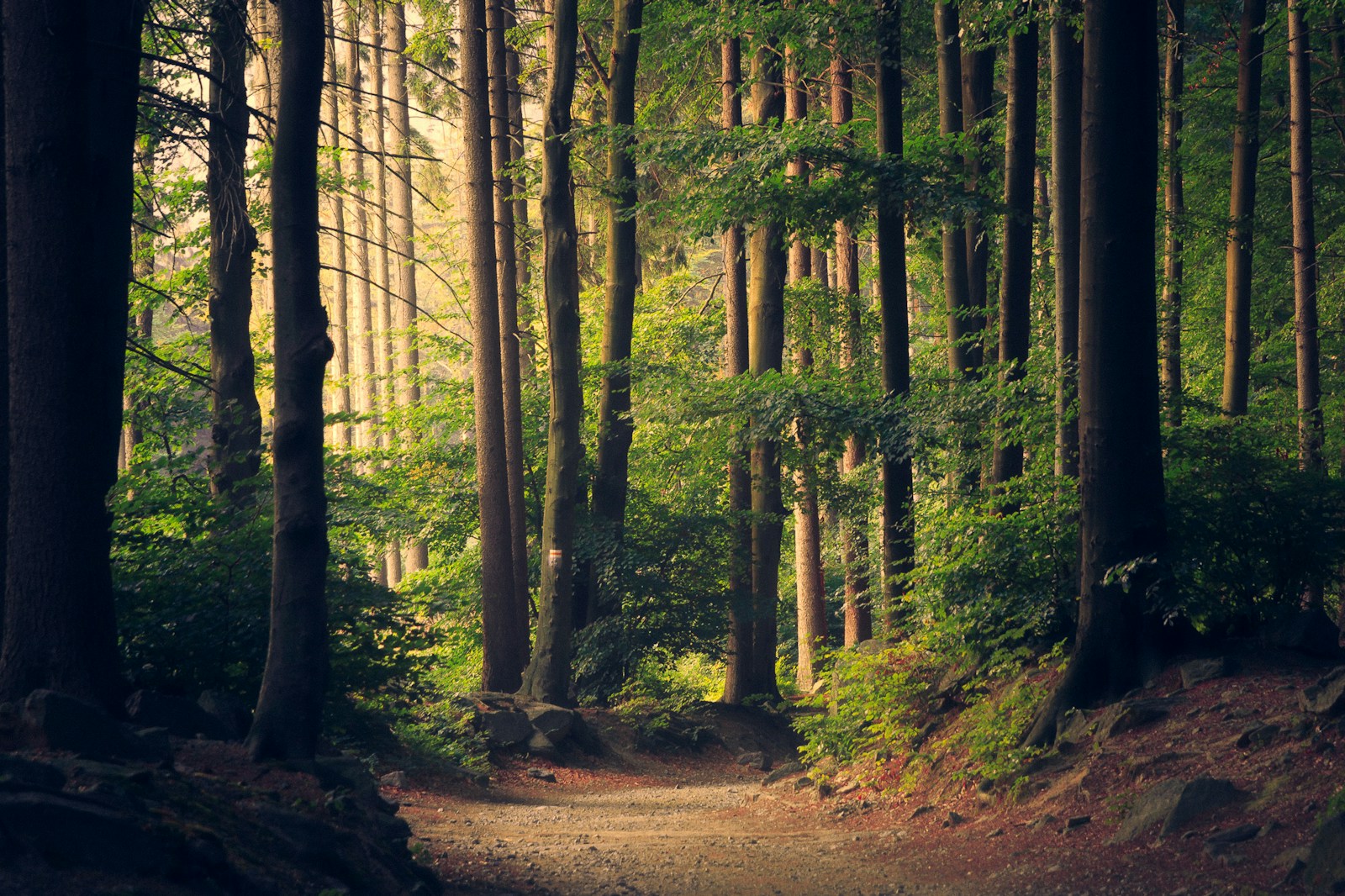
Kollar Wildlife Management Area protects forested upland in Connecticut, providing habitat for deer, turkey, and migratory songbirds. The property contributes to a network of protected lands that maintain wildlife corridors across Connecticut’s increasingly fragmented landscape.
Visitor Information
| Detail | Information |
|---|---|
| Location | CT |
| Entry Fee | Free |
| Feature | Mixed hardwood forest |
| Wildlife | Deer, turkey, songbirds |
About Kollar WMA
Kollar Wildlife Management Area in Tolland provides hunting grounds and wildlife habitat in the wooded hills of northeastern Connecticut. The mixed hardwood forest supports white-tailed deer, wild turkey, and ruffed grouse — Connecticut’s iconic upland game bird.
Kollar Wildlife Management Area in Tolland County protects mixed hardwood forest and wetland in the eastern Connecticut uplands. The area’s mature forest supports populations of barred owls, pileated woodpeckers, and wild turkeys — species that have recovered dramatically in Connecticut since the state’s forests regenerated from near-total clearance in the 1800s. Connecticut was 70% deforested by 1860 but has recovered to 60% forest cover today.
Things to Do
Hunting (deer, turkey, grouse), hiking through the forest, birdwatching, and fall foliage viewing in the Tolland County hills.
Hunting (deer, turkey — seasonal), birdwatching for forest species (listen for barred owls at dusk), hiking through mature hardwood forest, and observing Connecticut’s remarkable forest recovery.
Frequently Asked Questions
Do I need a permit to visit?
Connecticut Wildlife Management Areas are open to the public for hiking, birdwatching, and nature study without a permit. Hunting and fishing require valid Connecticut licenses and stamps. WMAs may be closed during certain hunting seasons — check the CT DEEP website for current access restrictions.
Are dogs allowed?
Dogs are permitted but must be kept under control at all times. During bird nesting season (April through July), dogs should be leashed to protect ground-nesting species. Hunting dogs are allowed during designated hunting seasons with appropriate permits.
How big is Kollar WMA?
Kollar WMA is a smaller wildlife management area in Connecticut’s portfolio — ideal for a quick nature walk or morning birdwatching session. Connecticut manages over 100 WMAs totaling 30,000+ acres across the state.
What is the best way to explore?
Walk the old woods roads and field edges at dawn or dusk for the best wildlife viewing. Bring binoculars for birds and scan field edges for deer and turkeys. The area is small enough to explore thoroughly in 1-2 hours.
Wildlife & Nature
Kollar WMA provides habitat for upland game birds and early successional species. The management area demonstrates the paradox of New England conservation — too much forest can be as problematic as too little. When European settlers cleared 80% of Connecticut’s forest for farming, species adapted to open and edge habitats thrived. As farms were abandoned and forests regrew (Connecticut is now 60% forested, up from 25% in 1820), these open-habitat species declined. Active management — mowing, controlled cutting, and prescribed fire — recreates the habitat diversity that natural disturbance once provided. Brown thrashers, field sparrows, and prairie warblers depend on this management for survival in Connecticut.
Nearby Attractions
The surrounding region offers a mix of outdoor recreation and small-town New England character. Natchaug State Forest provides extensive trail networks and excellent trout fishing on the Natchaug River. Mansfield Hollow State Park offers lake recreation at a scenic reservoir. UConn in Storrs is Connecticut’s flagship university — the Benton Museum of Art, Connecticut State Museum of Natural History, and Dairy Bar are all open to visitors. Joshua’s Trust maintains 4,400+ acres across 37 preserves in the Quiet Corner.
Nearby state parks: If you have extra time, Raymond Brook Marsh Wildlife Management Area is a short drive away, and Larson Lot Wildlife Management Area is a short drive away.

🐾 Dogs & Pets at Kollar Wildlife Management Area
- Pets allowed? statewide rule
- Pets on a leash are permitted in most Connecticut state parks and forests, but not in buildings, swimming areas or state park campgrounds.
- Leash rule statewide rule
- Pets must be leashed and under control at all times; in state forest camping areas the leash may be no longer than 7 feet.
- Beaches & swim areas statewide rule
- Pets are prohibited in swimming areas; Sherwood Island and Squantz Pond State Parks ban pets entirely April 15 - September 30.
- Cabins & lodging statewide rule
- Pets are banned from all state park campgrounds; they are allowed only in the American Legion, Pachaug and Salt Rock state forest campgrounds, but not on rustic cabin sites.
- Statewide exceptions statewide rule
- Pets prohibited year-round at Dinosaur State Park and in the formal gardens and beach at Harkness Memorial State Park.
Are dogs allowed at Kollar Wildlife Management Area?
Pets on a leash are permitted in most Connecticut state parks and forests, but not in buildings, swimming areas or state park campgrounds. Individual parks can post stricter rules — check signage on arrival.
Rules verified July 2026 via portal.ct.gov. More: Connecticut state parks guide · Dog rules in all 50 states compared
Plan your gear for Kollar Wildlife Management Area
From our editorial guides, matched to this park’s activities:
Top Tours & Activities in Connecticut
 from $100
 from $28from $75