🌤 Weather at Seneca Fouts Memorial State Natural Area by season
| Spring | Summer | Fall | Winter |
|---|---|---|---|
| 34–68 °F | 51–82 °F | 34–76 °F | 30–46 °F |
Each range runs from the coldest monthly average low to the warmest monthly average high in that season (1991-2020 climate normals), measured at Hood Rvr Exp Stn, 5 mi away, elevation 500 ft. Conditions at the park can differ from the station, especially where elevation differs — check a forecast before you go.

🏆 Old-Growth Oak Preserve — Rare old-growth Oregon white oak woodland in the Willamette Valley
Seneca Fouts Memorial State Natural Area preserves one of the last remnants of old-growth Oregon white oak woodland in the Willamette Valley. Before European settlement, oak savannahs dominated the valley floor — maintained by Kalapuya people through controlled burns. Less than 1% of original oak habitat remains today, making this preserve critically important for conservation. The ancient oaks — some exceeding 300 years — support a rich ecosystem of native wildflowers, butterflies, and cavity-nesting birds.
Visitor Information
| Detail | Information |
|---|---|
| Location | Willamette Valley, OR |
| Entry Fee | Free |
| Habitat | Old-growth white oak (300+ years) |
| Conservation | Less than 1% of original habitat |
Frequently Asked Questions
Why are oak savannahs so rare?
Without the Kalapuya burning practices, Douglas fir forests have overtaken most oak habitat since the 1850s. This preserve is one of a handful protecting Oregon’s vanishing oak ecosystem.
How old are these trees?
The largest Douglas firs in old-growth stands like this are 400-600 years old — they were saplings when Columbus reached America. The western red cedars may be even older. These trees survived centuries of fire, wind, and disease.
About Seneca Fouts
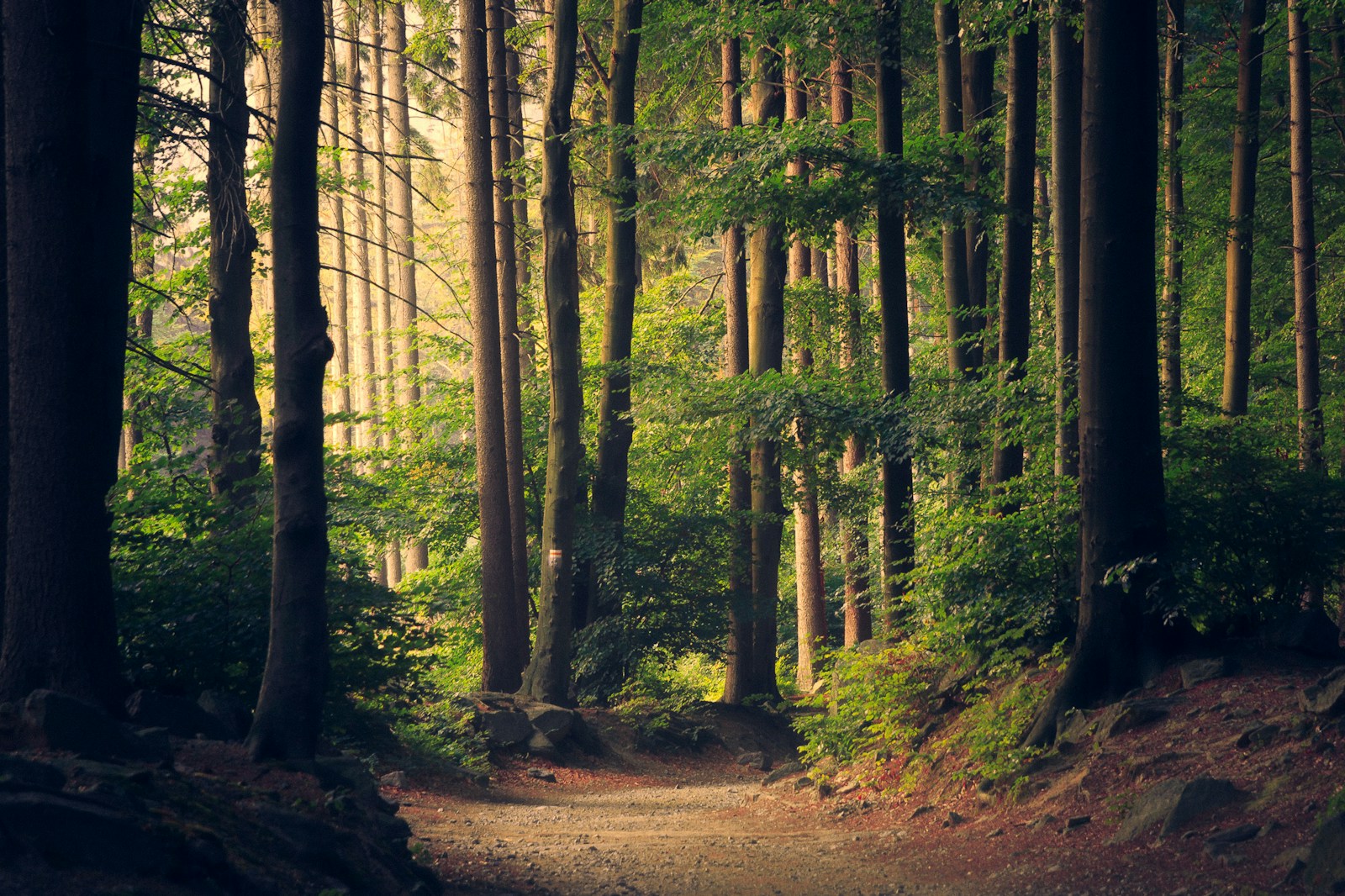
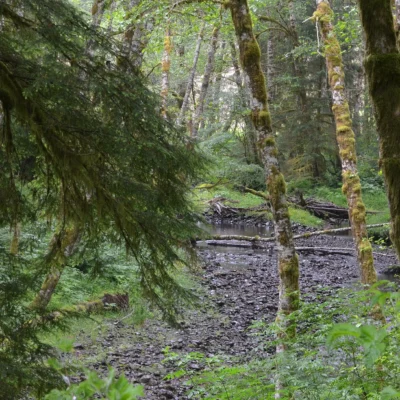
Seneca Fouts Memorial State Natural Area protects a rare intact stand of old-growth forest along the North Umpqua River. Named for early conservationist Seneca Fouts, the area features massive Douglas fir trees and provides critical habitat for the northern spotted owl and marbled murrelet.
Things to Do
Quiet nature walks through old-growth forest, birdwatching for old-growth dependent species, and photography of ancient trees. The North Umpqua Trail passes nearby for extended hiking.
Insider Tips
Coast Range old-growth: Seneca Fouts protects one of the last unlogged stands in the central Coast Range — massive Douglas fir and western red cedar. Pro tip: The short trail leads to a grove of trees 6-8 feet in diameter — some of the largest remaining in this part of Oregon. Quiet power: This is not a flashy park — it’s a cathedral of ancient trees where the silence itself is the attraction.
Best Time to Visit
Year-round: Old-growth is magnificent in every season. Winter: Rain brings the forest to its most luminous green. Spring: Trilliums and calypso orchids. Fall: Mushroom season.
Wildlife & Nature
Seneca Fouts Memorial State Natural Area protects old-growth forest — Oregon’s State Natural Areas receive the highest level of protection within the park system. Development is strictly limited to preserve natural processes and ecological integrity. The old-growth forest supports the full range of wildlife dependent on ancient trees — northern spotted owls (ESA-threatened) require old-growth for nesting. Marbled murrelets — small seabirds that make daily flights from the ocean to nest on moss-covered limbs of ancient trees — are one of the most unusual bird-habitat relationships in North America. Pileated woodpeckers excavate cavities used by 40+ other species. The forest floor’s decomposing logs support the Pacific Northwest’s extraordinary fungal diversity — the region has more mushroom species than any other area of comparable size in North America.
Nearby Attractions
Oregon’s State Natural Areas form a network protecting the state’s most sensitive ecosystems. Valley of the Giants — a BLM Outstanding Natural Area — protects massive old-growth Douglas fir and western red cedar. Marys Peak (4,097 feet) offers the highest viewpoint in the Coast Range. Corvallis — home of Oregon State University — has a vibrant college-town atmosphere. McDonald-Dunn Research Forest provides university-managed trail recreation. Alsea Falls offers a scenic Coast Range waterfall.
More parks in Oregon: Vinzenz Lausmann Memorial State Natural Area and Viento State Park. See the full Oregon state parks guide.
🌳 Visit Seneca Fouts Memorial SNA
Last 1% — 300-year-old oaks from the vanishing Willamette Valley savannah.

🐾 Dogs & Pets at Seneca Fouts Memorial State Natural Area
- Pets allowed? statewide rule
- Pets are welcome in Oregon state parks and on most ocean beaches but must be leashed except in designated off-leash areas.
- Leash rule statewide rule
- Leash no longer than 6 feet required in developed park areas
- Beaches & swim areas statewide rule
- Pets are allowed on most ocean beaches under direct control; western snowy plover nesting areas restrict pets March 15 - Sept. 15; leash required on the beach at some parks (e.g. Cape Lookout)
- Cabins & lodging statewide rule
- Designated pet-friendly yurts and cabins at many parks (South Beach has 14 pet-friendly yurts, Tugman 8); maximum two dogs and/or cats; $10 per night pet fee
- Pet fees statewide rule
- $10 per night for pet-friendly yurts/cabins; no pet fee for day use or campsites
- Statewide exceptions statewide rule
- Pets prohibited at Dabney SRA, the Trail of Ten Falls at Silver Falls, and Shore Acres; off-leash areas at Stub Stewart, Willamette Mission, Elijah Bristow, Cottonwood Canyon and LaPine
Are dogs allowed at Seneca Fouts Memorial State Natural Area?
Pets are welcome in Oregon state parks and on most ocean beaches but must be leashed except in designated off-leash areas. Individual parks can post stricter rules — check signage on arrival.
Rules verified July 2026 via stateparks.oregon.gov. More: Oregon state parks guide · Dog rules in all 50 states compared
Park Location
Plan your gear for Seneca Fouts Memorial State Natural Area
From our editorial guides, matched to this park’s activities: