In-Depth Guide to Hawaii State Parks
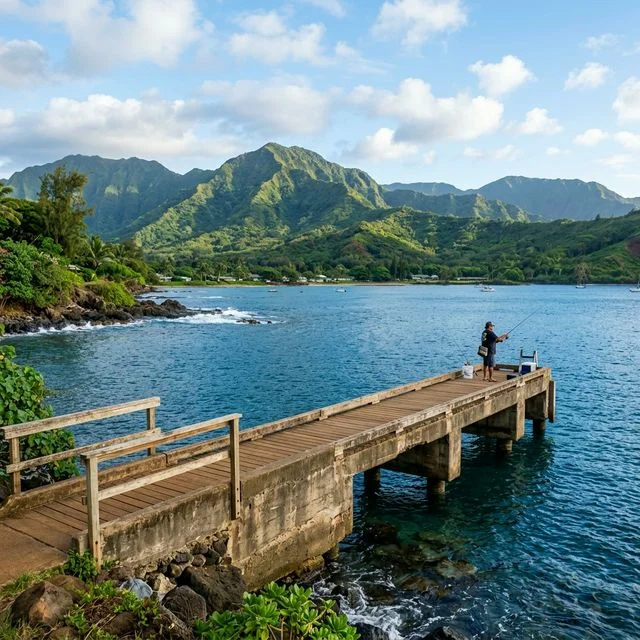
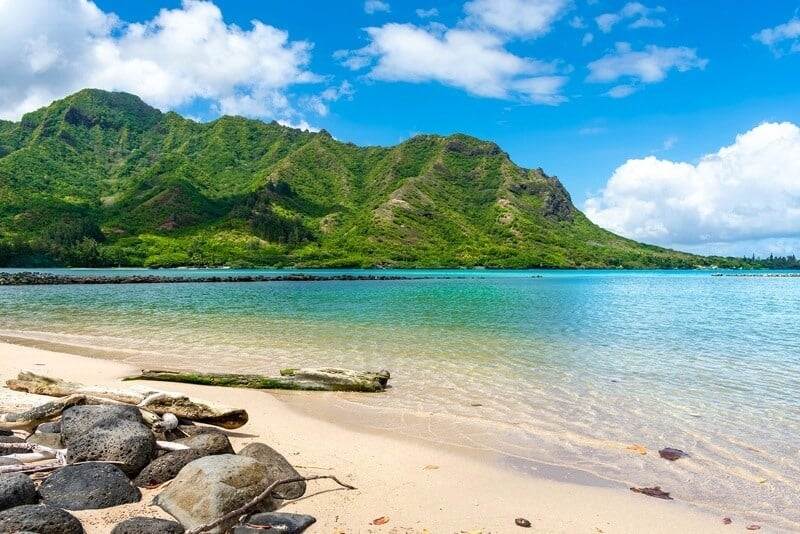
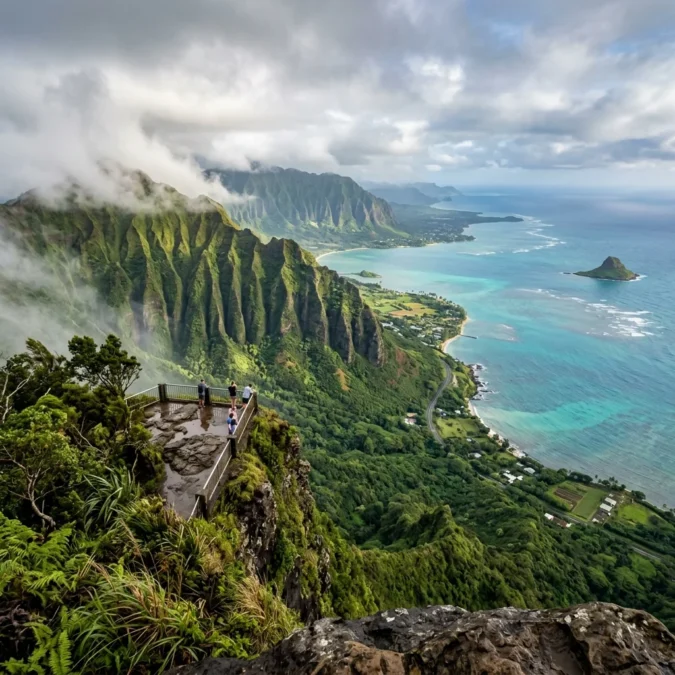
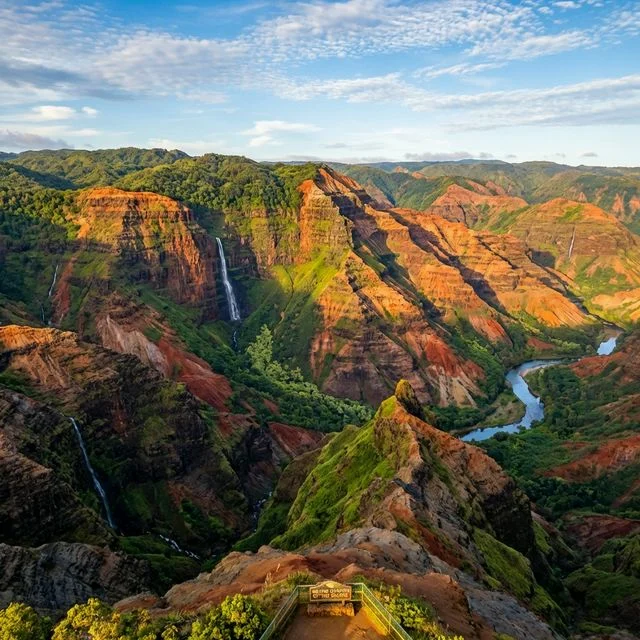
State parks where active volcanoes meet turquoise waters, 4,000-foot sea cliffs tower above the Pacific, and snorkeling with sea turtles is a walk from the parking lot. Hawaii’s 50 state parks span 30,000 acres across five main islands, offering landscapes found nowhere else on Earth — from black sand beaches and tropical rainforests to alpine deserts and ancient Hawaiian sacred sites. 5 million annual visitors prove the draw.
Park Pass & Fees
| Pass Type | Cost | Details |
|---|---|---|
| HI Resident Entry | FREE | Most parks free for residents |
| Non-Resident Entry (fee parks) | $5/person | Diamond Head, Hāʻena, Waiʻānapanapa, ʻĪao Valley |
| Non-Resident Parking (fee parks) | $10/vehicle | Includes entry for driver & passengers; residents free |
| Camping (Resident) | $25/night | Tent camping; permits required |
| Camping (Non-Resident) | $30/night | Tent camping; permits required |
| Kōkeʻe Cabins (Kauaʻi) | ~$80–$120/night | Rustic cabins; 2-night minimum |
| Hāpuna Shelters (Big Island) | ~$30/night | A-frame shelters with electricity |
📋 Hawaii Park Entry: FREE for residents. Hawaii has no statewide non-resident pass — non-residents pay per park at the busiest sites ($5/person + $10/vehicle at Diamond Head, Hāʻena, Waiʻānapanapa, ʻĪao Valley). → See our Complete 50-State Annual Pass Price Guide, or our 50-State Park Fees Study.
New in 2026: Hawaii launched a new reservation system at explore.ehawaii.gov for all camping, cabin, and pavilion permits (check-in dates Feb 1, 2026+). Permits up to 1 year ahead (some parks 30 days). Must purchase and print permits in advance.
Parks by Island
Kauaʻi — The Garden Isle
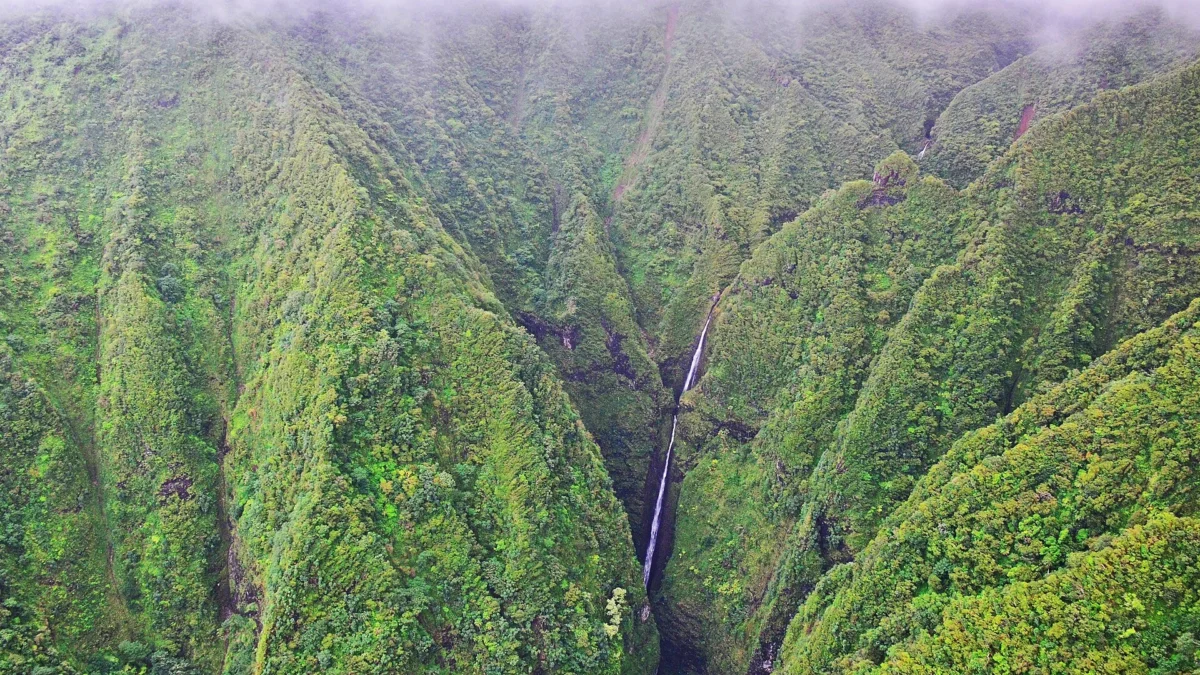
Nā Pali Coast State Wilderness Park is arguably the most spectacular state park in America — 6,175 acres of razor-sharp sea cliffs rising 4,000 feet from the Pacific. Accessible only by the legendary 11-mile Kalalau Trail, by sea, or by helicopter. Only 60 camping permits per day, released 90 days ahead at 12:01 AM HST via explore.ehawaii.gov. Camp at Hanakoa (mile 6) or Kalalau Beach (mile 11) — composting toilets but no potable water, no trash service, no cell coverage. Must treat all stream water and pack out all trash. A Nā Pali camping permit also grants Hāʻena State Park access. Kōkeʻe State Park perches at 4,000 feet above the Nā Pali coast — rustic cabins with wood-burning stoves, cooking facilities, linens provided; intentionally “unplugged” (no TV, no cell service). 45 miles of montane forest trails and the stunning Kalalau Lookout. 2-night minimum. On the sun-baked west end, Polihale State Park guards Hawaiʻi’s longest beach — a remote 17-mile sweep of sand beneath the Nā Pali cliffs, reached by an unpaved cane road (4WD advised), with first-come tent camping and blazing sunsets. Along the east shore, Wailua River State Park is the islands’ only navigable river, leading to Fern Grotto and ʻŌpaekaʻa Falls.
Oʻahu
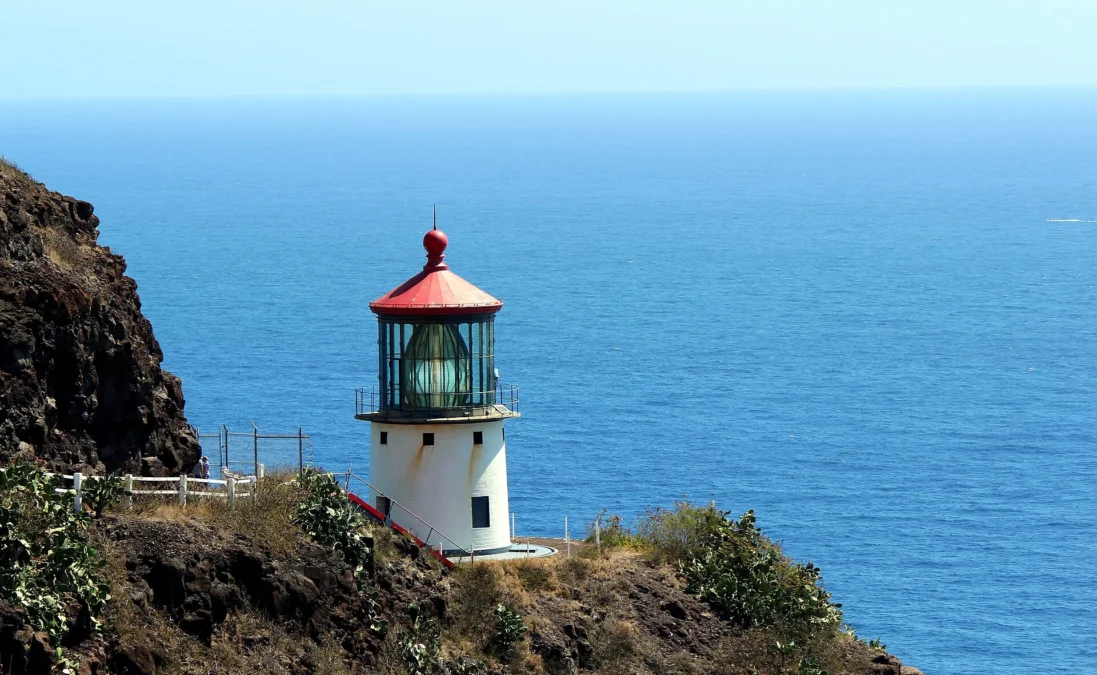
Diamond Head State Monument — Hawaii’s most iconic hike. A 760-foot volcanic crater with a 0.8-mile trail to 360° panoramic views of Waikīkī and the Pacific. Advance reservations required. Kaʻena Point State Park at Oʻahu’s westernmost tip — rugged coastal trail to an albatross nesting colony. Kaiwi State Scenic Shoreline features the Makapuʻu Lighthouse Trail — one of the best whale-watching spots in Hawaii (Dec–Mar, humpback season).
Maui
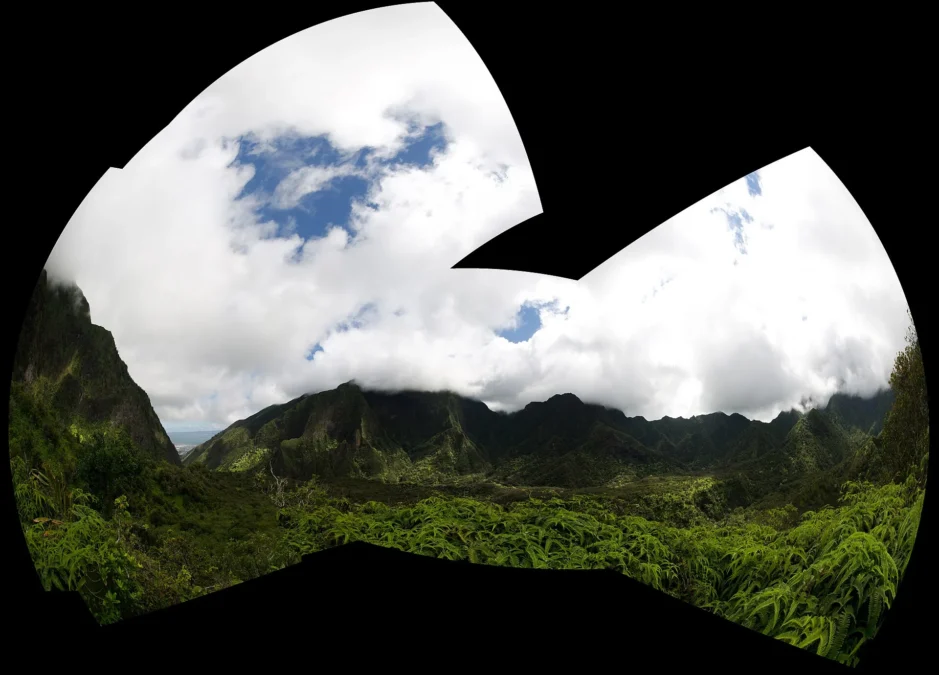
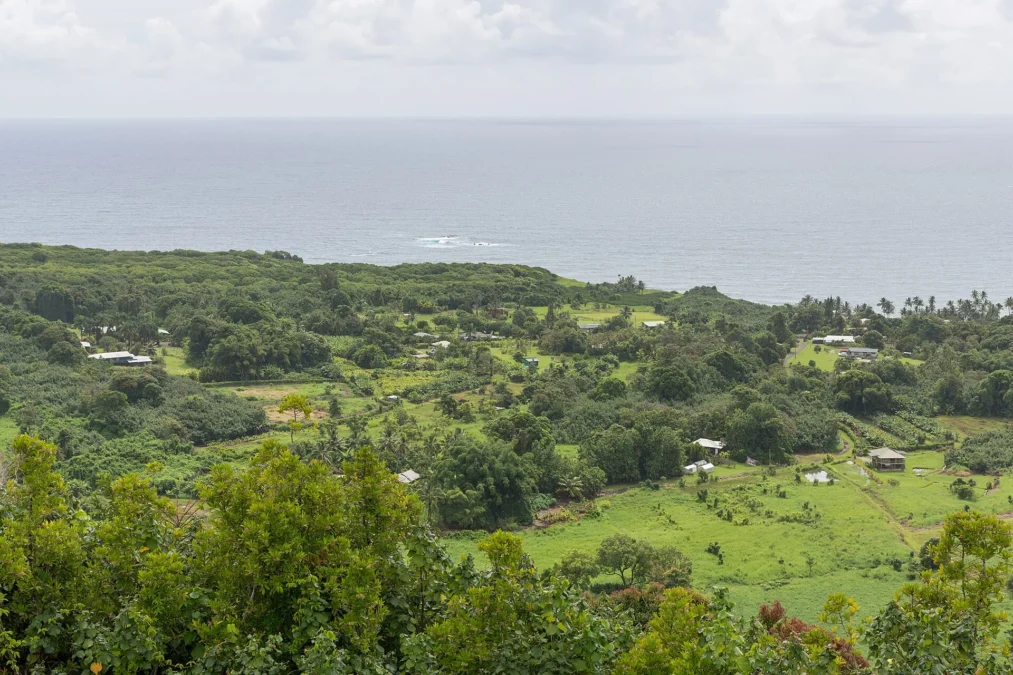
Waiʻānapanapa State Park on the Road to Hana — jet-black volcanic sand beaches, sea caves, blowholes, and lush jungle trails. Advance reservations mandatory for ALL visitors (including residents). Daily capacity limited to protect the ecosystem. ʻĪao Valley State Monument — the sacred ʻĪao Needle, a 1,200-foot moss-covered volcanic spire. Polipoli Spring State Recreation Area on Haleakalā’s slopes — surreal cloud forest with redwood and eucalyptus groves.
Big Island (Hawaiʻi)
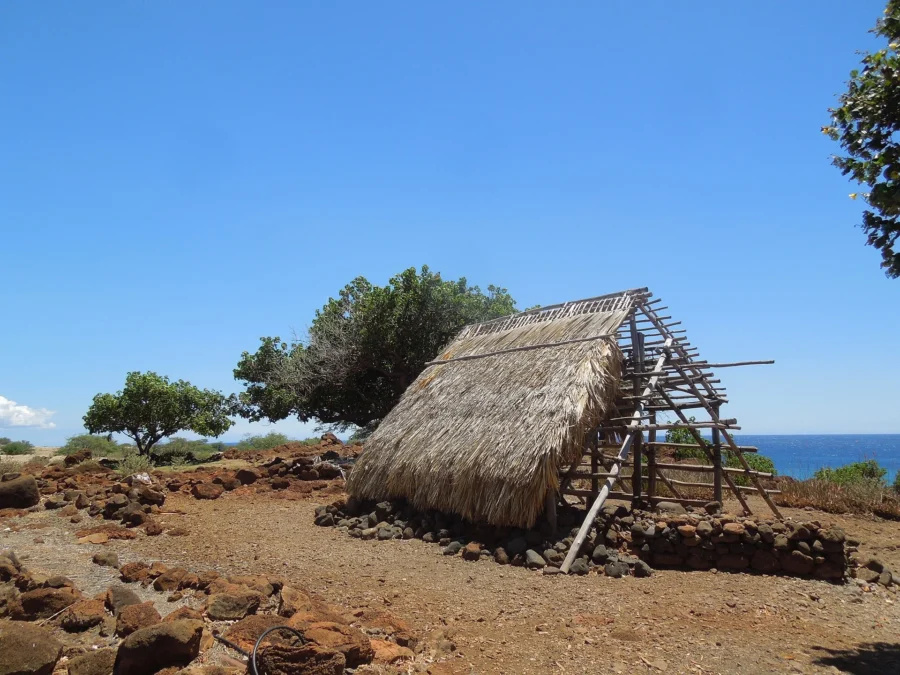
Hāpuna Beach State Recreation Area — consistently rated one of the world’s best beaches. White sand, calm waters, excellent snorkeling. A-frame shelters (~$30/night) with electricity, mesh upper walls, communal bathrooms with showers and kitchen. Bring your own bedding. ʻAkaka Falls State Park — a stunning 442-foot waterfall plunging into a tropical gorge. Lapakahi State Historical Park preserves a 600-year-old Hawaiian fishing village. On the Kona side, Kekaha Kai State Park hides salt-and-pepper beaches down a rugged lava road.
Molokaʻi & Lānaʻi
Pālāʻau State Park on Molokaʻi overlooks the Kalaupapa Peninsula — the former Hansen’s disease settlement — with dramatic 1,600-foot sea cliffs. On Lānaʻi, Hulopoʻe Bay is one of Hawaii’s finest marine preserves — home to spinner dolphins — though note it’s a county beach park, not a state park (Lānaʻi has no state park).
Cabin & Camping Guide
| Accommodation | Park / Island | Price | Details |
|---|---|---|---|
| Rustic Cabins | Kōkeʻe SP / Kauaʻi | $80–$120/night | Wood stove, linens, kitchen; no TV/cell; 2-night min |
| A-Frame Shelters | Hāpuna Beach / Big Island | ~$30/night | Electricity, communal bath/kitchen; bring bedding |
| Wilderness Camping | Nā Pali Coast / Kauaʻi | $30/night | 60 permits/day; 90-day advance; no water/cell |
| Tent Camping | Various parks | $25–$30/night | Resident/non-resident rates; permit required |
| Bunkhouses | Mauna Kea Rec Area | Varies | 6,500 ft elevation; no heat; below-freezing nights |
Booking tip: Use explore.ehawaii.gov for all permits (new system Feb 2026). Nā Pali Kalalau permits released 90 days ahead at 12:01 AM HST — only 60/day, they sell out in minutes. Some Oʻahu parks only allow 30-day advance booking. Waiʻānapanapa (Maui) requires reservations for all visitors — plan weeks ahead for summer.
Insider Tips
🌺 Local Knowledge
- Kalalau Trail permits sell out instantly: Only 60 permits per day for the Nā Pali Coast. Released 90 days in advance at 12:01 AM HST. Set an alarm. The first 2 miles to Hanakapiʻai Beach require only a day-use permit. For the full 11-mile trail, plan at least 2–3 nights at Kalalau Beach to fully experience it. No potable water — treat all stream water. Pack out all trash.
- Kōkeʻe cabins — intentionally unplugged: These are rustic cabins at 4,000 feet — wood-burning stoves, no TV, no cell service. They provide linens, towels, and toiletries. It’s significantly cooler and wetter than lower elevations — bring warm layers. The Kalalau Lookout here is the best viewpoint of the Nā Pali Coast without hiking.
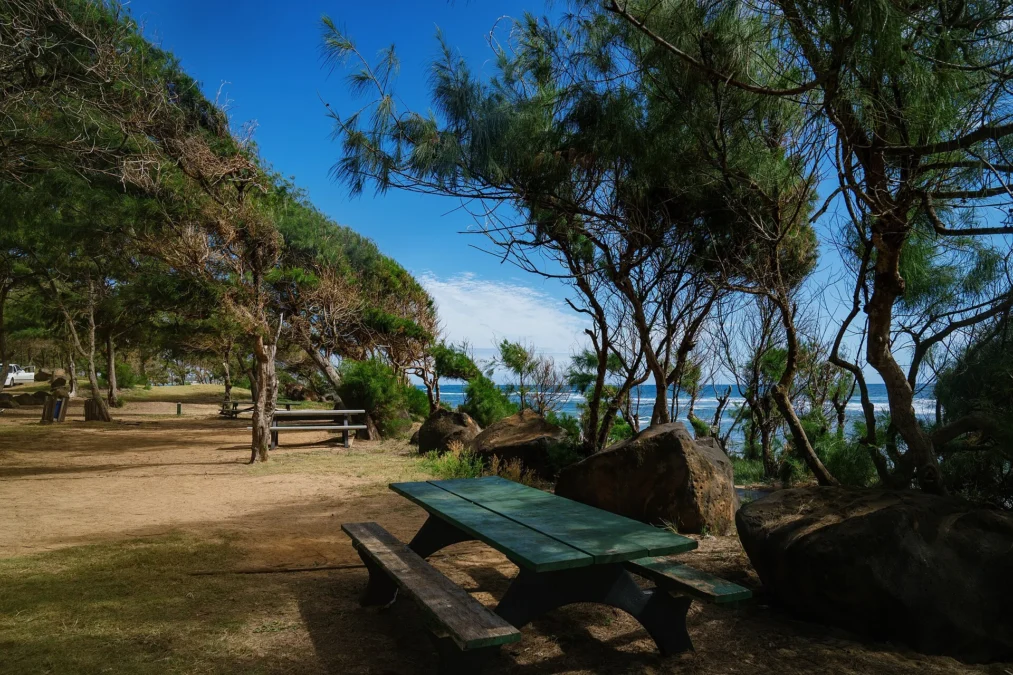
- Hāpuna Beach shelters — hidden gem: Recently refurbished A-frame shelters at one of the world’s best beaches for ~$30/night. Half-walls with screened upper sections. Communal kitchen and shower. Bring your own bedding and cooking supplies. Steps from the beach.
- Waiʻānapanapa — reservation required: ALL visitors must reserve in advance at the Road to Hana black sand beach. No walk-ups during peak times. Capacity limits protect the site.
- Diamond Head — no walk-ups: Hawaii’s most famous hike requires advance reservations. Non-residents pay a fee. Go early morning to avoid heat and crowds.
- Whale watching — free from Makapuʻu: The Makapuʻu Lighthouse Trail on Oʻahu is one of the best whale-watching spots in Hawaii — humpback whales visible Dec through Mar, often from the trail itself. No boat needed.
Best Parks by Activity
Best for Hiking
- Nā Pali Coast (Kalalau Trail) — 11-mile legendary coastal trail
- Diamond Head State Monument — Iconic volcanic crater summit
- Kōkeʻe State Park — 45 miles of montane trails + Kalalau Lookout
- ʻAkaka Falls State Park — Easy tropical waterfall walk (442 ft)
Best for Beaches & Snorkeling
- Hāpuna Beach — World-class white sand; calm snorkeling
- Waiʻānapanapa — Black sand beach on Road to Hana
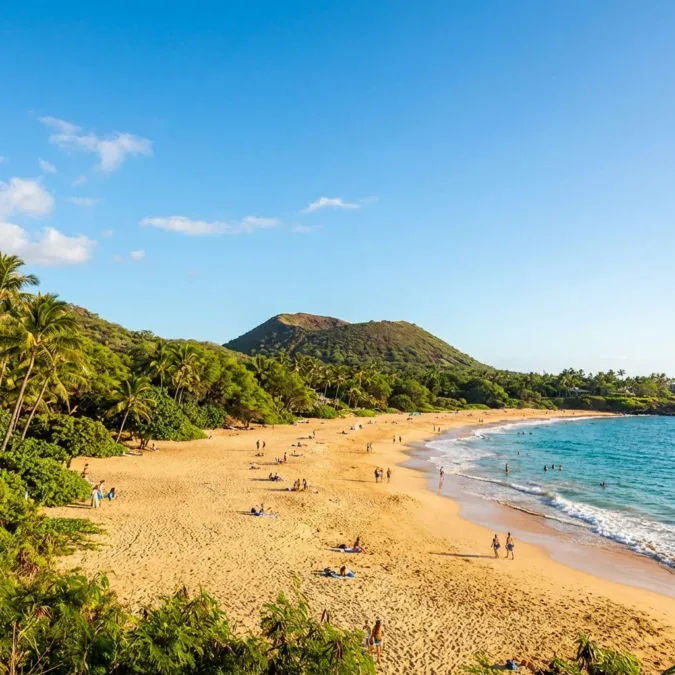
- Mākena State Park (Maui) — Big Beach; bodysurfing and snorkeling
- Pōlihale (Kauaʻi) — Remote 17-mile beach; 4WD required
When to Visit
| Season | Highlights | Crowds |
|---|---|---|
| Winter (Dec–Mar) | Humpback whale watching, greener landscapes, big surf | Peak (holidays) |
| Spring (Apr–May) | Fewer crowds, warm water, excellent hiking | Moderate |
| Summer (Jun–Aug) | Calmest ocean, best snorkeling | Peak |
| Fall (Sep–Nov) | Lowest prices, warm weather, smallest crowds | Low |
Planning around the seasons? Explore our national guides to the best state parks for spring wildflowers, summer swimming, fall foliage, and winter camping & snow sports — plus our guide to the best times to visit state parks by region.
FAQs
Are Hawaii state parks free?
Free for residents. Hawaii has no statewide non-resident pass. Non-residents pay per park at the busiest sites — $5/person entry plus $10/vehicle parking at Diamond Head, Hāʻena, Waiʻānapanapa, and ʻĪao Valley. Most other parks remain free. Fees verified July 2026 via dlnr.hawaii.gov.
Do I need reservations?
Yes — Waiʻānapanapa, Diamond Head, and Nā Pali Coast all require advance reservations. Use explore.ehawaii.gov (new system 2026).
How do I get a Kalalau Trail permit?
60 permits/day, released 90 days ahead at 12:01 AM HST on explore.ehawaii.gov. They sell out in minutes. The first 2 miles require only a day-use permit.
Can I camp at the beach?
Yes — Hāpuna Beach has A-frame shelters ($30/night), and several parks offer beachside tent camping with permits.
What’s the best island for state parks?
Kauaʻi for the most dramatic scenery (Nā Pali, Kōkeʻe). Big Island for diversity. Oʻahu for accessibility (Diamond Head). Maui for the Road to Hana experience.
How many state parks does Hawaii have?
Hawaii’s Division of State Parks manages 50 state parks across roughly 30,000 acres on five main islands — Kauaʻi, Oʻahu, Maui, Molokaʻi, and Hawaiʻi (the Big Island). Lānaʻi has no state park. Entry is free for residents; non-residents pay small per-park fees at the busiest sites.
Does Hawaii have national parks?
Two of America’s most dramatic: Hawaiʻi Volcanoes National Park on the Big Island, home to active Kīlauea, and Haleakalā National Park on Maui, whose 10,000-foot crater pairs with nearby Polipoli Spring. The National Park Service also runs Puʻuhonua o Hōnaunau, Kaloko-Honokōhau, Kalaupapa (below Pālāʻau State Park), Puʻukoholā Heiau, and the Pearl Harbor National Memorial.
Are dogs allowed in Hawaii state parks?
Pets are heavily restricted in Hawaii state parks: they are not permitted in pavilions, swimming areas, campgrounds, lodges, on beaches or wherever posted, and only limited areas allow them. Where permitted, pets must be crated, caged, on a 6-foot or shorter leash, or otherwise under physical restrictive control at all times. Rules vary by park and posting; effectively day-use only in the limited unposted areas where pets are tolerated. Rules verified July 2026 via dlnr.hawaii.gov. Full 50-state comparison: Dog Rules in America’s State Parks.
4,000-foot sea cliffs, black sand beaches, and 442-foot waterfalls — explore Hawaii’s 50 state parks.