In-Depth Guide to Nebraska State Parks
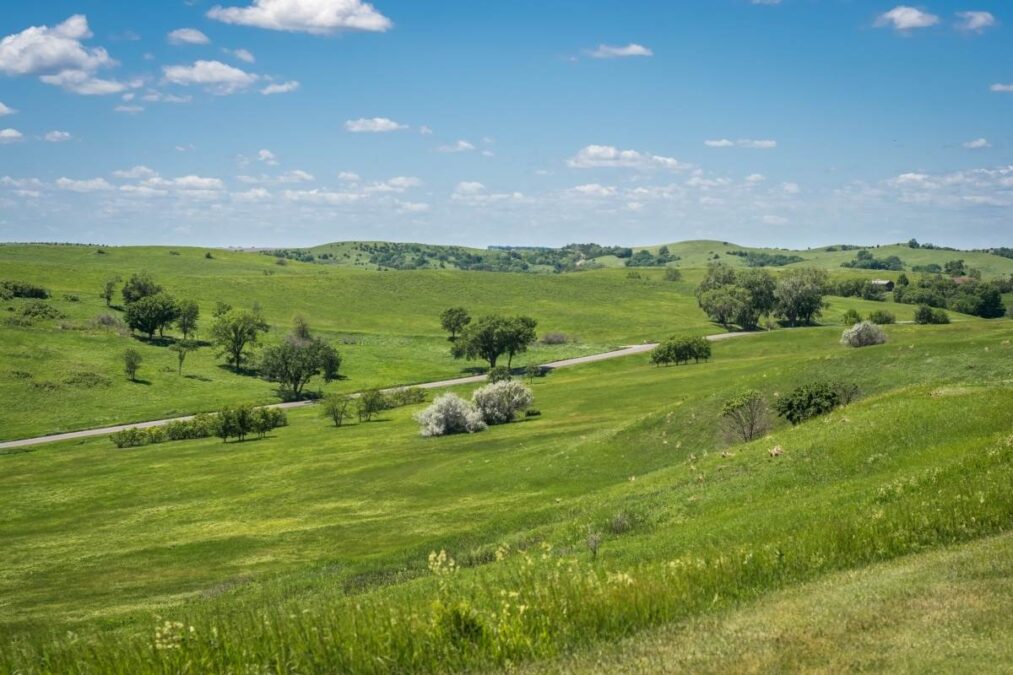
The Great Plains hide wonders that will challenge everything you think you know. Nebraska’s 77 state park areas — including 8 state parks, 57 recreation areas, and 10 historical parks — span 105,000 acres from the Pine Ridge Badlands to the towering Sandhills, the largest grass-stabilized sand dune system in the Western Hemisphere. Watch 500,000 Sandhill cranes darken the sky, swim on white-sand beaches stretching for 76 miles, sleep in 1874 frontier fort quarters, and explore the world’s largest hand-planted forest.
Park Pass & Fees
| Fee Type | Resident | Non-Resident | Details |
|---|---|---|---|
| Annual Park Permit | $35 | $55 | Vehicle entry to all 77+ park areas |
| Daily Vehicle Permit | $6 | $8 | Single-day entry |
| Tent Camping | $10–$15/night | Primitive sites | |
| Electric Camping | $20–$30/night | Most campgrounds; reservable online | |
| Rustic Cabins | $50–$100/night | Chadron (22), Ponca, others | |
| Historic Fort Lodging | $70–$200/night | Fort Robinson — officer’s quarters & barracks | |
| Modern Cabins/Lodges | $100–$250/night | Mahoney, Platte River SP | |
📋 Nebraska Annual Park Permit: $35/resident, $55/non-resident — vehicle entry to all state parks. → See our Complete 50-State Annual Pass Price Guide for full details.
Parks by Region
Pine Ridge — Nebraska’s Hidden West
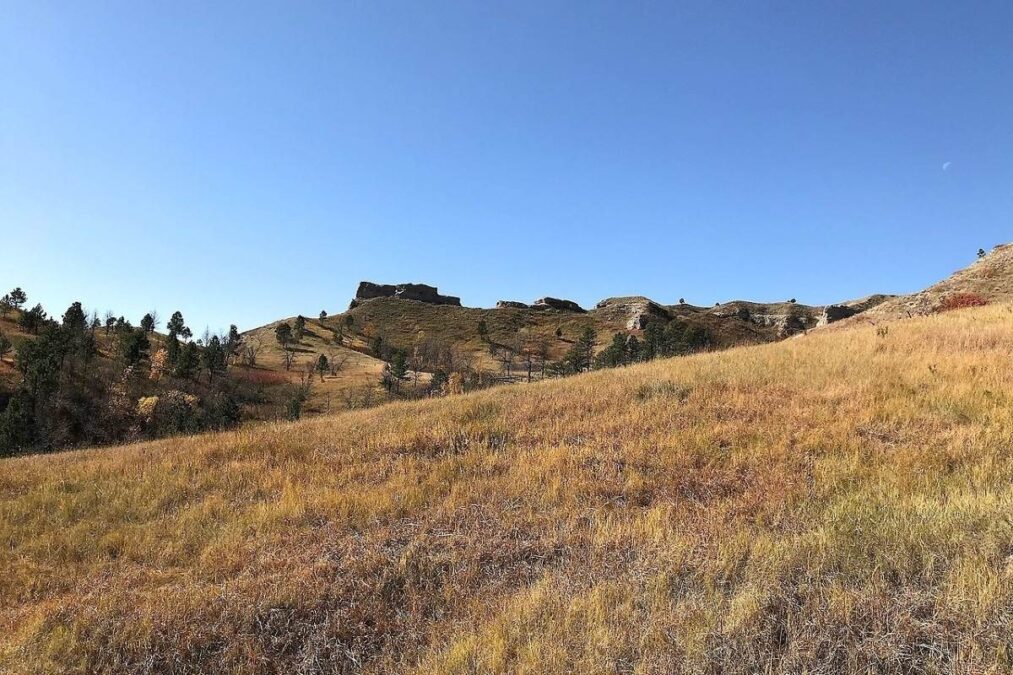
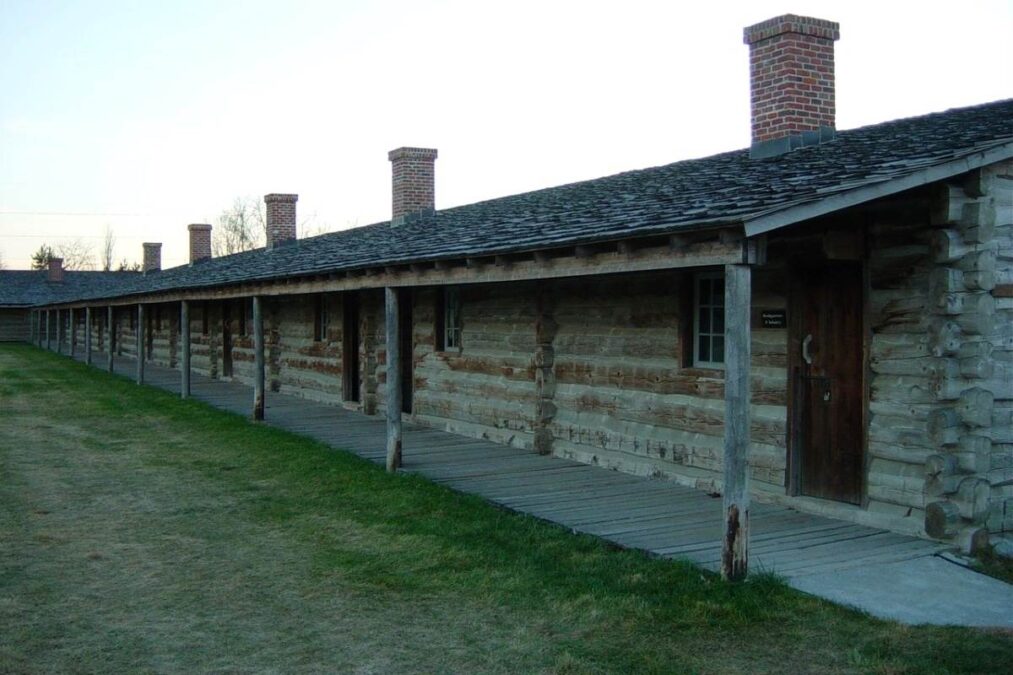
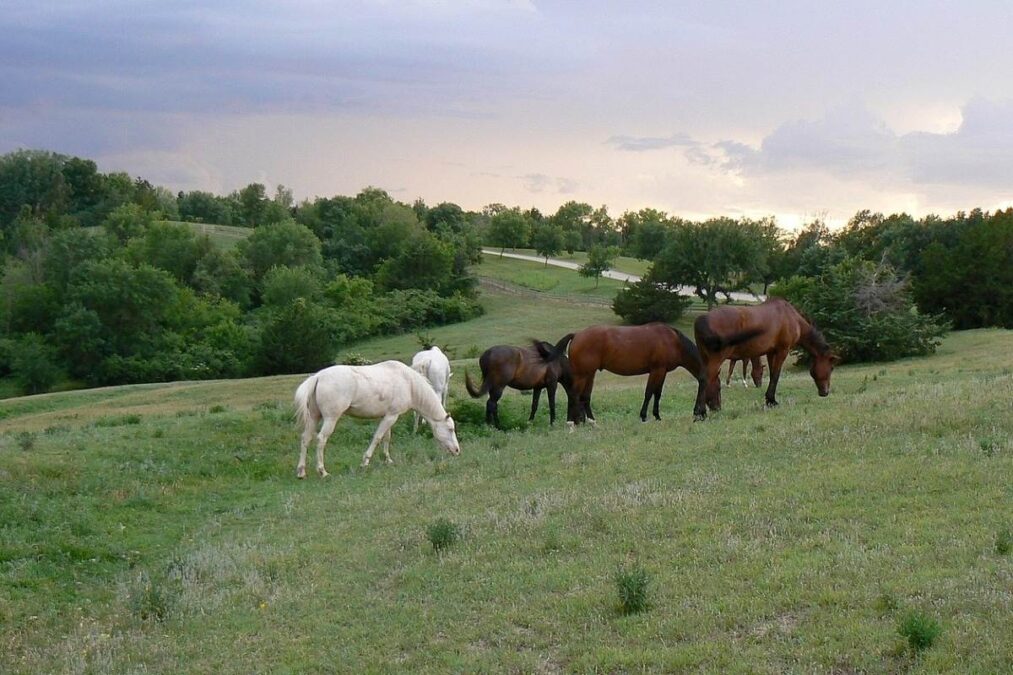
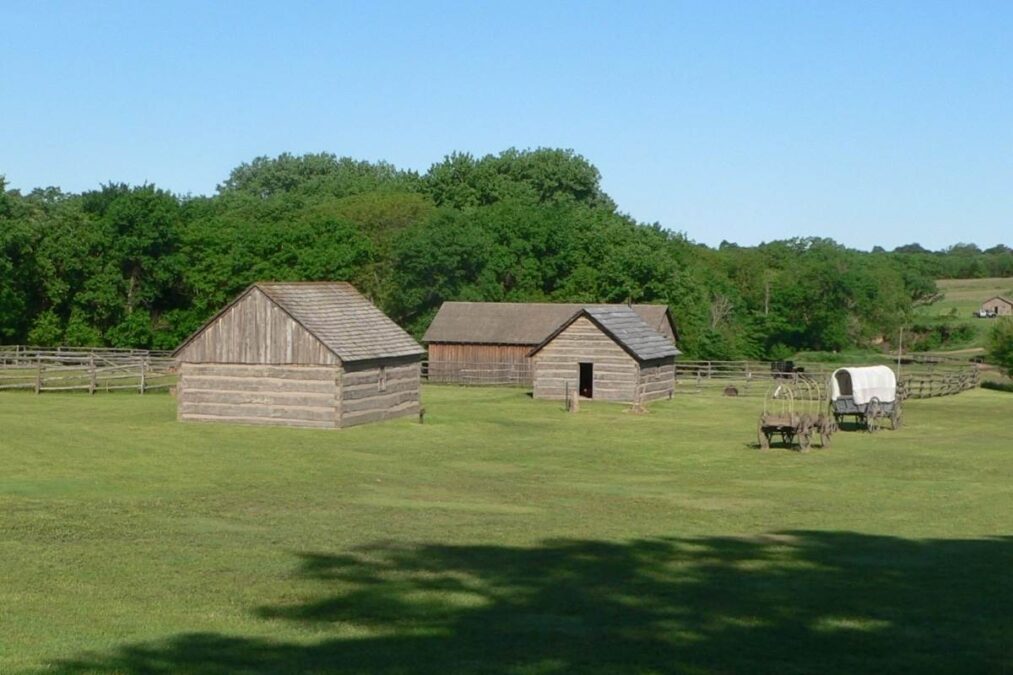
Chadron State Park — Nebraska’s oldest (est. 1921) — nestles in ponderosa pine forests with horseback trail rides, a swimming pool, paddle boats, and 22 furnished cabins. It looks more like Wyoming than Nebraska. Fort Robinson State Park sprawls across 22,000 acres of butte-studded rangeland at a historic frontier military post (1874–1948). Instead of traditional cabins, you sleep in historic officer’s quarters and barracks dating from 1874 to 1909 — rooms outfitted with kitchens and baths that accommodate 2 to 60 people. Fort Robinson also offers bison herd viewing, stagecoach rides, horseback tours, hayrack breakfasts, and buffalo stew cookouts. Toadstool Geologic Park (nearby USFS) features lunar-like badlands formations with mushroom-shaped rock pillars.
Sandhills — America’s Secret Dune Sea
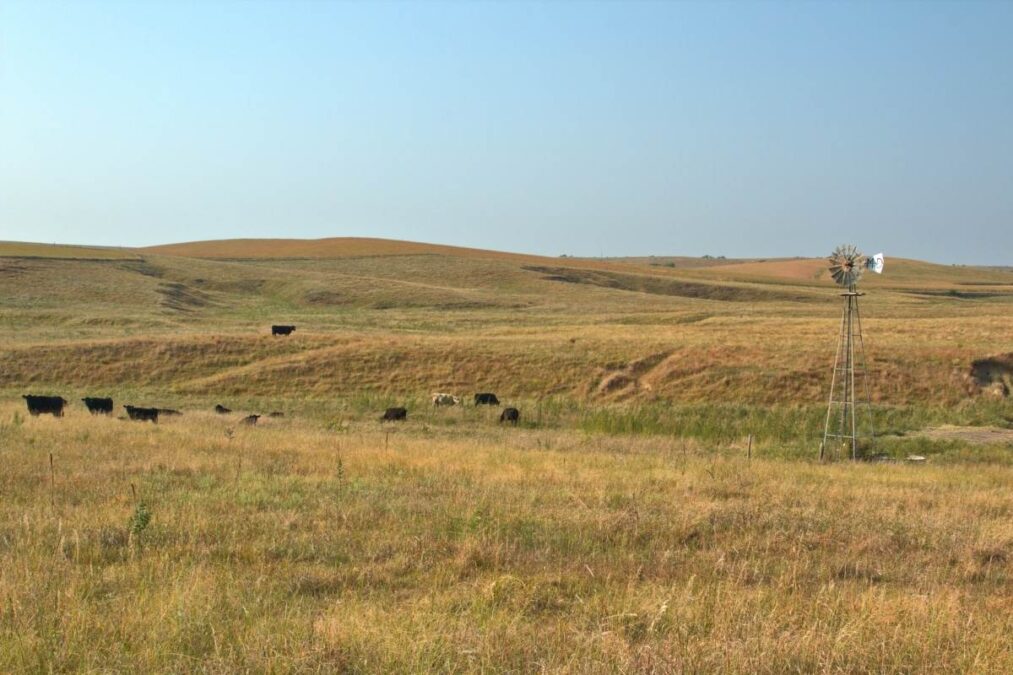
The Sandhills are the largest grass-stabilized sand dune system in the Western Hemisphere, covering 19,000 square miles of rolling green dunes dotted with cattle ranches and spring-fed lakes. Valentine National Wildlife Refuge and surrounding recreation areas provide access to this remarkable landscape. The Cowboy Trail (321 miles) is one of the longest rail-trails in America. Nebraska National Forest at Halsey is the world’s largest hand-planted forest — a 90,000-acre woodland planted by hand in the early 1900s atop sand dunes. The Sandhills offer some of the darkest night skies in the continental US, making it exceptional for stargazing.
Platte Valley — Central Nebraska
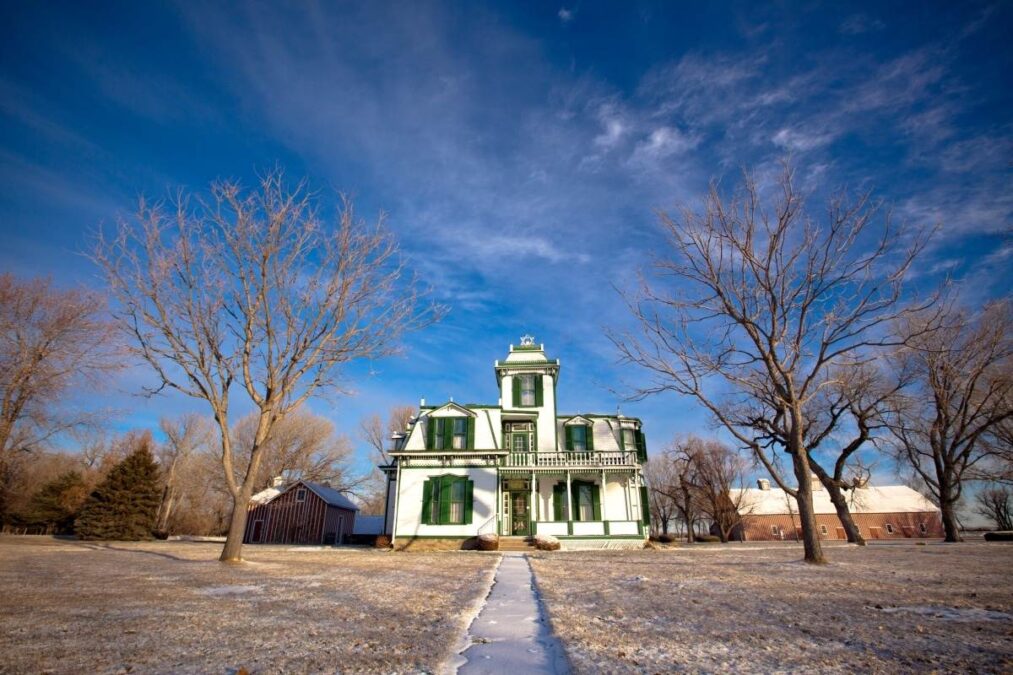
Lake McConaughy State Recreation Area — “Big Mac” — is Nebraska’s largest reservoir with 76 miles of white-sand shoreline and crystal-clear water. Yes, white sand in Nebraska. It’s the state’s top summer recreation destination for swimming, boating, and beach camping. Lake Ogallala SRA below the dam offers nationally-recognized cold-water trout fishing. Buffalo Bill Ranch SRA near North Platte preserves the famous showman’s frontier mansion. Each March, over 500,000 Sandhill cranes gather along the Platte River in one of nature’s greatest wildlife spectacles — viewable from blinds near Kearney.
Eastern Nebraska
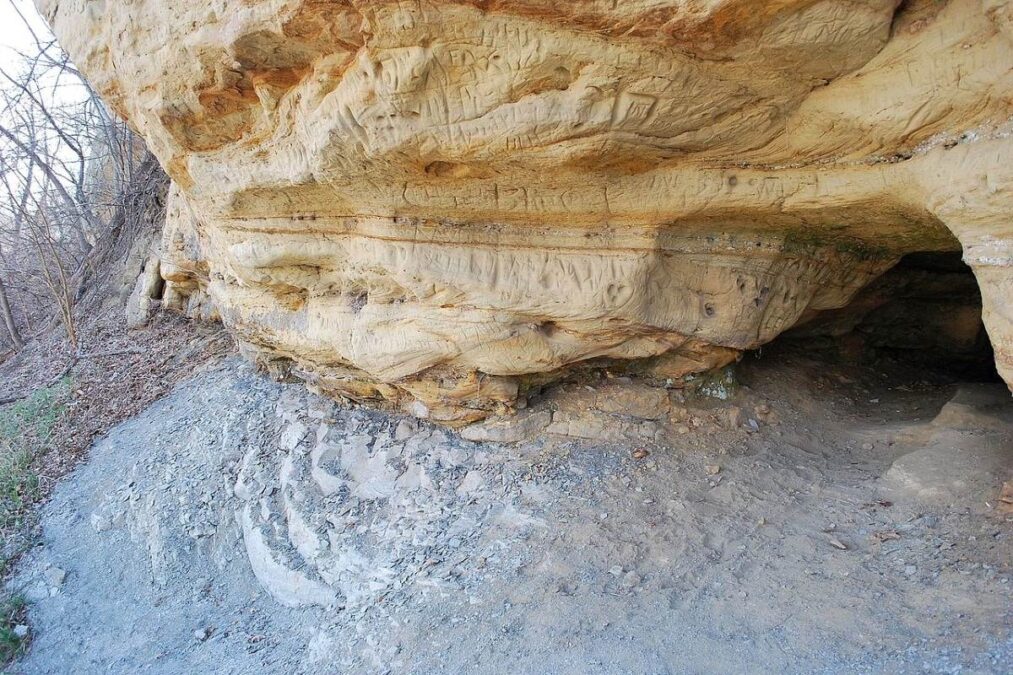
Mahoney State Park between Omaha and Lincoln is the star of the system — a year-round destination with a lodge, aquatic center, indoor playground, treetop ropes course, observation tower, ice skating, and “treetop cabins” that sleep large groups. Indian Cave State Park features ancient petroglyphs, Missouri River bluff hiking, and the best fall foliage in the state. Ponca State Park on the Missouri National Recreational River bluffs offers modern cabins and unique straw-bale “Green Cabins” with full kitchens and Wi-Fi — an eco-friendly lodging innovation. Platte River State Park between Omaha and Lincoln offers modern cabins, glamping tents, and a nature center.
Camping & Lodging Guide
| Accommodation | Where | Price Range | Highlights |
|---|---|---|---|
| Historic Fort Quarters | Fort Robinson SP | $70–$200/night | 1874–1909 officer’s quarters; sleeps 2–60; bison nearby |
| Treetop Cabins | Mahoney SP | $150–$250/night | Modern cabins; full kitchen; year-round; aquatic center |
| Straw-Bale Green Cabins | Ponca SP | $100–$150/night | Eco-friendly; full kitchen, Wi-Fi, gas grill |
| Rustic Pine Cabins | Chadron SP (22) | $50–$100/night | Furnished w/ stove, fridge, utensils; seasonal |
| Modern Cabins | Platte River SP, Ponca SP | $80–$150/night | Full amenities; screened porches |
| Beach Camping | Lake McConaughy SRA | $10–$25/night | 76 miles of white-sand shoreline; primitive & electric |
Booking tip: Nebraska cabin reservations open 1 year in advance and popular locations (Mahoney, Fort Robinson) fill fast — especially summer weekends and fall foliage season at Indian Cave. Most parks require a 2-night minimum on weekends, but Chadron and Fort Robinson allow 1-night stays even on weekends. Check-in is typically 4pm (Fort Robinson: 5pm). Don’t forget your vehicle entry permit ($35/$55 annual).
Insider Tips
🦬 Local Knowledge
- Fort Robinson frontier sleepover: You literally sleep in converted 1874 frontier fort buildings — officer’s quarters and enlisted barracks. Book the stagecoach ride, the buffalo stew cookout, and the hayrack breakfast for the full frontier experience.
- Sandhill Crane migration: Half a million cranes on the Platte River in March is one of nature’s greatest spectacles. Book viewing blinds near Kearney through Audubon’s Rowe Sanctuary — 2026 dates fill fast.
- Lake McConaughy white sand: People are genuinely shocked by Big Mac’s 76 miles of white-sand beach. Beach camping is largely primitive — bring shade structures, as there are almost no trees on the shoreline.
- Ponca Green Cabins: These straw-bale eco-cabins are a hidden gem — full kitchen, Wi-Fi, gas grill, and a Missouri River bluff location. They feel like boutique Airbnbs.
- Sandhills dark sky: The Sandhills region has some of the darkest night skies in the continental US. Merritt Reservoir SRA near Valentine is an unofficial dark-sky hotspot — bring binoculars for Milky Way viewing.
- Indian Cave fall foliage: Indian Cave SP along the Missouri River has the best fall color in Nebraska — peak typically mid-October. The annual “Haunted Hollow” Halloween event draws thousands.
Best Parks by Activity
Best for Hiking
- Fort Robinson SP — Butte trails through 22,000-acre rangeland
- Indian Cave SP — Missouri River bluff trails with petroglyphs
- Chadron SP — Pine Ridge ponderosa forest trails
- Ponca SP — River bluff overlooks on the Missouri
Best for Lake Recreation
- Lake McConaughy SRA — 76 miles of white-sand beach; boating, swimming
- Lake Ogallala SRA — Nationally-recognized trout fishing below the dam
- Calamus Reservoir SRA — Sandhills lake recreation; walleye fishing
- Lewis and Clark Lake SRA — Missouri River reservoir with marina
Best for History
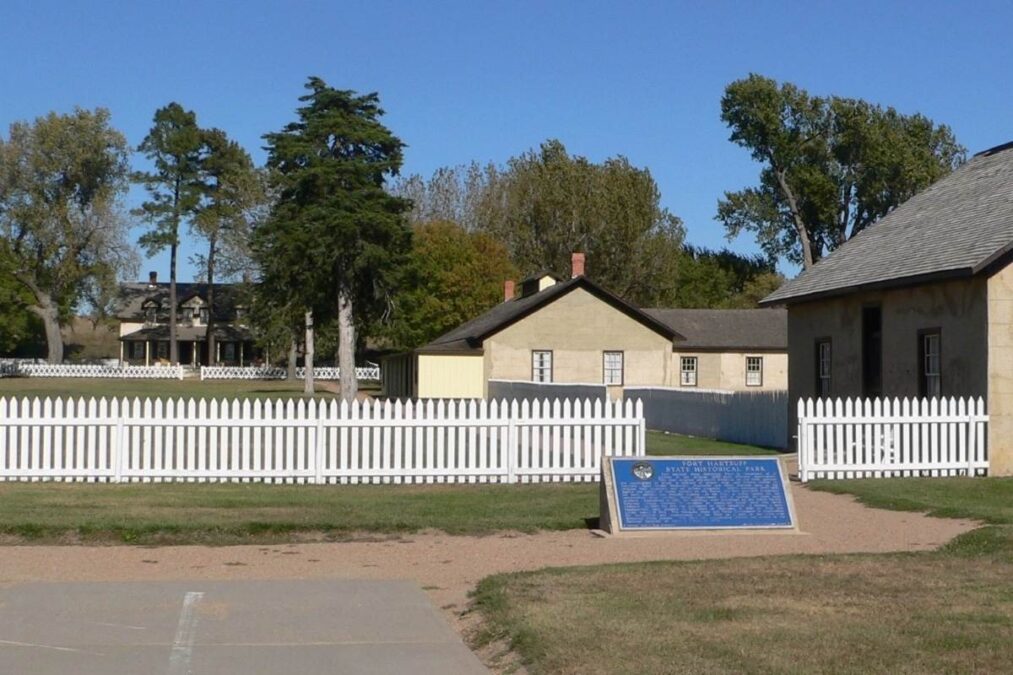
- Fort Robinson SP — Frontier military post (1874–1948) with museums
- Buffalo Bill Ranch SRA — Wild West showman’s frontier mansion
- Indian Cave SP — Ancient petroglyphs and frontier village
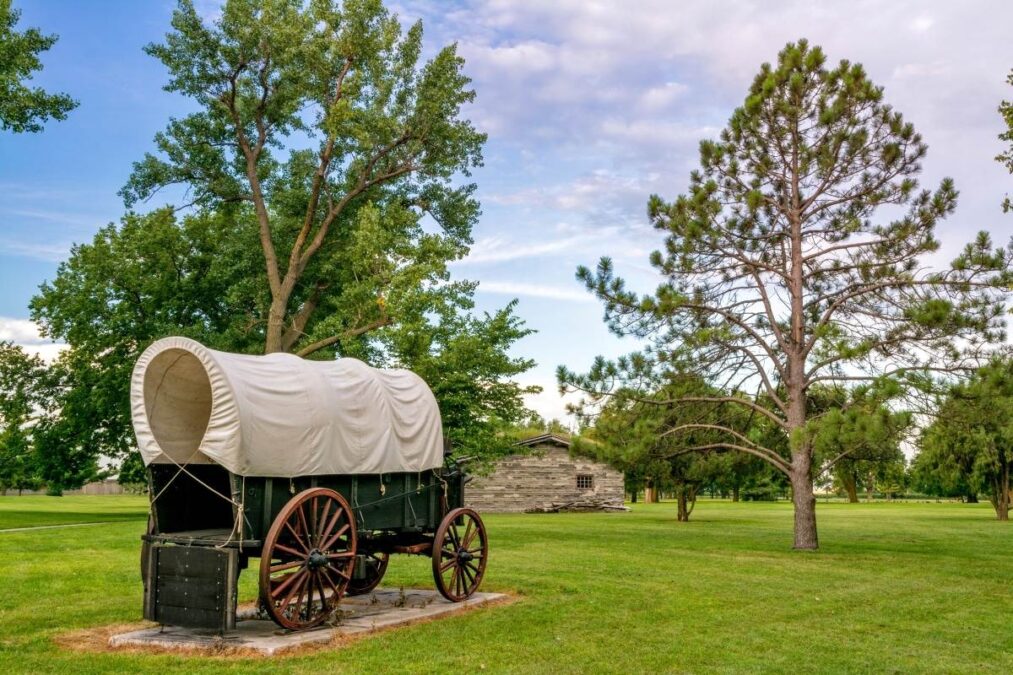
- Ash Hollow State Historical Park — Oregon Trail ruts and fossils
Best for Families
- Mahoney SP — Aquatic center, treetop ropes, observation tower, year-round
- Lake McConaughy SRA — White-sand beach swimming and camping
- Fort Robinson SP — Horseback rides, stagecoach, bison viewing
- Platte River SP — Modern cabins, glamping, nature center
When to Visit
| Season | Highlights | Crowds |
|---|---|---|
| Spring (Mar–May) | Sandhill crane migration (March), wildflowers, cabin season opens | Low–Moderate |
| Summer (Jun–Aug) | Lake McConaughy beach season, camping, all facilities open | High |
| Fall (Sep–Nov) | Indian Cave foliage, Haunted Hollow, fewer crowds | Moderate |
| Winter (Dec–Mar) | Bald eagle viewing, Mahoney lodge stays, quiet Pine Ridge trails | Very Low |
FAQs
Do I need a permit for Nebraska state parks?
Yes — a vehicle entry permit is required ($35/year resident, $55/year non-resident, or $6–$8 daily). Permits are available online at outdoornebraska.gov and at park offices.
What is the Sandhill crane migration?
Every March, over 500,000 Sandhill cranes gather along Nebraska’s Platte River near Kearney during their annual migration from Mexico to Canada — one of the world’s greatest wildlife spectacles. Book viewing blinds through Audubon’s Rowe Sanctuary.
Can I really find white-sand beaches in Nebraska?
Yes! Lake McConaughy (“Big Mac”) has 76 miles of white-sand shoreline — genuinely comparable to coastal beaches. The sand results from unique geological deposits. It’s Nebraska’s most popular summer destination.
Can I sleep in a historic frontier fort?
Yes! Fort Robinson State Park lets you stay in converted 1874–1909 officer’s quarters and barracks — complete with kitchens and baths. Rooms sleep 2 to 60 people, making it ideal for family reunions. Stagecoach rides and buffalo stew cookouts complete the experience.
What are the straw-bale cabins at Ponca?
Ponca State Park’s “Green Cabins” are built from straw bales — an eco-friendly construction method that provides excellent insulation. They come with full kitchens, Wi-Fi, gas grills, and outstanding Missouri River bluff views. They feel more like boutique Airbnbs than typical park cabins.
When is the best time for fall foliage in Nebraska?
Indian Cave State Park along the Missouri River has the best autumn color in the state, typically peaking mid-October. The park’s annual “Haunted Hollow” Halloween event draws thousands of visitors.
Cranes, frontier forts, and white-sand lakes — explore Nebraska’s 77 park areas.