Assateague State Park
🏆 Maryland’s Wild Horse Beach — 855 acres on a pristine barrier island with 2 miles of Atlantic beach, 345 oceanside campsites, 300+ wild horses roaming free, and over 200 bird species in the coastal ecosystem
Why Assateague Is Maryland’s Most Unforgettable State Park
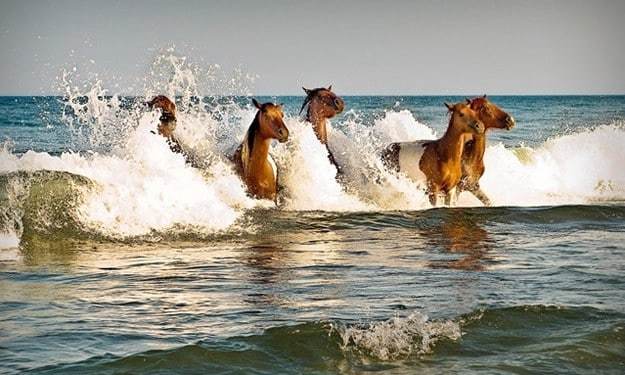
There is no preparation for the first time you see a wild horse standing on a windswept Atlantic beach, salt spray beading on its mane, completely indifferent to your presence. That scene — primal, incongruous, unforgettable — plays out daily at Assateague State Park, the only oceanfront state park in Maryland, where over 300 feral ponies share a thin barrier island with campers, beachgoers, and 200+ species of migratory birds.
Located in Worcester County on the northern tip of Assateague Island, the state park occupies 855 acres of the 37-mile-long barrier island that stretches into Virginia. The island is shared with Assateague Island National Seashore and the Chincoteague National Wildlife Refuge, creating a continuous wilderness corridor that has been shaped entirely by wind, waves, and wild animals.
The Wild Horses: Understanding the Herd
The wild ponies of Assateague are the park’s most iconic residents. Over 300 feral horses roam the island freely, feeding on saltmarsh cordgrass, dune grasses, bayberry twigs, rosehips, and persimmons. They are frequently spotted in campgrounds, on beaches, and along roadsides. Despite their calm demeanor, these are wild animals — the park requires all visitors to maintain a distance of at least 40 feet and to secure all food, as the horses will investigate and consume human food if given the opportunity.
| Wild Horse Facts | Details |
|---|---|
| Population | 300+ feral horses across the island |
| Origin Theory | Descended from colonial-era domestic horses, possibly from a Spanish shipwreck |
| Diet | Saltmarsh cordgrass, dune grasses, bayberry, rosehips |
| Safe Distance | Minimum 40 feet at all times |
| Virginia Herd | Managed separately by the Chincoteague Volunteer Fire Company |
Two Miles of Atlantic Beach
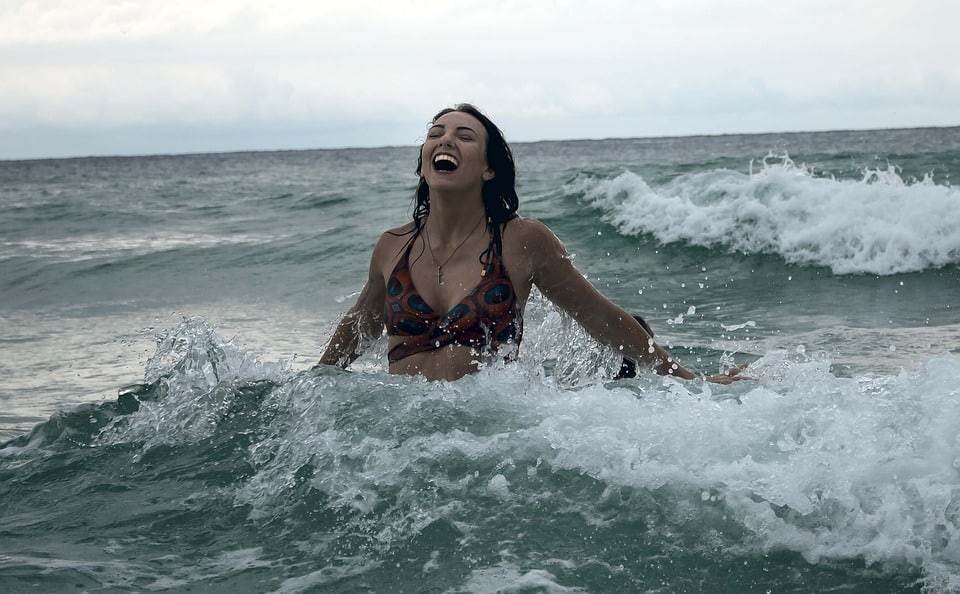
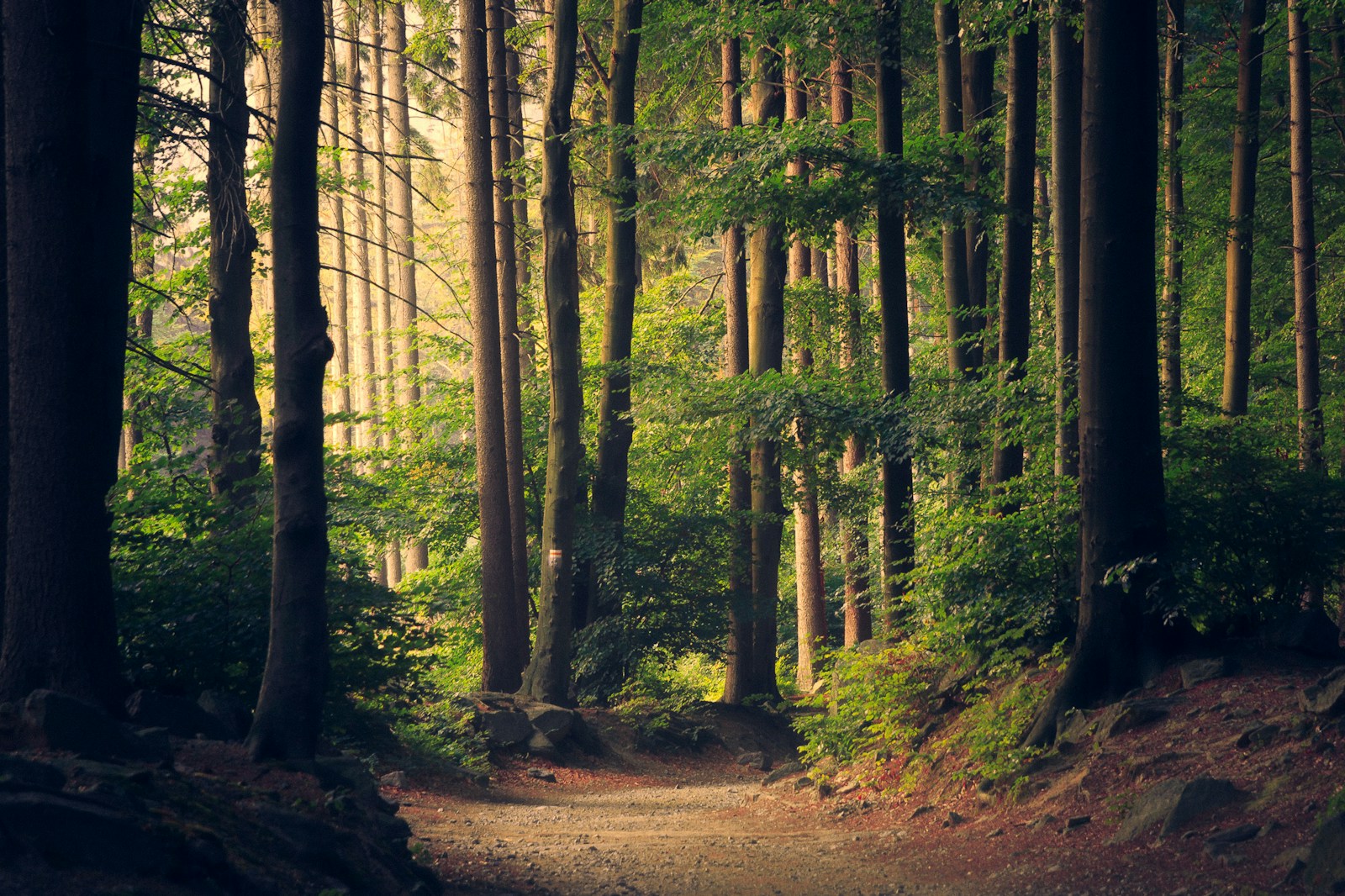
Assateague’s beach is unlike any other on the Atlantic coast. There are no boardwalks, no shops, no high-rises — just two miles of wide, clean sand backed by dune grass and maritime forest. Swimming is permitted anywhere along the ocean, with a designated swim sector at the Day Use beach staffed by lifeguards from Memorial Day to Labor Day (10 AM–5 PM). Outside these times and areas, swimming is at your own risk.
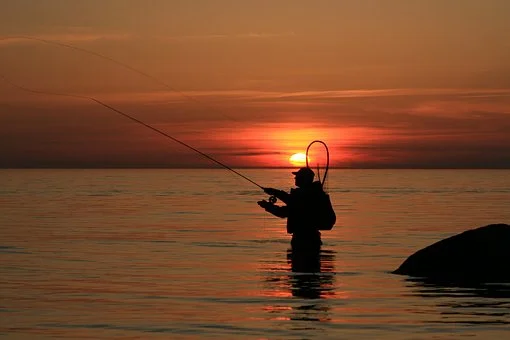
Surfing and boogie boarding are popular along the beach, and the consistent Atlantic swell draws surfers from the Baltimore-Washington metro area. Beachcombing yields shells, sea glass, and the occasional horseshoe crab. Surf fishing from the beach requires no special permit beyond a Maryland fishing license.
Camping Steps from the Ocean
| Camp Area | Sites | Amenities | Best For |
|---|---|---|---|
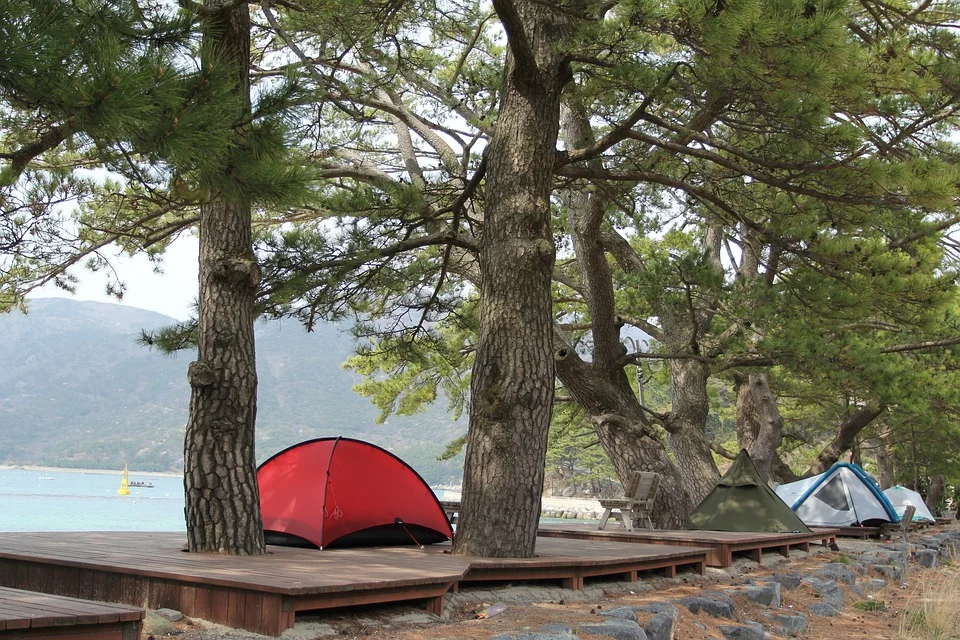
| Oceanside | 200+ | Steps from beach; bathhouse; tent/RV | Beach access; sunrise views |
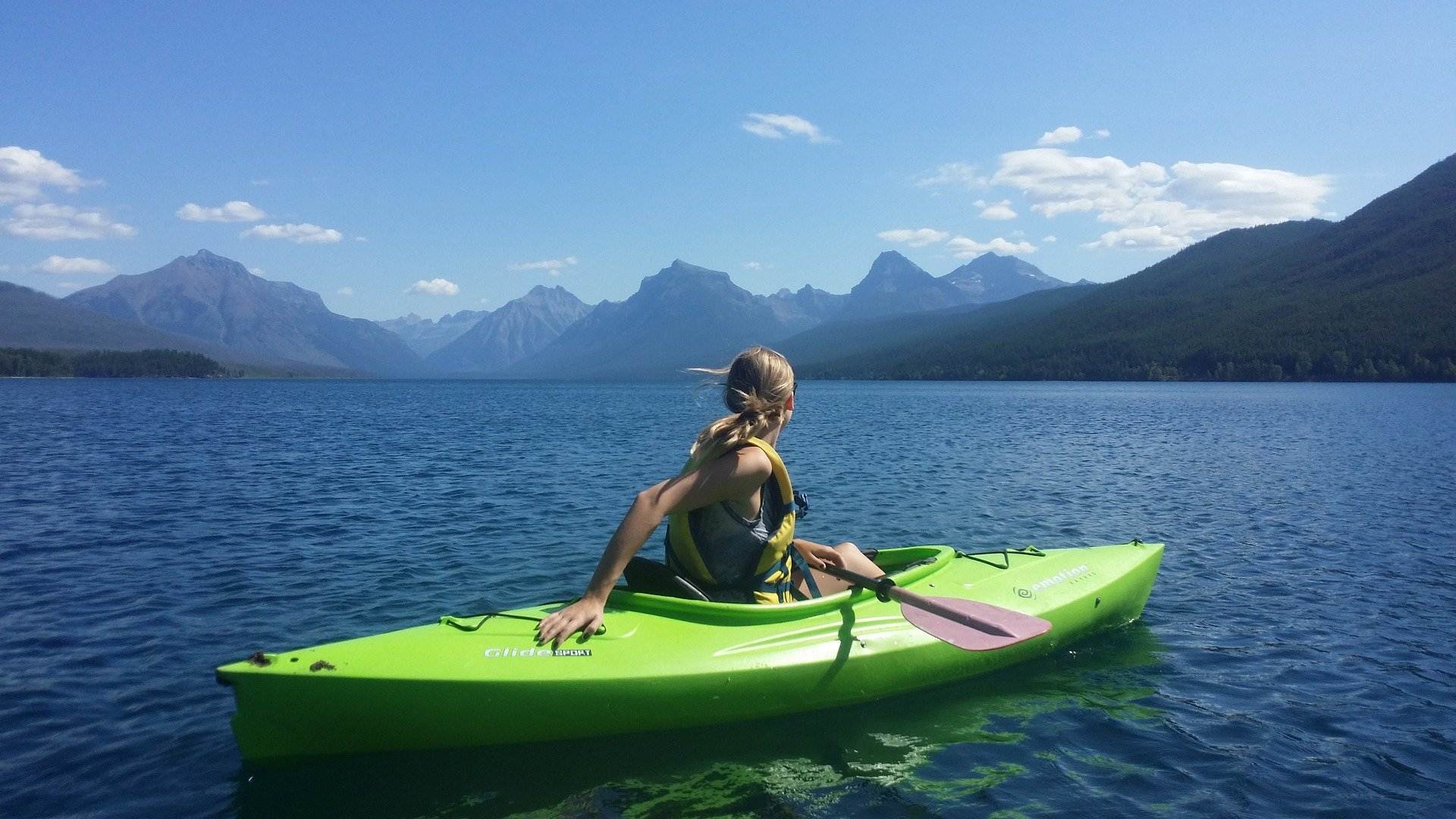
| Bayside | 100+ | Wind-sheltered; closer to marsh | Birding; kayaking; calm waters |
| All Sites | 345 total | Hot showers; flush toilets; dump station | No electric/water hookups |
Birding and Wildlife
Assateague Island lies within a major Atlantic Flyway migration corridor, making the park one of the East Coast’s premier birding destinations. Over 200 species have been documented, including snowy egrets, great blue herons, piping plovers (federally threatened), ospreys, peregrine falcons, and massive flocks of snow geese in winter. The bayside marshes are particularly productive for wading birds, while shorebirds concentrate on the beach and tidal flats.
Best Time to Visit
| Season | Weather | Crowds | Best For |
|---|---|---|---|
| Early Fall (Sep-Oct) | 65-78°F | Moderate | Best weather; fewer bugs; bird migration; horse viewing |
| Summer (Jun-Aug) | 80-90°F | Very High | Swimming; lifeguards on duty; warmest water |
| Spring (Apr-May) | 55-70°F | Low | Wildflowers; nesting shorebirds; fewer mosquitoes early |
| Winter (Dec-Mar) | 35-45°F | Very Low | Snow geese; solitude; beach walks; no bugs |
⚠️ Mosquito Warning
Assateague is notorious for aggressive mosquitoes, particularly from June through August. Bring heavy-duty repellent (DEET-based recommended), wear long sleeves at dusk, and consider a head net during peak mosquito season. The bayside is generally worse than the oceanside.
🐴 Meet the Wild Horses of Maryland
Camp steps from the Atlantic, watch wild horses wander your campground, and experience one of the last undeveloped barrier islands on the East Coast.
Frequently Asked Questions
Can I pet or feed the wild horses?
No. All visitors must stay at least 40 feet from wild horses at all times. Feeding the horses is strictly prohibited — human food causes serious health problems and makes the animals dangerous. The horses may appear tame but can kick, bite, and charge without warning.
Are there hookups at the campsites?
No. Assateague State Park campsites are primitive — no electric, water, or sewer hookups. Bathhouses with hot showers, flush toilets, and a dump station are available. RVs are welcome but must be self-contained. Campground generators are restricted to certain hours.
When is the best time to avoid mosquitoes?
Late September through early November offer comfortable temperatures, low crowds, and minimal insect activity. If visiting in summer, choose oceanside campsites where sea breezes reduce mosquito pressure, and avoid dusk outings near the bayside marshes.