🌤 Weather at Bear Hill Wildlife Management Area by season
| Spring | Summer | Fall | Winter |
|---|---|---|---|
| 23–69 °F | 53–82 °F | 29–72 °F | 15–38 °F |
Each range runs from the coldest monthly average low to the warmest monthly average high in that season (1991-2020 climate normals), measured at Bakersville, 1 mi away, elevation 686 ft. Conditions at the park can differ from the station, especially where elevation differs — check a forecast before you go.

🏆 Upland Forest — Forested upland wildlife habitat in the Connecticut hills
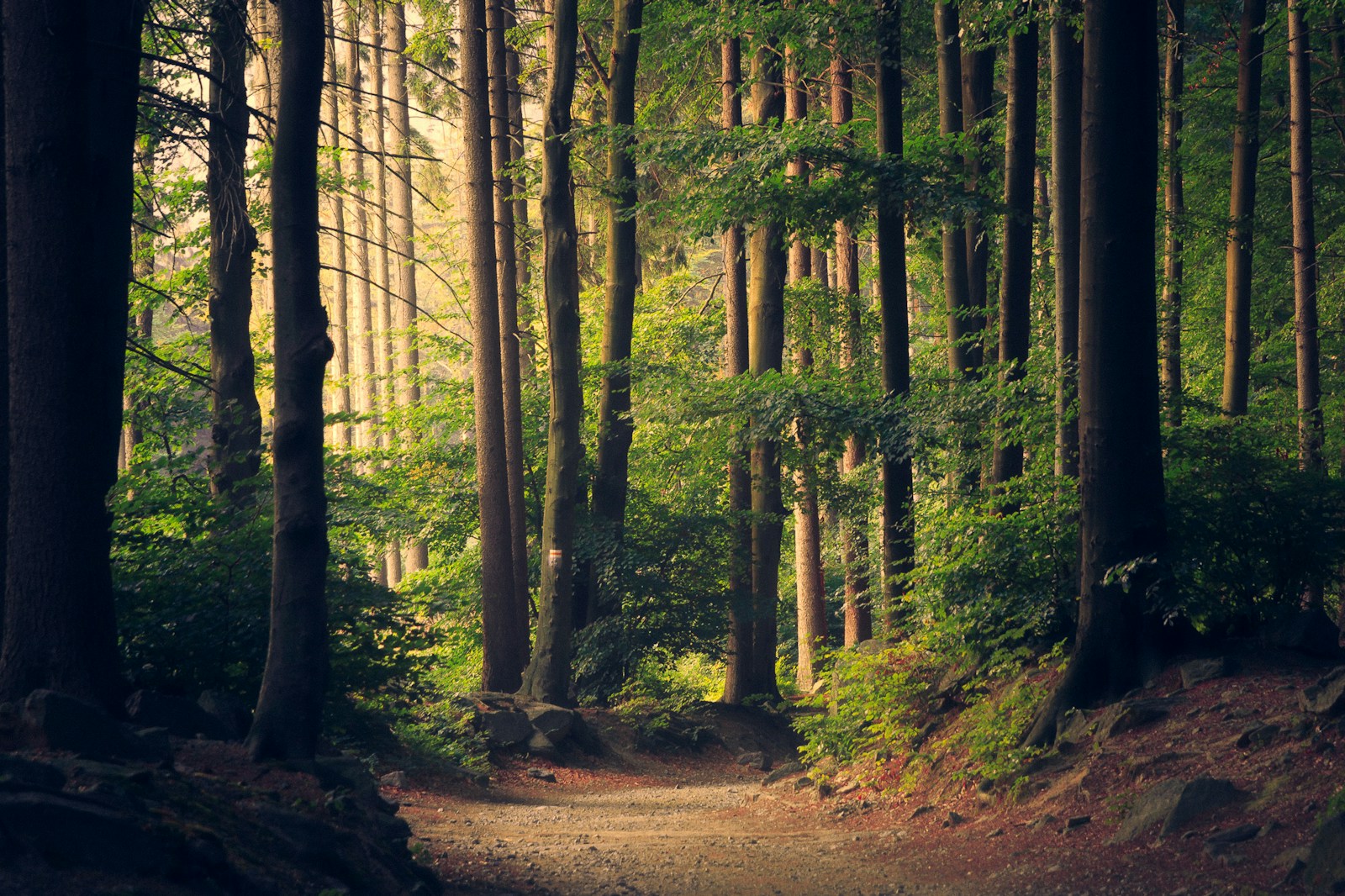
Bear Hill Wildlife Management Area protects upland hardwood forest and wildlife habitat in the Connecticut hills. The oak and hickory forest provides critical mast production (acorns and nuts) that supports white-tailed deer, wild turkey, black bear, and numerous songbird species. Connecticut’s black bear population has grown dramatically in recent decades — from near-zero in the 1980s to over 1,200 bears today, a remarkable conservation success story.
Visitor Information
| Detail | Information |
|---|---|
| Location | Connecticut hills |
| Entry Fee | Free |
| Wildlife | Deer, turkey, BLACK BEAR (1,200+!) |
Frequently Asked Questions
Are there really bears in Connecticut?
Yes! Connecticut’s black bear population has grown from near-zero in the 1980s to over 1,200 bears today. Most are in the northwestern hills, but bears are now found statewide — a remarkable wildlife recovery story.
What are the Litchfield Hills?
The Litchfield Hills are the rolling, forested hills of northwest Connecticut — the southern end of the Berkshire range. Historic villages (Litchfield, Kent, Salisbury) feature white-steepled churches, stone walls, and colonial homes. The area has been a retreat for NYC’s elite since the 1800s. The Housatonic River provides excellent fishing. The landscape embodies the idealized New England that Americans imagine.
About Bear Hill
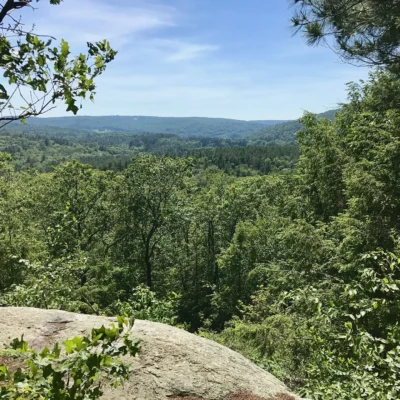
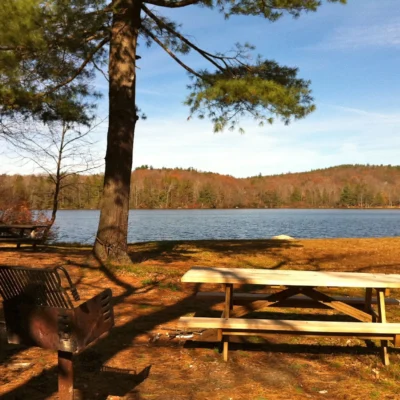
Bear Hill Wildlife Management Area in Bozrah covers forested hillside and wetlands in eastern Connecticut’s Yantic River watershed. The mixed oak-hickory forest provides excellent habitat for wild turkey, white-tailed deer, and migratory songbirds. Black bears — once extirpated from Connecticut — have been increasingly spotted in this area as the state’s bear population recovers.
Things to Do
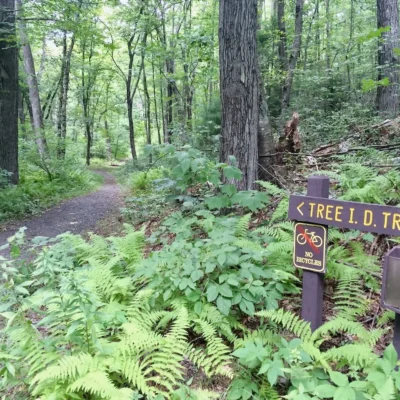
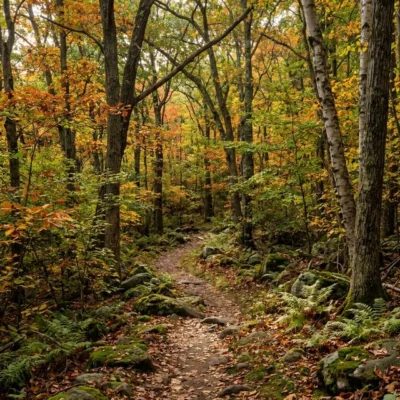
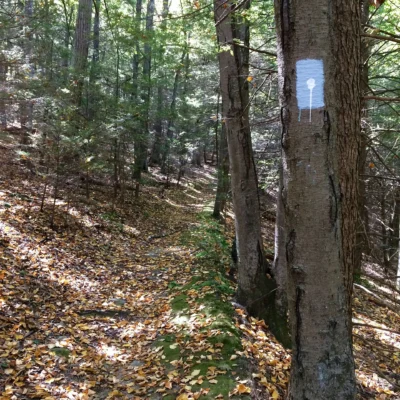
Hunting (deer, turkey, small game), hiking the unmarked woodland trails, birdwatching for forest species, and wildlife observation. The area’s diverse forest provides excellent fall foliage viewing.
Insider Tips
Litchfield Hills: Bear Hill sits in the Litchfield Hills — CT’s most rural and scenic region. Pro tip: The Litchfield Hills have attracted artists, writers, and NYC weekenders for generations — the landscape inspired the “genteel countryside” aesthetic of New England. Covered bridges: CT has several surviving covered bridges — the Bull Bridge over the Housatonic River is one of the most photographed.
Best Time to Visit
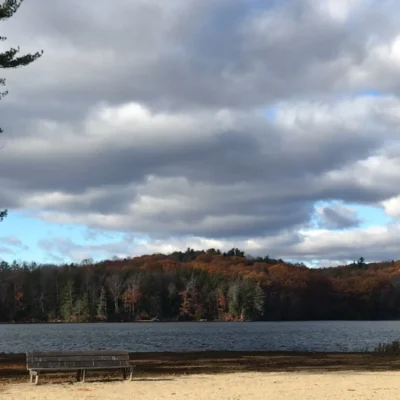
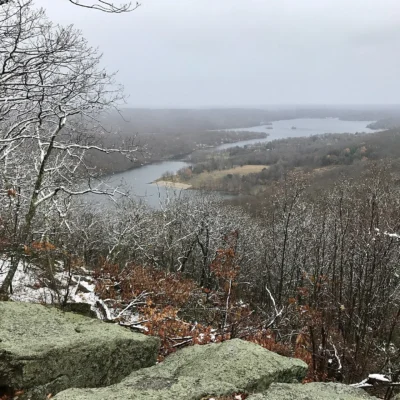
Fall: Peak New England foliage. Spring: Wildflowers and trout. Summer: Cool mountain air. Winter: Snow-covered hills.
Wildlife & Nature
Bear Hill’s mixed hardwood forest and rocky terrain provide habitat for Connecticut’s recovering black bear population — the state’s bears primarily inhabit the northwestern highlands but are expanding their range statewide. The rocky outcrops support five-lined skinks — Connecticut’s only lizard species — which bask on sun-warmed stone. Timber rattlesnakes, once common throughout Connecticut, survive in a few rocky, south-facing hillsides. The forest floor supports colonies of pink lady’s slippers and other native orchids. Hawks and eagles use the thermals created by the rocky ridgeline for soaring — red-tailed hawks and broad-winged hawks are common.
Nearby Attractions
Talcott Mountain State Park features the Heublein Tower at 1,000 feet — one of the best viewpoints in the Connecticut River Valley. Penwood State Park offers ridge hiking with views of the Hartford skyline and Farmington Valley. The Mark Twain House and Harriet Beecher Stowe Center in Hartford — two literary giants who were neighbors on Nook Farm — offer fascinating tours. Elizabeth Park in Hartford contains the oldest municipal rose garden in the US (100+ varieties). The New England Air Museum houses 100+ aircraft including rare WWII fighters.
Keep exploring: The closest neighbors are Nepaug State Forest (a short drive away) and Satan’s Kingdom State Recreation Area (a short drive away).
🐻 Visit Bear Hill WMA
Bear country — CT’s growing black bear population in the upland hills.

🐾 Dogs & Pets at Bear Hill Wildlife Management Area
- Pets allowed? statewide rule
- Pets on a leash are permitted in most Connecticut state parks and forests, but not in buildings, swimming areas or state park campgrounds.
- Leash rule statewide rule
- Pets must be leashed and under control at all times; in state forest camping areas the leash may be no longer than 7 feet.
- Beaches & swim areas statewide rule
- Pets are prohibited in swimming areas; Sherwood Island and Squantz Pond State Parks ban pets entirely April 15 - September 30.
- Cabins & lodging statewide rule
- Pets are banned from all state park campgrounds; they are allowed only in the American Legion, Pachaug and Salt Rock state forest campgrounds, but not on rustic cabin sites.
- Statewide exceptions statewide rule
- Pets prohibited year-round at Dinosaur State Park and in the formal gardens and beach at Harkness Memorial State Park.
Are dogs allowed at Bear Hill Wildlife Management Area?
Pets on a leash are permitted in most Connecticut state parks and forests, but not in buildings, swimming areas or state park campgrounds. Individual parks can post stricter rules — check signage on arrival.
Rules verified July 2026 via portal.ct.gov. More: Connecticut state parks guide · Dog rules in all 50 states compared
Park Location
Plan your gear for Bear Hill Wildlife Management Area
From our editorial guides, matched to this park’s activities:

Top Tours & Activities Near Hartford
 from $143
 from $158
 from $143