🌤 Weather at Belding Wildlife Management Area by season
| Spring | Summer | Fall | Winter |
|---|---|---|---|
| 24–70 °F | 55–84 °F | 30–75 °F | 14–39 °F |
Each range runs from the coldest monthly average low to the warmest monthly average high in that season (1991-2020 climate normals), measured at Barkhamsted, 4 mi away, elevation 710 ft. Conditions at the park can differ from the station, especially where elevation differs — check a forecast before you go.

🏆 Farmington Valley Wetland — Wetland and upland habitat along the Farmington River corridor
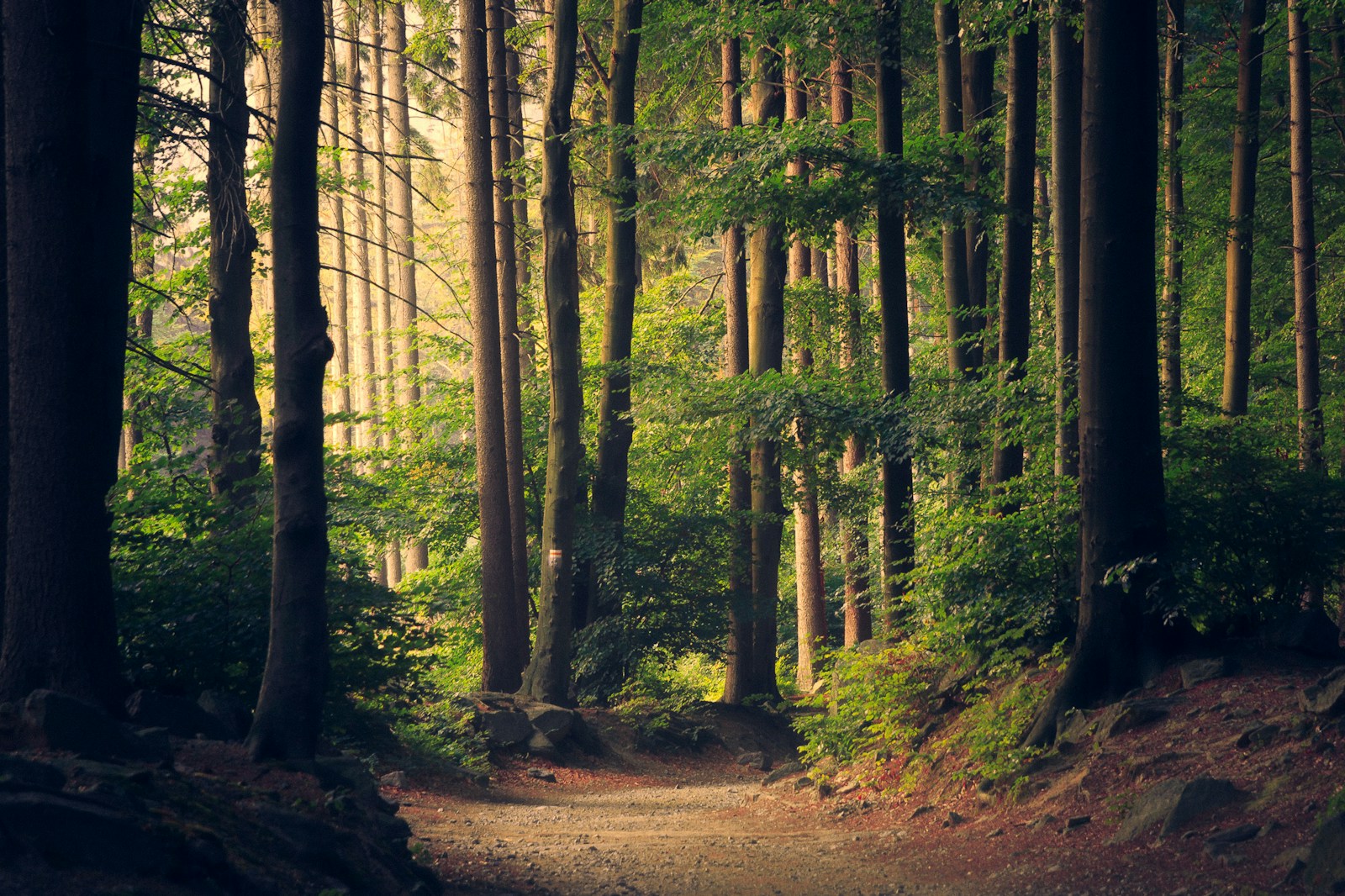
Belding Wildlife Management Area protects wetland and upland forest along the Farmington River corridor in north-central Connecticut. The Farmington River is one of only two rivers in Connecticut designated as a National Wild and Scenic River — recognized for its outstanding recreational and ecological values. The WMA provides habitat for migratory waterfowl, wading birds, and river otter along this protected river corridor.
Visitor Information
| Detail | Information |
|---|---|
| Location | Farmington River, CT |
| Entry Fee | Free |
| River | National Wild & Scenic River! |
| Wildlife | River otter, waterfowl |
Frequently Asked Questions
Can I fish the Farmington River?
The Farmington is Connecticut’s premier trout river — one of the best cold-water fisheries in southern New England, with wild brown trout and stocked trout. A CT fishing license is required.
CT grows tobacco?
Yes — Connecticut shade tobacco has been grown in the Connecticut River valley since the 1800s. Tobacco is grown under cheesecloth shade tents that produce the thin, delicate leaves prized as premium cigar wrappers. Connecticut Shade wrappers are among the most expensive in the world — used by premium cigar makers globally. The ghostly white shade tents are a distinctive sight in the valley each summer.
About Belding
Belding Wildlife Management Area in Vernon sits along the Tankerhoosen River in the greater Hartford area. The area protects riparian wetlands and upland forest, providing valuable wildlife habitat in an increasingly developed part of the state. The river corridor is important for fish passage and bird migration.
Things to Do
Birdwatching along the river corridor, fishing in the Tankerhoosen River, hunting (seasonal), and nature walks through the wetland-forest transition zone. The area supports nesting wood ducks and great blue herons.
Insider Tips
Connecticut River: Belding sits in the Connecticut River valley — New England’s longest river (410 miles) and America’s first National Blueway. Pro tip: The Connecticut River was once so polluted that raw sewage and industrial waste made it lifeless — cleanup since the 1970s has restored shad runs and bald eagle nesting. Tobacco: The Connecticut River valley grows shade tobacco — used for premium cigar wrappers.
Best Time to Visit
Spring: Shad run and migrating birds. Fall: River valley foliage. Summer: River access. Winter: Eagle watching.
Wildlife & Nature
Belding WMA provides managed grassland and early successional habitat — increasingly rare in forested Connecticut. These open habitats support declining species like Eastern meadowlarks, bobolinks, and grasshopper sparrows that require fields and meadows for nesting. The wildlife management area is actively managed through mowing, prescribed burning, and planting to maintain these open conditions. Without management, Connecticut’s fields would naturally succeed to forest within 20-30 years. White-tailed deer are abundant — Connecticut has one of the densest deer populations in the US, creating challenges for forest regeneration and agriculture.
Nearby Attractions
Dinosaur State Park in Rocky Hill preserves 500+ dinosaur tracks from the Jurassic period (200 million years ago) — one of the largest trackway sites in North America. The Connecticut Science Center in Hartford offers interactive exhibits overlooking the Connecticut River. Wethersfield — one of the oldest towns in Connecticut (1634) — has a beautifully preserved historic district. Comstock, Ferre & Co. in Wethersfield is the oldest continuously operating seed company in America (since 1820). The Charter Oak story — Connecticut’s colonial charter hidden in an oak tree to prevent royal confiscation — is celebrated throughout Hartford.
More parks nearby: Tunxis State Forest is a short drive away, while Satan’s Kingdom State Recreation Area lies a short drive away.

🐾 Dogs & Pets at Belding Wildlife Management Area
- Pets allowed? statewide rule
- Pets on a leash are permitted in most Connecticut state parks and forests, but not in buildings, swimming areas or state park campgrounds.
- Leash rule statewide rule
- Pets must be leashed and under control at all times; in state forest camping areas the leash may be no longer than 7 feet.
- Beaches & swim areas statewide rule
- Pets are prohibited in swimming areas; Sherwood Island and Squantz Pond State Parks ban pets entirely April 15 - September 30.
- Cabins & lodging statewide rule
- Pets are banned from all state park campgrounds; they are allowed only in the American Legion, Pachaug and Salt Rock state forest campgrounds, but not on rustic cabin sites.
- Statewide exceptions statewide rule
- Pets prohibited year-round at Dinosaur State Park and in the formal gardens and beach at Harkness Memorial State Park.
Are dogs allowed at Belding Wildlife Management Area?
Pets on a leash are permitted in most Connecticut state parks and forests, but not in buildings, swimming areas or state park campgrounds. Individual parks can post stricter rules — check signage on arrival.
Rules verified July 2026 via portal.ct.gov. More: Connecticut state parks guide · Dog rules in all 50 states compared
Park Location
Plan your gear for Belding Wildlife Management Area
From our editorial guides, matched to this park’s activities:
Top Tours & Activities Near Hartford
 from $143
 from $79
 from $20