
🌤 Weather at Durham Meadows Wildlife Management Area by season
| Spring | Summer | Fall | Winter |
|---|---|---|---|
| 28–70 °F | 57–84 °F | 32–75 °F | 19–42 °F |
Each range runs from the coldest monthly average low to the warmest monthly average high in that season (1991-2020 climate normals), measured at Meriden Markham Municipal Airport, 8 mi away, elevation 103 ft. Conditions at the park can differ from the station, especially where elevation differs — check a forecast before you go.

🏆 River Meadows — Floodplain meadows along the Coginchaug River — important grassland bird habitat
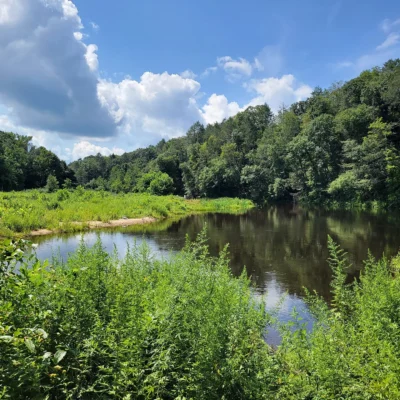
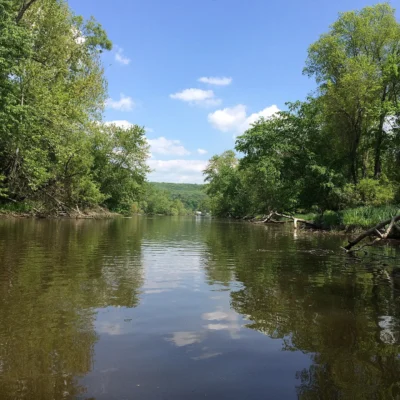
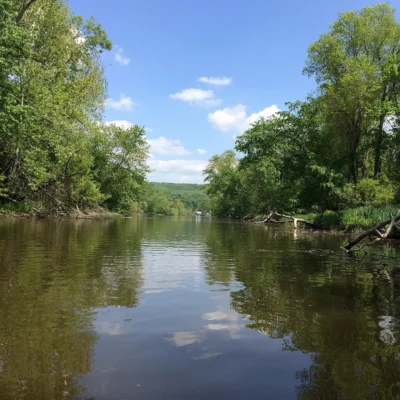
Durham Meadows Wildlife Management Area protects floodplain meadows along the Coginchaug River in Durham. These open meadows are among the last remaining grassland habitats in Connecticut — supporting declining species like bobolinks, eastern meadowlarks, and savannah sparrows. The meadows are maintained through careful mowing schedules designed to protect nesting birds.
Visitor Information
| Detail | Information |
|---|---|
| Location | Durham, Middlesex County, CT |
| Entry Fee | Free |
| Birds | Bobolink, meadowlark (declining!) |
Frequently Asked Questions
Why are grassland birds declining?
As New England farmland has reverted to forest over the past century, birds that depend on open grasslands have lost over 90% of their habitat. These managed meadows are critical refuges.
About Durham Meadows
Durham Meadows Wildlife Management Area preserves a large wetland complex and floodplain along the Coginchaug River in Durham. The meadows flood seasonally, creating productive habitat for waterfowl, wading birds, and fish. The area is part of a broader conservation corridor in the Coginchaug River watershed.
Durham Meadows Wildlife Management Area protects floodplain meadows along the Coginchaug River in Middlesex County — wet meadow habitat that has been disappearing across New England as farming declines and fields revert to forest. Paradoxically, some wildlife species (bobolinks, meadowlarks, grasshopper sparrows) depend on these open agricultural landscapes that Connecticut’s conservation agencies actively maintain through prescribed mowing.
Things to Do
Birdwatching (waterfowl, herons, and marsh birds), hunting (waterfowl and deer seasonal), fishing in the Coginchaug River, and nature walks along the meadow edges.
Birdwatching for grassland specialists (bobolinks in June are spectacular), hunting (seasonal), hiking the meadow edges, and observing active habitat management — how mowing and grazing preserve declining grassland ecosystems.
Wildlife & Nature
Cornwall sits in Connecticut’s most rugged and forested township — one of the few places in the state where wilderness character persists. The Housatonic River flows through a steep-sided valley here, creating river bluffs and hemlock ravines. Bald eagles have established multiple nests along this stretch of the Housatonic. Black bears are frequently sighted — Cornwall has one of the highest bear densities in the state. The Mohawk Trail (not the Massachusetts highway) passes through ancient hardwood forest. Bobcats — secretive and rarely seen — inhabit the rocky ledges. The area supports several rare plant species adapted to the calcium-rich marble bedrock underlying parts of the Litchfield Hills.
Nearby Attractions
West Cornwall Covered Bridge (1841) is one of Connecticut’s most photographed landmarks — a classic red covered bridge spanning the Housatonic River. Housatonic Meadows State Park offers riverside camping and fly fishing in the “Trophy Trout” section. Mohawk Mountain Ski Area in Cornwall — Connecticut’s oldest ski area (1947) — offers night skiing and New England charm. Sharon Audubon Center features raptor aviaries and 11 miles of trails. Cornwall Bridge Pottery has produced handmade stoneware for decades. The Appalachian Trail crosses through Cornwall — the section over Mohawk Mountain is challenging but rewarding.
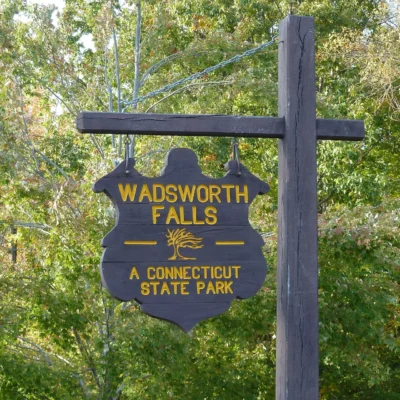
More parks nearby: Tri-Mountain State Park is a short drive away, while Wadsworth Falls State Park lies a short drive away.

🐾 Dogs & Pets at Durham Meadows Wildlife Management Area
- Pets allowed? statewide rule
- Pets on a leash are permitted in most Connecticut state parks and forests, but not in buildings, swimming areas or state park campgrounds.
- Leash rule statewide rule
- Pets must be leashed and under control at all times; in state forest camping areas the leash may be no longer than 7 feet.
- Beaches & swim areas statewide rule
- Pets are prohibited in swimming areas; Sherwood Island and Squantz Pond State Parks ban pets entirely April 15 - September 30.
- Cabins & lodging statewide rule
- Pets are banned from all state park campgrounds; they are allowed only in the American Legion, Pachaug and Salt Rock state forest campgrounds, but not on rustic cabin sites.
- Statewide exceptions statewide rule
- Pets prohibited year-round at Dinosaur State Park and in the formal gardens and beach at Harkness Memorial State Park.
Are dogs allowed at Durham Meadows Wildlife Management Area?
Pets on a leash are permitted in most Connecticut state parks and forests, but not in buildings, swimming areas or state park campgrounds. Individual parks can post stricter rules — check signage on arrival.
Rules verified July 2026 via portal.ct.gov. More: Connecticut state parks guide · Dog rules in all 50 states compared
Park Location
Plan your gear for Durham Meadows Wildlife Management Area
From our editorial guides, matched to this park’s activities:



Top Tours & Activities Near New Haven
 from $28
 from $10
 from $26