🌤 Weather at Lake Thompson Recreation Area by season
| Spring | Summer | Fall | Winter |
|---|---|---|---|
| 21–67 °F | 56–82 °F | 22–72 °F | 5–28 °F |
Each range runs from the coldest monthly average low to the warmest monthly average high in that season (1991-2020 climate normals), measured at De Smet, 3 mi away, elevation 1,705 ft. Conditions at the park can differ from the station, especially where elevation differs — check a forecast before you go.

🏆 South Dakota’s LARGEST Natural Lake — 16,000-acre glacial lake — the largest natural lake in South Dakota and one of the best walleye fisheries in the northern Great Plains
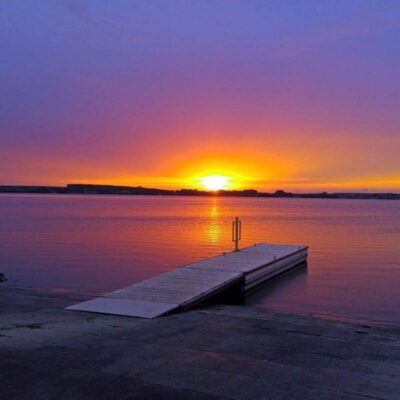
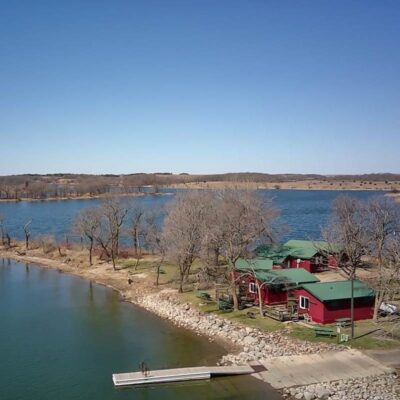
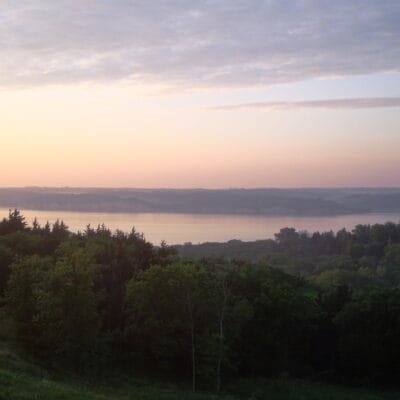
Lake Thompson Recreation Area provides access to Lake Thompson — at 16,000 acres, the largest natural lake in South Dakota. This massive glacial lake in Kingsbury County was formed by glacial meltwater during the last Ice Age. Lake Thompson is one of the premier walleye fisheries in the northern Great Plains — producing trophy walleye exceeding 10 pounds. The lake is also a critical stopover on the Central Flyway, hosting enormous concentrations of migrating waterfowl and shorebirds. During spring migration, over 100,000 snow geese can blanket the lake!
Visitor Information
| Detail | Information |
|---|---|
| Location | Kingsbury County, SD |
| Entry Fee | SD Park Entrance License required |
| Lake | 16,000 acres — SD’s LARGEST natural! |
| Fishing | Trophy walleye 10lb+! |
| Migration | 100,000+ snow geese! |
Frequently Asked Questions
Why is Lake Thompson so big?
Lake Thompson formed when the last glaciers retreated ~12,000 years ago, leaving a massive depression in the prairie that filled with meltwater. Unlike the Missouri River reservoirs (man-made), Thompson is entirely natural — a true glacial lake. Its shallow, nutrient-rich waters produce extraordinary fish and waterfowl habitat.
Why do prairie lakes change size?
Prairie lakes are shallow (often less than 10 feet deep) and highly responsive to precipitation — wet years can double their size, while droughts shrink them dramatically. Lake Thompson has grown significantly since the 1990s as increased rainfall and agricultural drainage add water. These fluctuating lakes are natural features of the prairie — they’ve expanded and contracted for thousands of years.
Keep exploring: The closest neighbors are Lake Louise Recreation Area (within about an hour’s drive) and Lake Poinsett State Park (within about an hour’s drive).
🏆 Visit Lake Thompson Recreation Area
16,000 acres — SD’s largest natural lake, trophy walleye, 100K geese!
Insider Tips
SD’s largest natural lake: Lake Thompson is South Dakota’s largest natural lake — a shallow prairie lake that expands and contracts dramatically with rainfall. Pro tip: The lake has grown significantly in recent decades due to increased precipitation and tile drainage from surrounding farmland. Walleye: Lake Thompson is one of the best walleye lakes in eastern South Dakota.
Best Time to Visit
Summer: Fishing and boating. Fall: Waterfowl migration. Spring: Walleye spawning. Winter: Ice fishing — popular local tradition.
Wildlife & Nature
Lake Thompson RA — on Lake Thompson (16,000 acres) — South Dakota’s largest natural lake. The area’s prairie, lake, and extensive marshes support white pelicans, bald eagles, and ring-necked pheasants. Walleye and perch fill the lake.
Nearby Attractions
De Smet — 15 miles north — the “Little Town on the Prairie” made famous by Laura Ingalls Wilder. Kingsbury County — surrounding.

🐾 Dogs & Pets at Lake Thompson Recreation Area
- Pets allowed? statewide rule
- Pets are allowed in South Dakota state parks and recreation areas, including campgrounds and most trails, but not in park buildings or on designated swim beaches.
- Leash rule statewide rule
- April 1 - September 30: leash no longer than 10 ft required at all times; October 1 - March 31: leash optional but pets must be under immediate control
- Beaches & swim areas statewide rule
- Pets (except service animals) are not allowed on designated swimming beaches
- Cabins & lodging statewide rule
- Dogs and cats allowed in pet-designated lodges, cabins and suites (roughly 40 parks/recreation areas have designated pet-friendly cabins) with payment of a pet accommodation fee
- Pet fees statewide rule
- No day-use or camping pet fee; a pet accommodation fee is charged for pet-designated lodging
- Statewide exceptions statewide rule
- Pets prohibited in all park buildings and on the Summit Trail at Bear Butte State Park
Are dogs allowed at Lake Thompson Recreation Area?
Pets are allowed in South Dakota state parks and recreation areas, including campgrounds and most trails, but not in park buildings or on designated swim beaches. Individual parks can post stricter rules — check signage on arrival.
Rules verified July 2026 via gfp.sd.gov. More: South Dakota state parks guide · Dog rules in all 50 states compared
Park Location
Plan your gear for Lake Thompson Recreation Area
From our editorial guides, matched to this park’s activities:

Top Tours & Activities Near Sioux Falls
 from $110
 from $12
 from $10