

State parks are America's ultimate camping destinations. With lower fees than private campgrounds, fewer crowds than national parks, and a staggering variety of landscapes — from beachfront sites on the Atlantic Coast to alpine meadows in Alaska — state park camping delivers unforgettable experiences at every budget level. Whether you're a first-time tent camper, a seasoned RV traveler, or a family looking for cabin rentals, there's a state park campsite waiting for you.
With over 10,000 state parks across all 50 states, finding the perfect campsite can feel overwhelming. That's where we come in. Use our interactive filter below to search by state, sort by visitor ratings, and discover campgrounds that match your style — complete with campsite types, amenities, and real visitor data from 276 camping-ready state parks.
Explore All State Parks with Camping
Filter camping state parks by state, search by name, or sort by visitor ratings. Click any park for detailed campsite availability, amenities, fees, and insider tips.
 Virginia ♿
 Grayson Highlands State Park
 South Carolina ♿
 Hunting Island State Park
 Tennessee
 Frozen Head State Park
 California
 Mount Diablo State Park
 Minnesota ♿
 Itasca State Park
 California
 Wilder Ranch State Park
 Michigan ♿
 Custer State Park
California Sue Meg State Park
Virginia Cass Scenic Railroad State Park
Ohio Great Council State Park
California Montana de Oro State Park
 Wisconsin
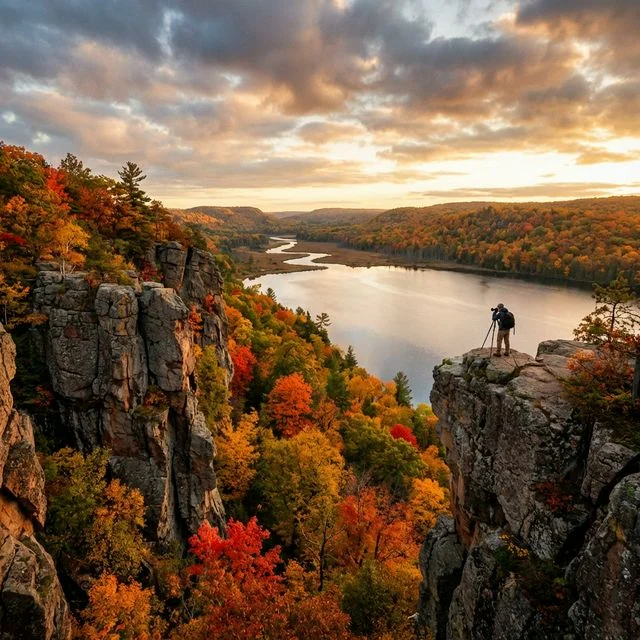
 Exploring Devil’s Lake State Park: Wisconsin’s Outdoor Oasis
Showing 12 of 271 parks
Top 15 State Parks for Camping in America
After evaluating campground quality, scenery, amenities, accessibility, and thousands of visitor reviews, these 15 state parks consistently rank among the best camping destinations in the country. Each one offers a unique camping experience you won't find elsewhere.
| Park | State | Campsites | Camping Types | Best For | Peak Season |
|---|---|---|---|---|---|
| Custer State Park | South Dakota | 329 | Tent, RV, Cabin | Wildlife & Scenic Drives | Jun – Sep |
| Letchworth State Park | New York | 257 | Tent, RV, Cabin | Gorge Views & Waterfalls | May – Oct |
| Devil's Lake State Park | Wisconsin | 407 | Tent, RV, Group | Hiking & Swimming | May – Oct |
| Hunting Island State Park | South Carolina | 130 | Tent, RV, Cabin | Beach Camping | Mar – Nov |
| Palo Duro Canyon State Park | Texas | 114 | Tent, RV, Glamping | Canyon Scenery | Oct – Apr |
| Valley of Fire State Park | Nevada | 72 | Tent, RV (no hookups) | Desert Photography | Oct – Apr |
| Tettegouche State Park | Minnesota | 28 | Tent, Cart-in, Cabin | North Shore Solitude | Jun – Oct |
| Silver Falls State Park | Oregon | 93 | Tent, RV, Cabin | Waterfall Hikes | Jun – Oct |
| Itasca State Park | Minnesota | 211 | Tent, RV, Group | Mississippi Headwaters | Jun – Sep |
| Ohiopyle State Park | Pennsylvania | 218 | Tent, RV, Yurt | Whitewater Rafting | May – Oct |
| Hocking Hills State Park | Ohio | 168 | Tent, RV, Cabin | Cave & Gorge Camping | Apr – Nov |
| Grayson Highlands State Park | Virginia | 89 | Tent, RV, Horse | Wild Ponies & AT Access | May – Oct |
| Starved Rock State Park | Illinois | 133 | Tent, RV, Cabin | Canyon Waterfalls | Apr – Oct |
| Tahquamenon Falls State Park | Michigan | 175 | Tent, RV, Cabin | Upper Peninsula Waterfalls | Jun – Oct |
| Lost Dutchman State Park | Arizona | 134 | Tent, RV (water/elec) | Desert Sunsets | Oct – Apr |
Best Camping State Parks by Region
Northeast
The Northeast delivers fall foliage camping that's simply unmatched. Letchworth State Park offers gorge-side camping above the "Grand Canyon of the East," while Allegany State Park in western New York has over 300 campsites spread across two campground areas. Connecticut's Hammonasset Beach State Park provides rare beachfront camping in the crowded Northeast, and Maine's Baxter State Park offers true backcountry wilderness camping near the northern terminus of the Appalachian Trail.
Southeast
Year-round camping weather makes the Southeast a prime destination. Hunting Island State Park in South Carolina combines beach camping with a historic lighthouse, while Florida's Topsail Hill Preserve features emerald waters and 156 RV sites. Hocking Hills State Park in Ohio draws campers with its dramatic caves and gorges, and Alabama's Gulf State Park offers modern full-hookup sites just steps from white-sand beaches.
Midwest
The Midwest's hidden gems rival any camping destination in the country. Devil's Lake State Park in Wisconsin is the state's most popular park, with 407 campsites and world-class bluff hiking. Custer State Park in South Dakota delivers bison-roaming prairies, granite spires, and nine campgrounds. Minnesota's Tettegouche State Park and Itasca State Park offer Lake Superior cliff camping and the headwaters of the Mississippi River, respectively.
Southwest
Desert camping offers starlit skies and dramatic geology. Palo Duro Canyon State Park — the "Grand Canyon of Texas" — has both traditional campsites and glamping options amid 800-foot canyon walls. Valley of Fire State Park just outside Las Vegas provides stunning red rock camping on a first-come, first-served basis. Lost Dutchman State Park at the base of Arizona's Superstition Mountains is ideal for winter desert camping with electric hookups.
West Coast
The West Coast delivers unparalleled diversity. Silver Falls State Park in Oregon offers forest camping near the famous Trail of Ten Falls. California's Big Sur coastline features multiple state park campgrounds including Pfeiffer Big Sur State Park among towering redwoods. Washington's Moran State Park on Orcas Island provides island camping with old-growth forest and mountain lake swimming.
Mountain West
Grayson Highlands State Park in Virginia sits at over 4,500 feet elevation with wild pony encounters and direct Appalachian Trail access. Dead Horse Point State Park in Utah offers breathtaking mesa-top camping overlooking a 2,000-foot canyon carved by the Colorado River.
Alaska & Hawaii
For the adventurous camper, Chugach State Park in Alaska spans 495,000 acres with glacier views, whale watching, and moose sightings. In Hawaii, Koke'e State Park on Kauai provides tent camping above the stunning Kalalau Valley at 4,000 feet elevation.
Camping Types Compared: Which Is Right for You?
Not all camping is created equal. Here's how the major camping styles compare at state parks:
| Camping Type | Comfort Level | Cost/Night | Equipment Needed | Best For |
|---|---|---|---|---|
| Tent Camping | ⭐⭐ | $15–$30 | Tent, sleeping bag, pad | Budget travelers, couples, solo |
| RV (Full Hookup) | ⭐⭐⭐⭐⭐ | $30–$55 | RV + electrical cord, hose | Families, extended trips, comfort |
| RV (No Hookup) | ⭐⭐⭐⭐ | $20–$35 | RV with battery/tank capacity | Boondockers, remote parks |
| Cabin / Yurt | ⭐⭐⭐⭐ | $50–$150 | Bedding (sometimes provided) | Families, winter camping, beginners |
| Backcountry | ⭐ | $5–$15 | Full backpacking gear | Experienced hikers, solitude |
| Glamping | ⭐⭐⭐⭐⭐ | $75–$250 | Nothing — fully furnished | Luxury seekers, romantic getaways |
How to Reserve a State Park Campsite
Booking a campsite at popular state parks requires strategy. Here's what you need to know:
Reservation Systems by State
Most states use one of these booking platforms:
- ReserveAmerica — Used by the most states (NY, CA, FL, TX, and many more)
- State-specific portals — Oregon, Washington, Minnesota, and others run their own systems
- Recreation.gov — Primarily federal land, but some state parks appear here
Pro Tips for Booking
- Book 3–6 months ahead for peak summer weekends at popular parks
- Set calendar reminders for when reservation windows open — they sell out within minutes for top parks
- Check cancellation calendars — sites frequently open up 1–2 weeks before arrival as plans change
- Weekday camping is dramatically easier to book and often cheaper ($5–$10 less per night)
- First-come, first-served parks still exist — arrive early on Thursday or Friday for the best selection
What It Costs: State Park Camping Budget Guide
One of the biggest advantages of state park camping is affordability. Here's what a realistic camping trip costs:
| Expense | Solo Weekend | Couple Weekend | Family Week |
|---|---|---|---|
| Campsite (per night) | $20 | $25 | $35 |
| Total Campsite (2 nights / 7 nights) | $40 | $50 | $245 |
| Park Entry Fee | $0–$10 | $0–$10 | $0–$10 |
| Firewood | $7 | $7 | $25 |
| Food & Supplies | $30 | $60 | $200 |
| Gas (avg. 200 mi roundtrip) | $25 | $25 | $50 |
| Total Estimated Cost | $102 | $152 | $530 |
Save even more with state park annual passes. Most states offer annual passes ($25–$75) that waive or reduce daily entry fees and sometimes include camping discounts of 10–50%. If you camp more than 3–4 weekends per year, an annual pass nearly always pays for itself.
Best Season for Camping by Region
Timing your trip right can mean the difference between a packed campground and peaceful solitude:
| Region | Peak Season | Shoulder Season | Best For Avoiding Crowds |
|---|---|---|---|
| Northeast | Jun – Aug | Sep – Oct 🍁 | Early May, October weekdays |
| Southeast | Mar – May | Oct – Nov | January – February (mild temps) |
| Midwest | Jun – Aug | Sep – Oct | May weekdays, late September |
| Southwest | Oct – Apr | Mar, Nov | August–September (hot but empty) |
| West Coast | Jun – Sep | Apr – May | October, spring weekdays |
| Mountain West | Jun – Aug | Sep | Early June, late September |
| Alaska | Jun – Aug | May, Sep | September (fewer bugs!) |
| Hawaii | Dec – Mar | Apr – May | September – November |
Campsite Safety & Etiquette
Respecting nature and fellow campers makes the experience better for everyone. Follow these essential rules:
| Topic | Do ✅ | Don't ❌ |
|---|---|---|
| Campfires | Use established fire rings; fully extinguish before sleeping | Leave fires unattended; burn trash |
| Wildlife | Store food in car/bear box; keep 100+ ft from wildlife | Feed animals; leave coolers open |
| Noise | Observe quiet hours (typically 10pm–6am) | Play loud music; run generators at night |
| Trash | Pack out everything; use camp dumpsters | Leave micro-trash; dump gray water |
| Firewood | Buy local/certified heat-treated wood | Transport firewood across state lines (invasive species) |
| Pets | Keep on 6 ft leash; clean up waste | Let dogs off-leash; leave barking dogs unattended |
Always follow Leave No Trace principles: plan ahead, travel on durable surfaces, dispose of waste properly, leave what you find, minimize campfire impact, respect wildlife, and be considerate of others.
Essential Camping Gear Checklist
Don't forget the essentials. Here's what to pack organized by category:
| Category | Day Trip | Weekend Camp | Week-Long Trip |
|---|---|---|---|
| Shelter | — | Tent, stakes, footprint | Tent, stakes, footprint, extra tarp |
| Sleep | — | Sleeping bag, pad, pillow | Sleeping bag, pad, pillow, extra blanket |
| Cooking | Snacks, water bottle | Stove, fuel, pot, utensils, cooler | Full cook set, cast iron, spice kit |
| Lighting | Headlamp | Headlamp, lantern | Headlamp, lantern, string lights |
| Clothing | Layers, rain jacket | 2 outfits, rain gear, camp shoes | 4+ outfits, rain gear, camp shoes, warm layers |
| Safety | First aid, sunscreen | First aid, sunscreen, bug spray, fire starter | Full first aid, multi-tool, emergency whistle |
| Personal | Phone, ID | Toiletries, towel, camp chair | Full toiletries, towel, 2 chairs, hammock |
First-Time Campers: Getting Started
Never camped before? State parks are the best place to start. Here's a beginner-friendly approach:
- Start close to home. Pick a state park within 2 hours of your house for your first trip. If anything goes wrong, you're close enough to bail.
- Choose a developed campground. Look for parks with flush toilets, running water, and nearby camp stores. Avoid backcountry sites until you've got a few trips under your belt.
- Borrow or rent before you buy. REI rents tents, sleeping bags, and camp stoves. Many state parks also offer "learn to camp" programs with all gear provided.
- Practice at home first. Set up your tent in the backyard to learn how it works. Test your camp stove. Find out if your sleeping pad is comfortable.
- Keep meals simple. Hot dogs, foil packets, oatmeal, sandwiches, and s'mores. Save the gourmet camp cooking for trip #3.
- Book a cabin or yurt. If tent camping feels too daunting, many state parks offer heated cabins with beds starting at $50–$75/night. It's camping with a safety net.
Several states run dedicated beginner camping programs: Texas Outdoor Family, Minnesota's "I Can Camp!", and California's "Outdoor Experiences for All" provide all gear, instruction, and campsite coordination for first-timers.
Frequently Asked Questions
How much does it cost to camp in a state park?
State park camping fees vary by state and site type. Basic tent sites cost $15–$30 per night, full-hookup RV sites range from $25–$55, and cabins/yurts typically run $50–$150. Most states offer annual passes ($25–$75) with camping discounts. Overall, state park camping costs 30–50% less than private campgrounds.
How far in advance should I reserve a campsite?
For popular parks during summer, book 3–6 months in advance. Each state has different reservation windows — some open exactly 6 months ahead of your arrival date, while others use rolling dates. Set calendar reminders for when bookings open at your target park, as top sites sell out within hours.
Can I bring my dog camping at a state park?
Most state parks allow dogs in campgrounds, but they must be on a leash (typically 6 feet or shorter) at all times. Dogs are often restricted from swimming beaches, certain trails, and cabin interiors. Always check individual park pet policies and bring proof of current vaccinations.
Do state parks have showers and restrooms?
Most developed campgrounds offer flush toilets and hot showers, though some charge $0.25–$1.00 for timed showers. Primitive and backcountry sites typically have vault toilets only. Check the specific campground's amenity list before booking.
Can I camp in a state park without a reservation?
Yes — many state parks maintain first-come, first-served (FCFS) sites alongside reservable ones. Some parks, like Valley of Fire in Nevada, are entirely FCFS. Arrive by Thursday afternoon for the best weekend selection. Midweek camping is almost always available without a reservation.
What's the difference between state park camping and national park camping?
State parks generally offer lower fees, more campsites, and easier reservations than national parks. They're often closer to major cities, making them ideal for weekend trips. National parks tend to have more dramatic scenery but come with higher demand and stricter booking requirements.
Is state park camping safe?
State park campgrounds are among the safest outdoor recreation areas in the country. Park rangers patrol regularly, and most campgrounds have clear rules about quiet hours, fire safety, and wildlife management. Follow food storage guidelines, keep your campsite clean, and lock valuables in your vehicle.
Can I have a campfire at a state park?
Most state parks allow campfires in designated fire rings or grills, but restrictions apply during dry seasons or fire bans. Always check current fire conditions before your trip. Use only locally purchased firewood — transporting wood can spread invasive insects like the emerald ash borer.
Ready to Find Your Perfect Campsite?
Use our interactive park filter at the top of this page to browse 276 camping state parks by state, rating, and name. Every park listing includes campsite details, amenities, fees, and real visitor reviews.
