
🌤 Weather at Fort Yamhill State Heritage Area by season
| Spring | Summer | Fall | Winter |
|---|---|---|---|
| 38–68 °F | 49–83 °F | 38–78 °F | 35–51 °F |
Each range runs from the coldest monthly average low to the warmest monthly average high in that season (1991-2020 climate normals), measured at Dallas 2 NE, 13 mi away, elevation 290 ft. Conditions at the park can differ from the station, especially where elevation differs — check a forecast before you go.

⚔️ Where the Army Watched the Reservation — Oregon’s Darkest Chapter Preserved in State Parkland — Fort Yamhill State Heritage Area in Valley Junction, Oregon, Civil War-era military post, Grand Ronde Reservation, Native American forced removal, Coast Range foothills, interpretive site, blockhouse, Yamhill County history — Polk County, OR
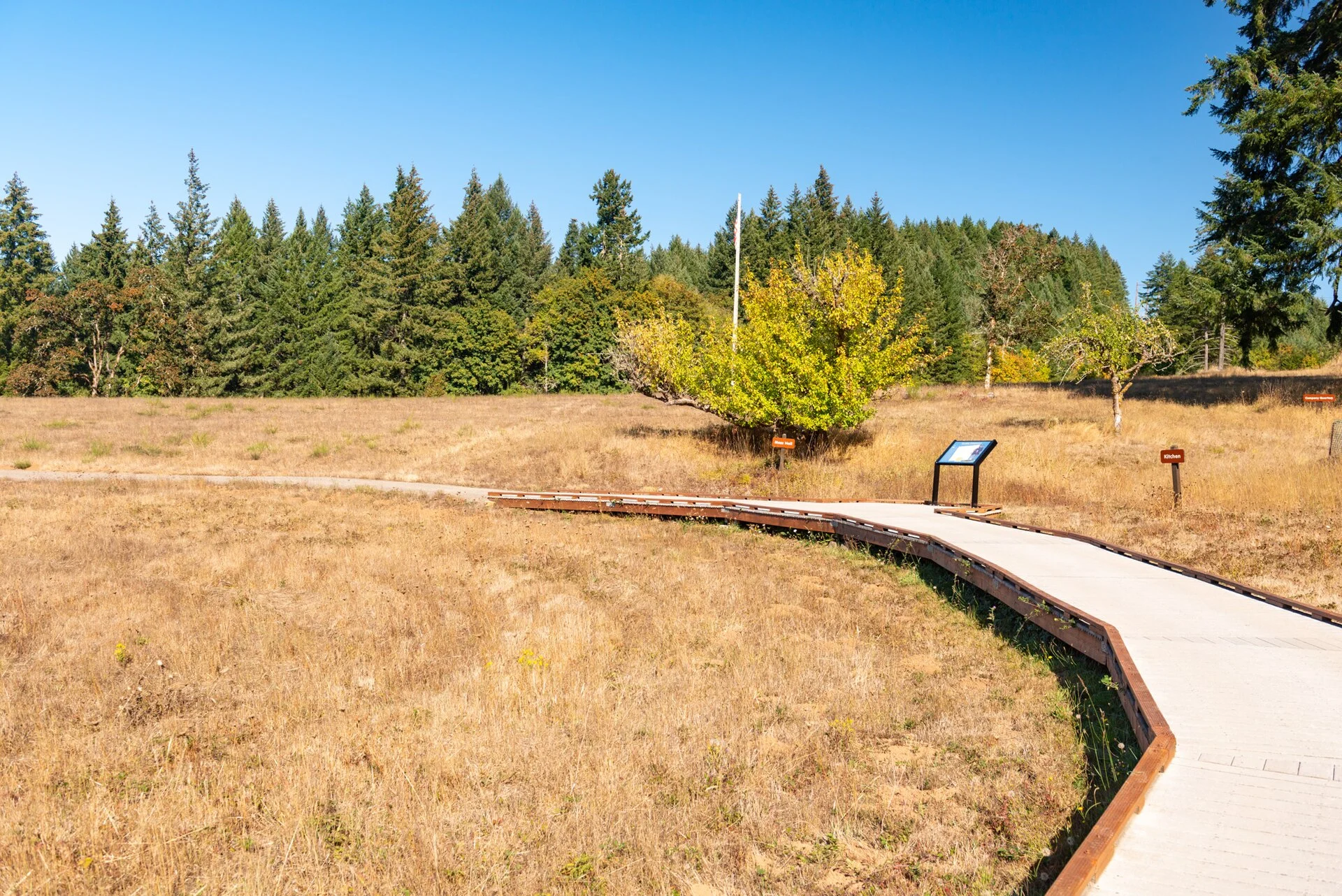
Fort Yamhill existed for one purpose: to keep the Native Americans on the Grand Ronde Reservation. Built in 1856 in the foothills of the Coast Range, the military post was part of Oregon’s forced removal system — corralling diverse tribes from across western Oregon onto a reservation and stationing soldiers to make sure they stayed.
This is not a comfortable history. The Heritage Area preserves the site of the fort and tells the story honestly — the Trail of Tears of the Pacific Northwest. The original blockhouse has been relocated to nearby Dayton. The fort grounds remain, covered in grass and memory, with interpretive panels that don’t flinch from the truth.
What to See
| Feature | Details |
|---|---|
| Fort Site | The cleared ground where Fort Yamhill stood from 1856 to 1866. The buildings are gone — dismantled after the fort was abandoned. The outline of the parade ground and building sites are marked. Walking the grounds, you’re standing where soldiers lived and where a policy of removal was enforced |
| Interpretive Panels | Detailed displays telling the story of the Grand Ronde Reservation, the forced removal of diverse Oregon tribes, and the military’s role. The interpretation is honest and includes perspectives from the Confederated Tribes of Grand Ronde. This is history that Oregon is still reckoning with |
| Phil Sheridan Connection | Lieutenant Philip Sheridan — who would become one of the most famous Union generals of the Civil War — served at Fort Yamhill from 1856 to 1861. His career here was the prelude to the Civil War command that made him famous. Before he burned the Shenandoah Valley, he patrolled the Grand Ronde |
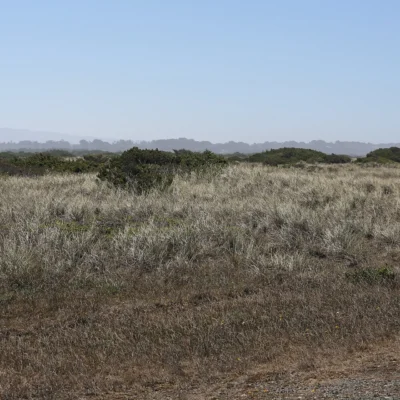
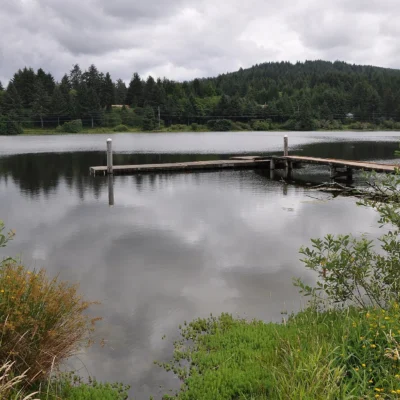
| Coast Range Setting | The site sits in the foothills of the Oregon Coast Range — rolling hills of Douglas fir, oak savanna, and grass. The landscape is quiet and pastoral. The beauty of the setting makes the history it contains more difficult to process |
| Grand Ronde | The Confederated Tribes of Grand Ronde — descendants of the people the fort was built to confine — are a thriving sovereign nation today. Their Spirit Mountain Casino and cultural programs are located nearby. The survival and success of the tribes is the counterpoint to the fort’s purpose |
The Oregon Story
| Feature | Details |
|---|---|
| Forced Removal | In the 1850s, Oregon removed diverse tribes from across western Oregon — Rogue River, Umpqua, Kalapuya, Tillamook, and others — forcing them onto the Grand Ronde and Siletz reservations. The removals were brutal, with long marches in winter. Fort Yamhill enforced the system |
| The Blockhouse | The original Fort Yamhill blockhouse — a two-story log defensive structure — was relocated to the Dayton city park in 1911. It’s the only surviving structure from the fort and can be visited separately. The blockhouse is a National Historic Landmark |
| Civil War Era | The fort operated during the Civil War — Oregon was far from the fighting, but the military presence continued. After the war, as the reservation system stabilized, the fort was decommissioned in 1866. The soldiers left. The tribes remained |
| Heritage Area | Oregon designated this as a State Heritage Area — not a traditional park. The distinction matters: this is a place of historical significance and reflection, not recreation. There are no campgrounds, no swimming, no picnic areas. Just the land and the history it holds |
Best Time to Visit
| Season | Best For |
|---|---|
| Spring (Apr–Jun) | 🌿 Green hills. Wildflowers. Clear panels. The Coast Range at its most beautiful. Comfortable walking |
| Fall (Sep–Oct) | 🍂 Golden oak. Clear light. Fewer visitors. The site in autumn quiet. History best absorbed in solitude |
| Summer (Jul–Aug) | Dry, warm. The grass golden. Full daylight. The Yamhill Valley in summer. Combined with wine country visits |
| Winter (Nov–Mar) | Wet and grey — classic Oregon coast range weather. The site is accessible but muddy. Bring boots and reflection |
Frequently Asked Questions
Is this a regular state park?
No — it’s a State Heritage Area. No camping, no recreation facilities. This is a historical and educational site. Plan 30–60 minutes to walk the grounds and read the interpretive panels. The experience is reflective, not recreational.
Is there a connection to the Grand Ronde tribe today?
Yes — the Confederated Tribes of Grand Ronde are active in the interpretation of this site. Their perspective is represented in the displays. The Spirit Mountain Casino and tribal cultural center are nearby. The tribes’ survival is the most important chapter of this story.
Make it a road trip: Pair a visit with Sheridan State Scenic Corridor (a short drive away) or Erratic Rock State Natural Site (a short drive away).
⚔️ This Fort Confined a People. The People Survived. Both Stories Are Told Here.
Walk the parade ground where soldiers watched the reservation. Read the panels that tell the truth. See the Coast Range hills where diverse tribes were forced to march. And know that the Confederated Tribes of Grand Ronde are still here — thriving, sovereign, and telling their own story.
Wildlife & Nature
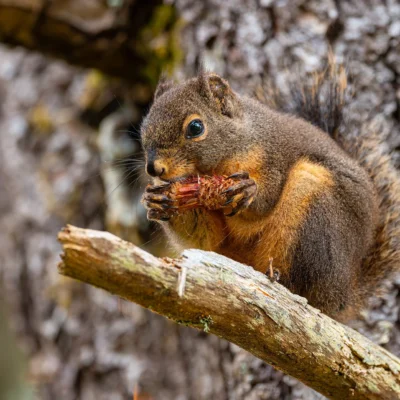
Fort Yamhill SHA — preserves the site of Fort Yamhill (1856) — a US Army post that guarded the Grand Ronde Reservation after the forced removal of Native American tribes. Phil Sheridan (later a Civil War general) was stationed here. The site’s oak woodlands and meadows support western bluebirds, red-tailed hawks, and coyotes.
Nearby Attractions
Valley Junction — adjacent. Grand Ronde — 5 miles west. Spirit Mountain Casino — 5 miles west.

🐾 Dogs & Pets at Fort Yamhill State Heritage Area
- Pets allowed? statewide rule
- Pets are welcome in Oregon state parks and on most ocean beaches but must be leashed except in designated off-leash areas.
- Leash rule statewide rule
- Leash no longer than 6 feet required in developed park areas
- Beaches & swim areas statewide rule
- Pets are allowed on most ocean beaches under direct control; western snowy plover nesting areas restrict pets March 15 - Sept. 15; leash required on the beach at some parks (e.g. Cape Lookout)
- Cabins & lodging statewide rule
- Designated pet-friendly yurts and cabins at many parks (South Beach has 14 pet-friendly yurts, Tugman 8); maximum two dogs and/or cats; $10 per night pet fee
- Pet fees statewide rule
- $10 per night for pet-friendly yurts/cabins; no pet fee for day use or campsites
- Statewide exceptions statewide rule
- Pets prohibited at Dabney SRA, the Trail of Ten Falls at Silver Falls, and Shore Acres; off-leash areas at Stub Stewart, Willamette Mission, Elijah Bristow, Cottonwood Canyon and LaPine
Are dogs allowed at Fort Yamhill State Heritage Area?
Pets are welcome in Oregon state parks and on most ocean beaches but must be leashed except in designated off-leash areas. Individual parks can post stricter rules — check signage on arrival.
Rules verified July 2026 via stateparks.oregon.gov. More: Oregon state parks guide · Dog rules in all 50 states compared
Park Location
Plan your gear for Fort Yamhill State Heritage Area
From our editorial guides, matched to this park’s activities:

Top Tours & Activities Near Lincoln City
 from $600
 from $35