
🌤 Weather at Quinnipiac River Marsh Wildlife Management Area by season
| Spring | Summer | Fall | Winter |
|---|---|---|---|
| 28–71 °F | 58–85 °F | 34–76 °F | 20–42 °F |
Each range runs from the coldest monthly average low to the warmest monthly average high in that season (1991-2020 climate normals), measured at Mount Carmel, 4 mi away, elevation 180 ft. Conditions at the park can differ from the station, especially where elevation differs — check a forecast before you go.

🏆 River Marsh — Tidal marsh on the Quinnipiac River — critical habitat in the heart of CT’s most urbanized region
Quinnipiac River Marsh Wildlife Management Area protects tidal marsh along the Quinnipiac River in the New Haven area — providing wildlife habitat in the heart of Connecticut’s most urbanized region. The marsh supports wading birds, waterfowl, and fish that use the tidal river as a nursery. The Quinnipiac River takes its name from the Quinnipiac tribe who gave their name to the river, the town (now called New Haven), and Quinnipiac University.
Visitor Information
| Detail | Information |
|---|---|
| Location | New Haven area, CT |
| Entry Fee | Free |
| Habitat | Tidal marsh (urban!) |
| Name | Quinnipiac tribe → New Haven |
Frequently Asked Questions
Is this near Yale?
Yes — the Quinnipiac River flows through the Greater New Haven area, home to Yale University. This urban marsh is a remarkable pocket of wildlife in one of Connecticut’s most developed areas.
Is this WMA near New Haven?
Yes — the Quinnipiac River Marsh is accessible from the New Haven area, making it one of the most accessible urban wildlife viewing sites in Connecticut.
Is the marsh walkable?
The marsh itself is not walkable — view from the edges or explore by kayak. The tidal channels provide the best access.
About Quinnipiac River Marsh
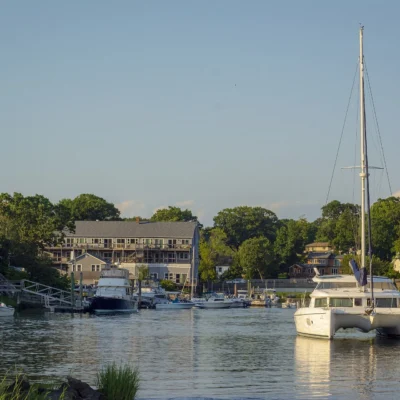
Quinnipiac River Marsh Wildlife Management Area protects tidal and freshwater marsh along the Quinnipiac River near New Haven. Despite its urban setting, the marsh supports remarkable biodiversity including nesting osprey, great blue herons, and migrating shorebirds. The marsh is a critical green space in the heavily developed New Haven harbor area.
Things to Do
Birdwatching (osprey, herons, shorebirds), fishing, kayaking through the marsh channels, and wildlife photography. The marsh provides a surprising nature experience close to downtown New Haven and Yale University.
Insider Tips
Urban nature: This is one of the best urban birdwatching spots in Connecticut — the tidal marsh attracts herons, egrets, and migrating shorebirds within view of New Haven. Pro tip: The marsh is most productive at high tide when birds concentrate on exposed vegetation. Kayaking: Paddle the tidal creek channels for intimate marsh exploration.
Best Time to Visit
Spring: Great egrets and snowy egrets arrive in April. Summer: Nesting saltmarsh sparrows and seaside sparrows. Fall: Shorebird migration and raptor passage. Winter: Short-eared owls hunt the marsh at dusk; northern harriers cruise the reed beds.
Wildlife & Nature
Quinnipiac River Marsh WMA protects freshwater tidal marshland along the Quinnipiac River — one of Connecticut’s most urbanized rivers, flowing through North Haven, Hamden, and New Haven before entering Long Island Sound. The marsh demonstrates nature’s resilience — despite centuries of industrial pollution (the Quinnipiac was once heavily contaminated by silver-plating, ball-bearing, and chemical factories), the wetland continues to provide critical habitat. Clean Water Act regulations have dramatically improved water quality since the 1970s. The marsh supports great blue herons, green herons, and belted kingfishers. Muskrat lodges dot the wetland. Snapping turtles — reaching 50+ pounds — are the river’s largest reptile residents.
Nearby Attractions
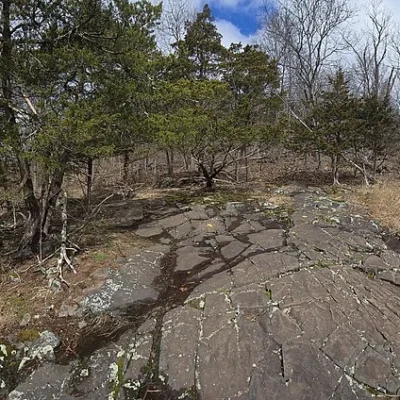
Sleeping Giant State Park in Hamden — Connecticut’s most popular hiking destination — features a dramatic traprock ridge resembling a sleeping giant, with a stone observation tower at the summit. Yale University in New Haven offers world-class museums including the Yale University Art Gallery (free) and Peabody Museum of Natural History. East Rock Park provides cliff-top views over New Haven and Long Island Sound. New Haven’s Wooster Street is America’s “pizza capital” — Frank Pepe’s and Sally’s Apizza have served legendary coal-fired pizza since the 1920s-30s.
Nearby state parks: If you have extra time, Farmington Canal State Park Trail is a short drive away, and Quinnipiac River State Park is a short drive away.
🦢 Visit Quinnipiac Marsh WMA
Urban wildlife — tidal marsh in the shadow of Yale and New Haven.

🐾 Dogs & Pets at Quinnipiac River Marsh Wildlife Management Area
- Pets allowed? statewide rule
- Pets on a leash are permitted in most Connecticut state parks and forests, but not in buildings, swimming areas or state park campgrounds.
- Leash rule statewide rule
- Pets must be leashed and under control at all times; in state forest camping areas the leash may be no longer than 7 feet.
- Beaches & swim areas statewide rule
- Pets are prohibited in swimming areas; Sherwood Island and Squantz Pond State Parks ban pets entirely April 15 - September 30.
- Cabins & lodging statewide rule
- Pets are banned from all state park campgrounds; they are allowed only in the American Legion, Pachaug and Salt Rock state forest campgrounds, but not on rustic cabin sites.
- Statewide exceptions statewide rule
- Pets prohibited year-round at Dinosaur State Park and in the formal gardens and beach at Harkness Memorial State Park.
Are dogs allowed at Quinnipiac River Marsh Wildlife Management Area?
Pets on a leash are permitted in most Connecticut state parks and forests, but not in buildings, swimming areas or state park campgrounds. Individual parks can post stricter rules — check signage on arrival.
Rules verified July 2026 via portal.ct.gov. More: Connecticut state parks guide · Dog rules in all 50 states compared
Park Location
Plan your gear for Quinnipiac River Marsh Wildlife Management Area
From our editorial guides, matched to this park’s activities:
Top Tours & Activities Near New Haven
 from $28
 from $10
 from $26