Salmon Brook Lake Bog
🌤 Weather at Salmon Brook Lake Bog by season
| Spring | Summer | Fall | Winter |
|---|---|---|---|
| 16–63 °F | 51–77 °F | 26–67 °F | 3–28 °F |
Each range runs from the coldest monthly average low to the warmest monthly average high in that season (1991-2020 climate normals), measured at Caribou Municipal Airport, 10 mi away, elevation 624 ft. Conditions at the park can differ from the station, especially where elevation differs — check a forecast before you go.

🏆 Ecological Wonder — Pristine peatland ecosystem surrounding a 130-acre lake — one of the most important bogs in northern Maine
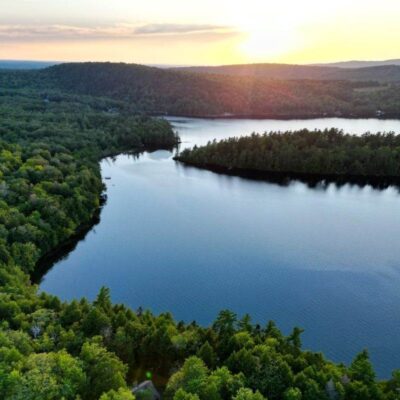
Salmon Brook Lake Bog is a pristine peatland ecosystem in Aroostook County — a vast bog surrounding a 130-acre lake. The bog is one of the most ecologically significant wetlands in northern Maine, supporting rare orchids, carnivorous sundew and pitcher plants, and boreal bird species at the southern edge of their range. Peatlands like this have been accumulating organic material for 10,000+ years since the last Ice Age, creating a living record of climate history preserved in the peat layers.
Visitor Information
| Detail | Information |
|---|---|
| Location | Perham, Aroostook County, ME |
| Entry Fee | Free |
| Lake | 130 acres! |
| Plants | Rare orchids, carnivorous plants! |
| Age | 10,000+ years peat accumulation! |
Frequently Asked Questions
Why are bogs ecologically important?
Bogs store enormous amounts of carbon in their peat — globally, peatlands contain twice as much carbon as all the world’s forests combined! They also preserve pollen records that scientists use to reconstruct thousands of years of climate history.
Why are bogs important for climate?
Peatlands cover only 3% of Earth’s surface but store twice as much carbon as all the world’s forests combined. Maine’s bogs have been accumulating carbon for 10,000+ years since the glaciers retreated. When peatlands are drained or burned, they release enormous amounts of CO2. Protecting peatlands is one of the most cost-effective climate strategies — simply leaving them alone keeps billions of tons of carbon locked underground.
Nearby state parks: If you have extra time, Aroostook State Park is a short drive away, and Day’s Academy is within about an hour’s drive.
🌿 Visit Salmon Brook Lake Bog
10,000 years of peat — carnivorous plants, rare orchids, climate history!
About Salmon Brook Lake Bog
Salmon Brook Lake Bog in Aroostook County protects one of the largest and most ecologically significant peatland complexes in Maine. The 2,800-acre raised bog features a classic domed peat surface with concentric pools — a textbook example of bog development. The bog supports carnivorous plants (sundew, pitcher plants), orchids, and nesting palm warblers.
Things to Do
Viewing the rare raised bog ecosystem, birdwatching for boreal specialists (palm warblers, spruce grouse, boreal chickadees), photography of carnivorous plants, and nature observation. The bog is a nationally significant ecological site.
Insider Tips
Peatland ecology: Salmon Brook Lake Bog is a classic Maine peatland — a wetland ecosystem dominated by sphagnum moss that accumulates as peat. Pro tip: Maine has more peatland than any other state in the lower 48 — these bogs store massive amounts of carbon. Carnivorous plants: Pitcher plants and sundews thrive in the nutrient-poor bog — capturing insects to supplement their diet.
Best Time to Visit
Summer: Carnivorous plants active. Fall: Bog turns brilliant red. Spring: Bog awakening. Winter: Frozen bog landscape.
Wildlife & Nature
Salmon Brook Lake Bog — a 3,400-acre peatland — one of the most significant bogs in Maine. The bog’s sphagnum mat, pitcher plants, cotton grass, and tamarack create an arctic-like landscape. Spruce grouse, palm warblers, and Lincoln’s sparrows breed here.
Nearby Attractions
Perham — adjacent. Aroostook County — surrounding — larger than Connecticut and Rhode Island combined.

🐾 Dogs & Pets at Salmon Brook Lake Bog
- Pets allowed? statewide rule
- Pets are allowed at most Maine state parks year-round, including trails, but must be leashed, under the handler's physical control and never left unattended.
- Leash rule statewide rule
- Leash not exceeding 4 feet, under the physical control of the handler
- Beaches & swim areas statewide rule
- Pets are not allowed on state park beaches April 1 through September 30; leashed pets are welcome on beaches October 1 through March 31
- Statewide exceptions statewide rule
- No pets allowed at Sebago Lake State Park campground; park staff may assign pet owners to less congested camping areas
Are dogs allowed at Salmon Brook Lake Bog?
Pets are allowed at most Maine state parks year-round, including trails, but must be leashed, under the handler's physical control and never left unattended. Individual parks can post stricter rules — check signage on arrival.
Rules verified July 2026 via maine.gov. More: Maine state parks guide · Dog rules in all 50 states compared
Park Location
Plan your gear for Salmon Brook Lake Bog
From our editorial guides, matched to this park’s activities:

Top Tours & Activities Near New Brunswick
 from $195
 from $104
 from $83