
🌤 Weather at Tub Springs State Wayside by season
| Spring | Summer | Fall | Winter |
|---|---|---|---|
| 27–68 °F | 44–85 °F | 24–75 °F | 20–43 °F |
Each range runs from the coldest monthly average low to the warmest monthly average high in that season (1991-2020 climate normals), measured at Malheur Refuge Hq, 7 mi away, elevation 4,118 ft. Conditions at the park can differ from the station, especially where elevation differs — check a forecast before you go.

🏆 Harney Basin Rest — High desert wayside near the Malheur National Wildlife Refuge
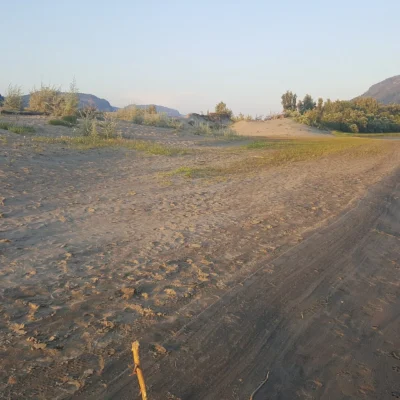
Tub Springs State Wayside provides a rest stop in the high desert of Harney County near the Malheur National Wildlife Refuge — one of the most important bird habitats in the Pacific Flyway. The springs historically provided water for travelers crossing this remote region. Today the wayside offers picnic tables, restrooms, and a break from the long drives across Oregon’s least-populated county (population density: <1 person per square mile).
Visitor Information
| Detail | Information |
|---|---|
| Location | Harney County, OR (high desert) |
| Entry Fee | Free |
| Nearby | Malheur NWR (Pacific Flyway) |
Frequently Asked Questions
What is Malheur NWR?
Malheur National Wildlife Refuge protects 187,000 acres of wetlands hosting 320+ bird species. Spring migration (March–May) is spectacular, with sandhill cranes, white pelicans, and over 100,000 waterfowl.
Why are springs important in eastern Oregon?
Eastern Oregon receives only 8-15 inches of rain annually — natural springs are oases that concentrate wildlife, support ranching, and historically determined settlement patterns. Indigenous peoples, pioneers, and wildlife have depended on these water sources for millennia.
About Tub Springs
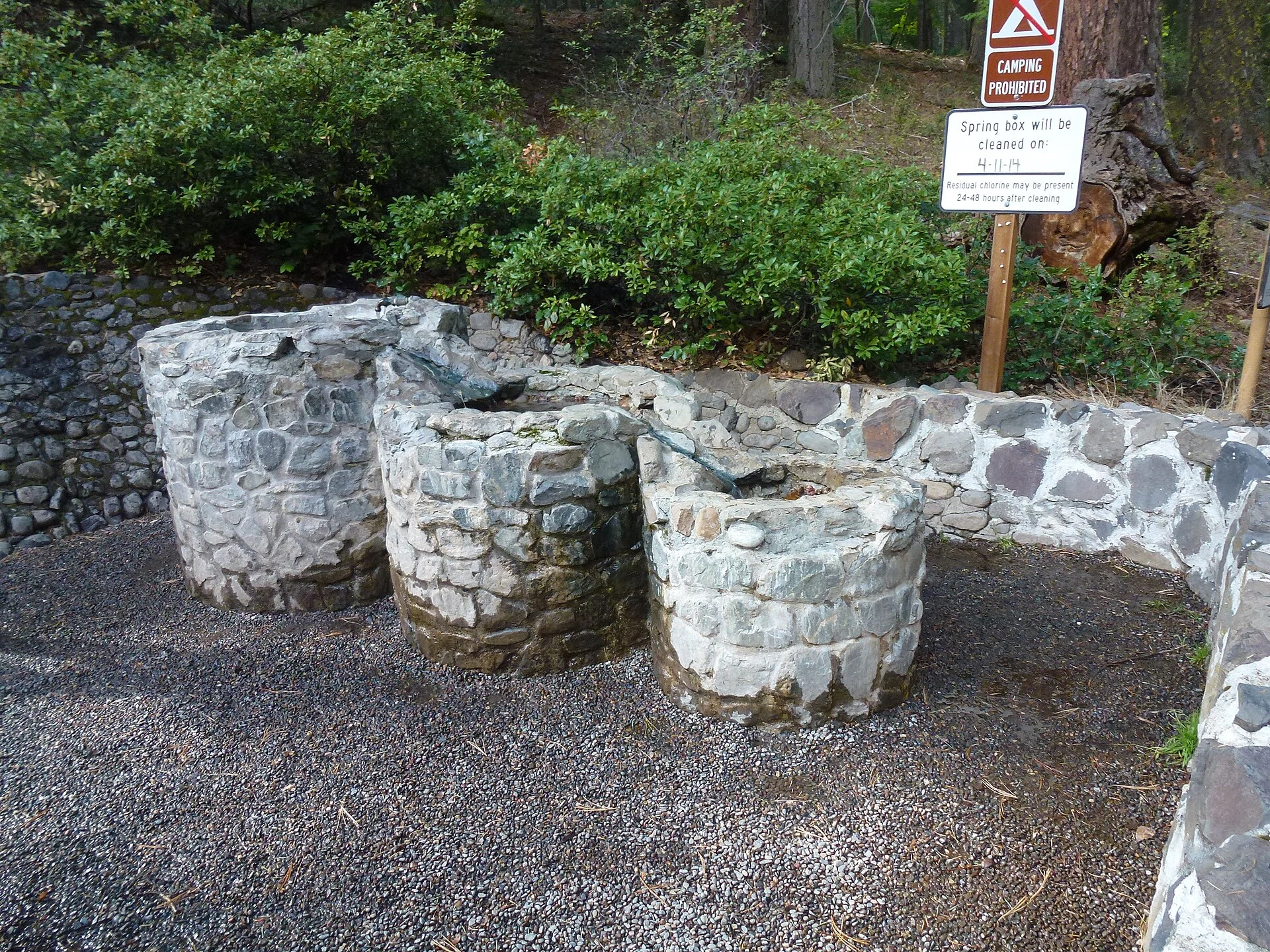
Tub Springs State Wayside sits along Highway 20 in the Ochoco Mountains east of Bend, offering a forested rest area with natural spring water. The springs flow from a pipe into a stone basin — historically a vital water source for travelers crossing the arid high desert of central Oregon.
Things to Do
Filling water bottles from the natural spring, picnicking in the ponderosa pine forest, and a restful break on the long drive between Bend and Burns. The surrounding Ochoco National Forest offers rockhounding for thunder eggs.
Insider Tips
High desert spring: Tub Springs is a natural water source in the dry eastern Oregon rangeland — historically important for travelers, livestock, and wildlife. Pro tip: The spring attracts songbirds and raptors in the dry season — birding can be excellent at water sources in arid landscapes. Ranching heritage: The surrounding landscape tells the story of Oregon’s cattle ranching history.
Best Time to Visit
Spring: Wildflower bloom in the steppe. Fall: Migrating raptors follow the desert thermals. Summer: Hot but the spring provides shade and water. Winter: Quiet and potentially snowy.
Wildlife & Nature
Tub Springs State Wayside in northeastern Oregon provides a scenic rest stop along the historic Elkhorn Drive Scenic Byway — a 106-mile loop through the Blue Mountains’ gold mining country. Natural springs — emerging where underground water meets impermeable rock layers — have attracted wildlife and humans for millennia. The surrounding Blue Mountains support some of Oregon’s most intact wildlife populations — Rocky Mountain elk herds number 10,000+. Mule deer, black bears, and mountain lions share the landscape. Great gray owls — North America’s tallest owl — hunt meadow voles in the forest openings. Three-toed woodpeckers — bark-flaking specialists that rarely drum — strip bark from beetle-infested trees, leaving distinctive clean patches.
Nearby Attractions
Elkhorn Drive Scenic Byway — one of Oregon’s most dramatic mountain drives — passes through historic gold mining districts. Sumpter — a former gold rush town — has the Sumpter Valley Dredge State Heritage Area preserving a 1,600-ton gold dredge. Sumpter Valley Railway operates a restored narrow-gauge steam train. Anthony Lakes Ski Area offers uncrowded powder skiing. Granite — once Oregon’s third-largest city during the gold rush — now has a population under 40. Olive Lake provides alpine lake recreation.
Make it a road trip: Pair a visit with Pete French Round Barn State Heritage Site (a short drive away) or Frenchglen Hotel State Heritage Site (within about an hour’s drive).
🐦 Visit Tub Springs State Wayside
High desert oasis — near 187,000-acre Malheur bird refuge.

🐾 Dogs & Pets at Tub Springs State Wayside
- Pets allowed? statewide rule
- Pets are welcome in Oregon state parks and on most ocean beaches but must be leashed except in designated off-leash areas.
- Leash rule statewide rule
- Leash no longer than 6 feet required in developed park areas
- Beaches & swim areas statewide rule
- Pets are allowed on most ocean beaches under direct control; western snowy plover nesting areas restrict pets March 15 - Sept. 15; leash required on the beach at some parks (e.g. Cape Lookout)
- Cabins & lodging statewide rule
- Designated pet-friendly yurts and cabins at many parks (South Beach has 14 pet-friendly yurts, Tugman 8); maximum two dogs and/or cats; $10 per night pet fee
- Pet fees statewide rule
- $10 per night for pet-friendly yurts/cabins; no pet fee for day use or campsites
- Statewide exceptions statewide rule
- Pets prohibited at Dabney SRA, the Trail of Ten Falls at Silver Falls, and Shore Acres; off-leash areas at Stub Stewart, Willamette Mission, Elijah Bristow, Cottonwood Canyon and LaPine
Are dogs allowed at Tub Springs State Wayside?
Pets are welcome in Oregon state parks and on most ocean beaches but must be leashed except in designated off-leash areas. Individual parks can post stricter rules — check signage on arrival.
Rules verified July 2026 via stateparks.oregon.gov. More: Oregon state parks guide · Dog rules in all 50 states compared
Park Location

Top Tours & Activities Near Ashland
 from $50
 from $149
 from $2,600