Ackley Lake State Park
State Park
Activities & features
- Hiking
- Camping
- Fishing
- Wildlife Watching
- Mountain Biking
- Ice Fishing
- Kayaking
- Biking
- Nature
- Canyons
- Lakes
- Rivers
- Glaciers
- Mountains
- Wildlife Viewing Areas
- Bear Country
Montana outdoors
State parks & outdoor places
Find a place for your next day outside. Browse Montana’s parks, forests, historic sites, and other listed places by activity or on the map.
 Montana outdoors
The directory
Explore every state park and find your perfect outdoor destination
Search all listed places, then narrow the results by activity, feature, or place type.
57 listed places
State Park
State Park

State Park
State Park
State Park
Other place
State Park
State Park
State Park
State Park
State Park
State Park
State Park
Other place
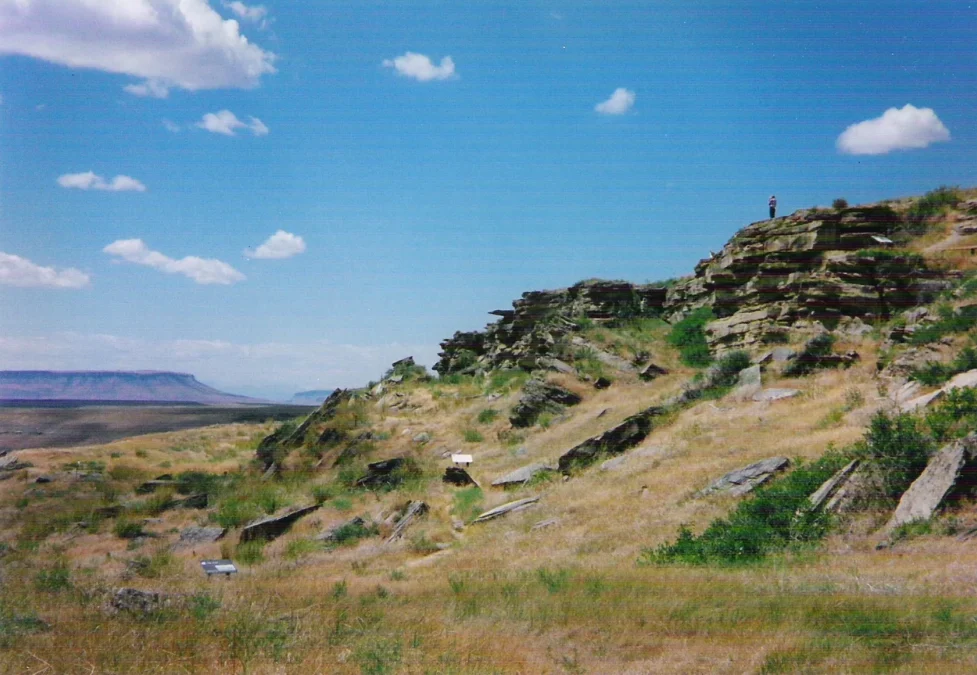
State Park
State Park
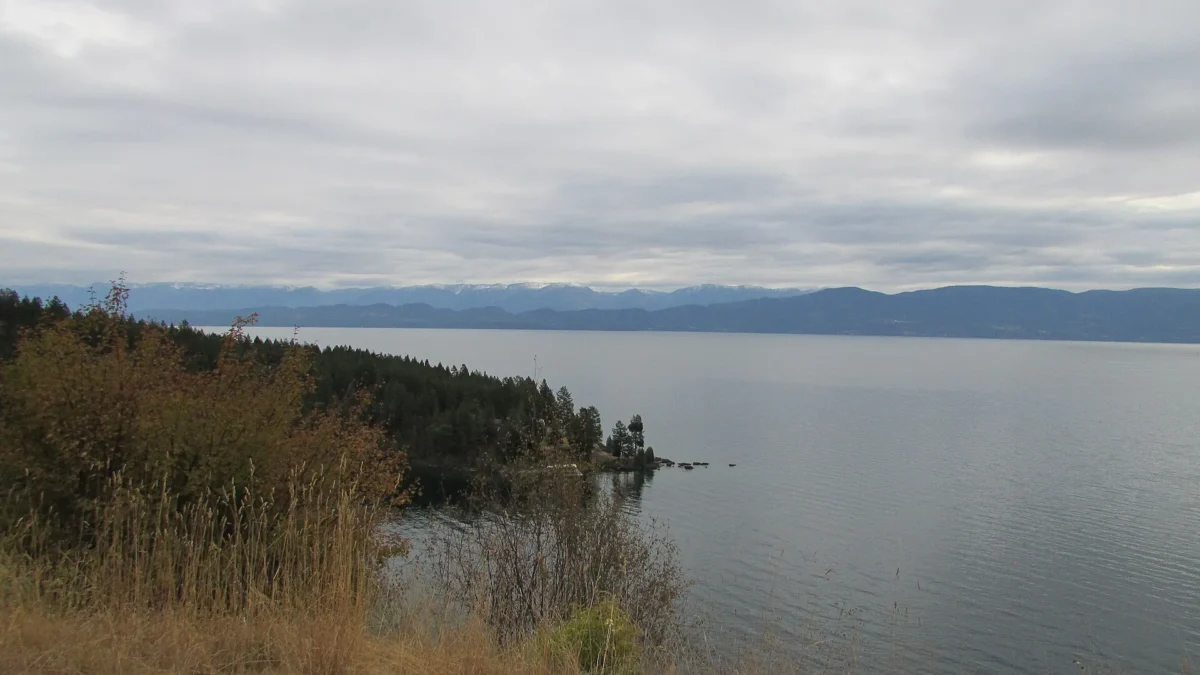
State Park
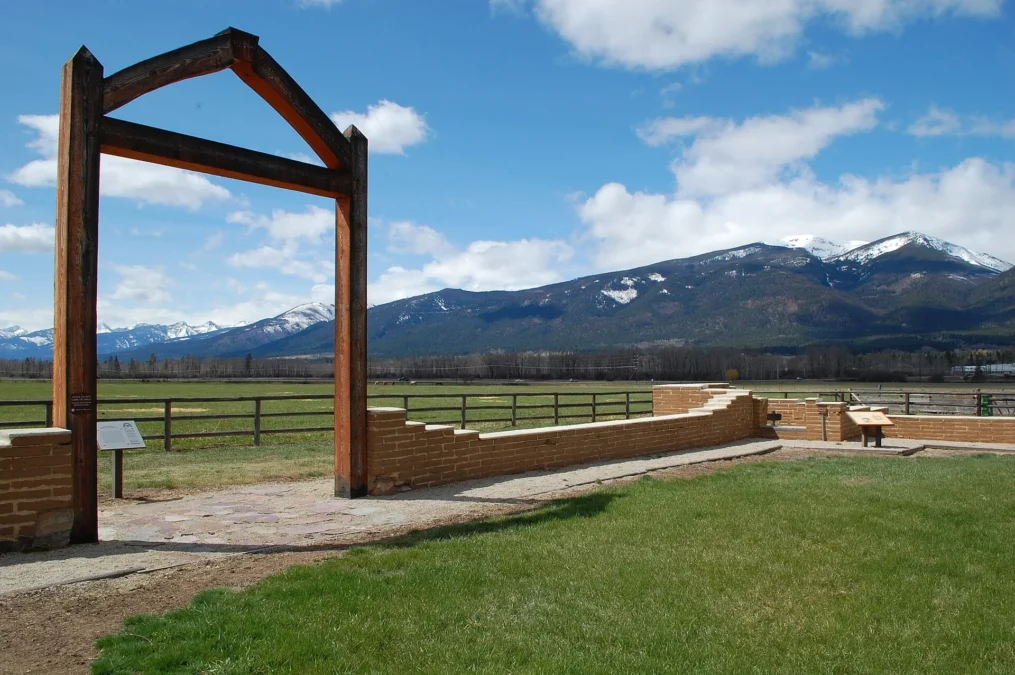
State Park
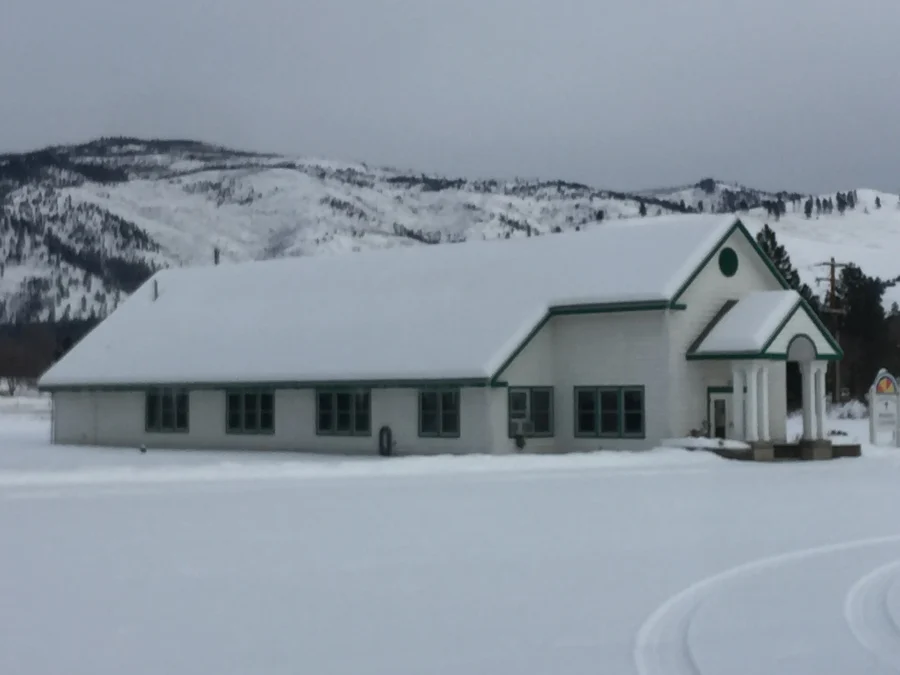
State Park
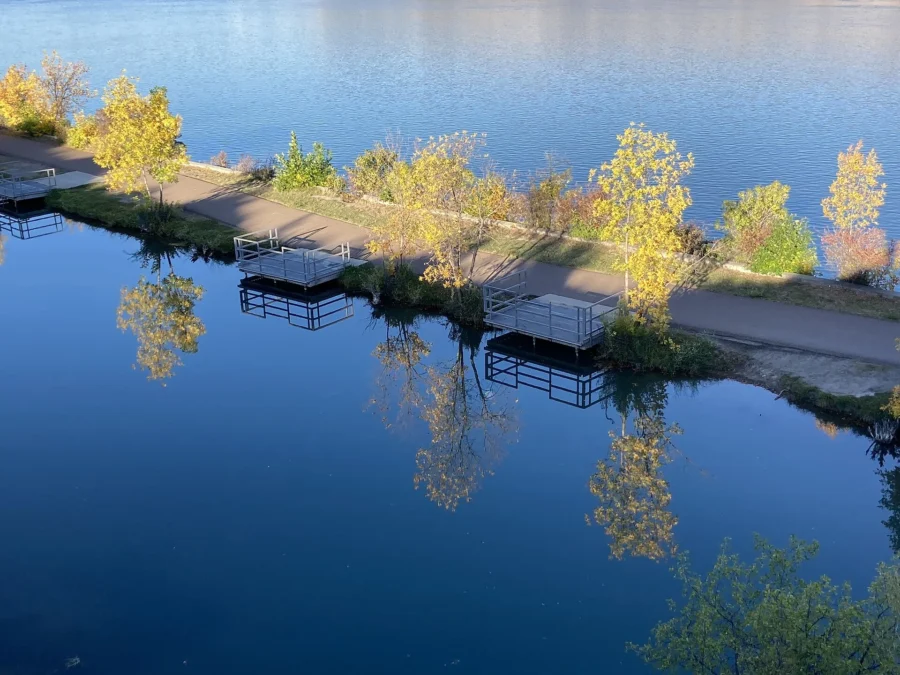
State Park
State Park
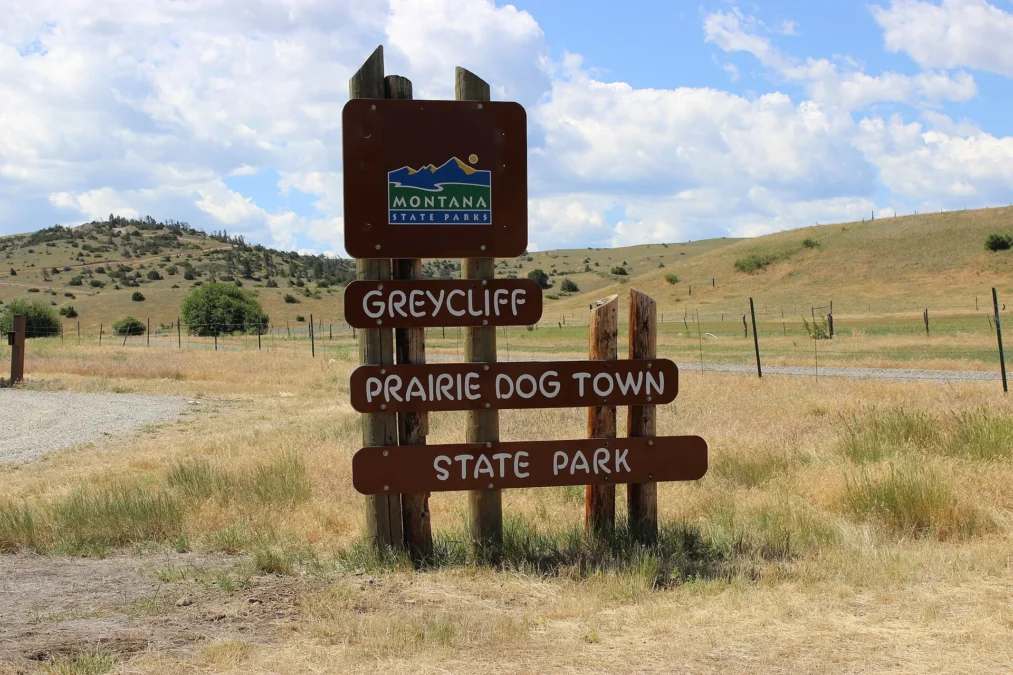
State Park
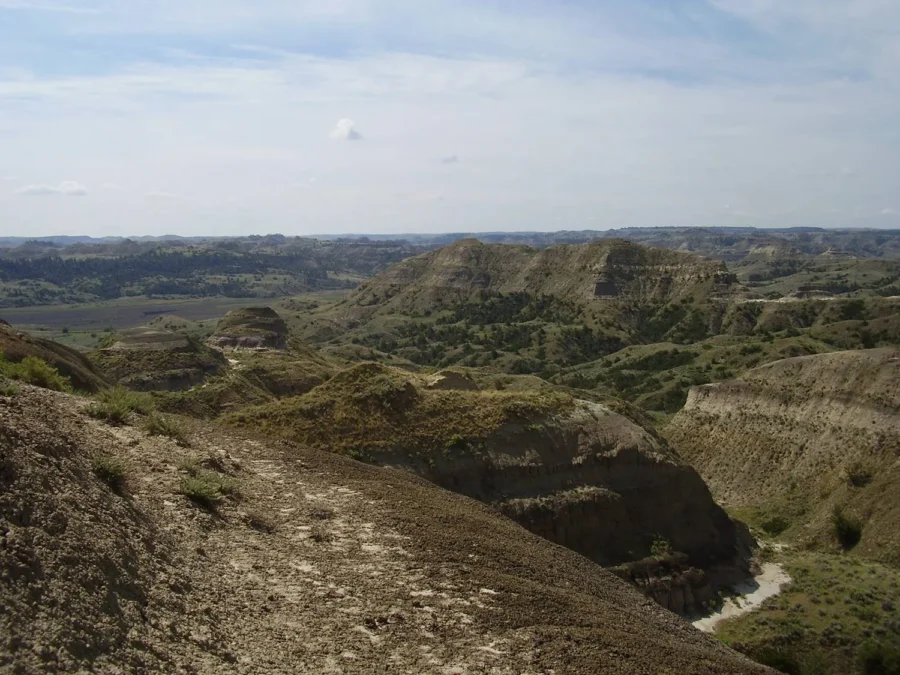
Other place
Not a state park · run by the Little Shell Tribe of Chippewa Indians of Montana
State Park
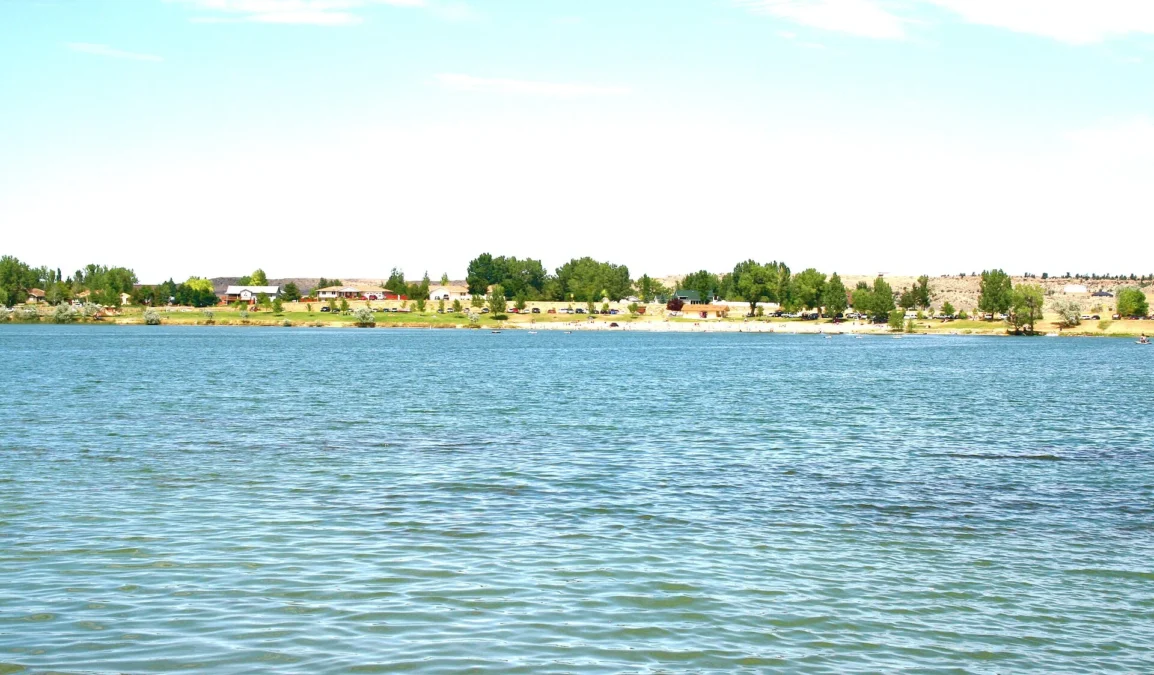
State Park
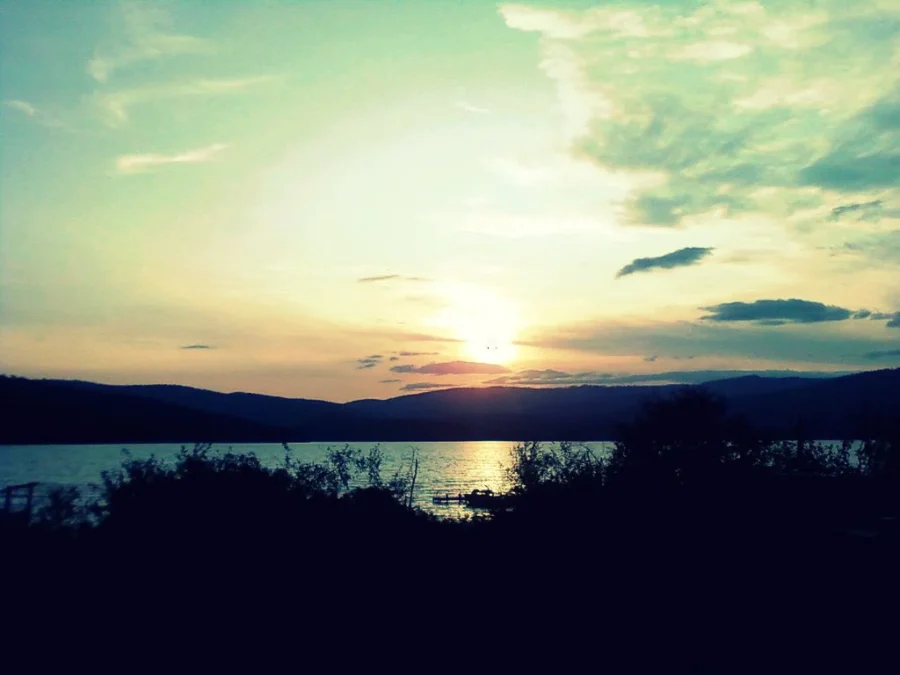
State Park
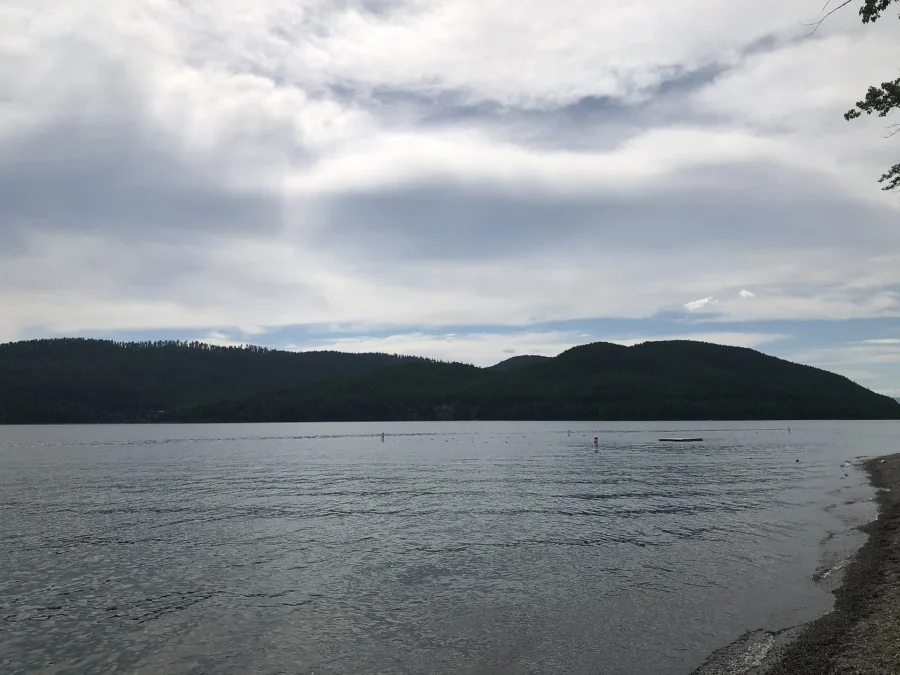
State Park
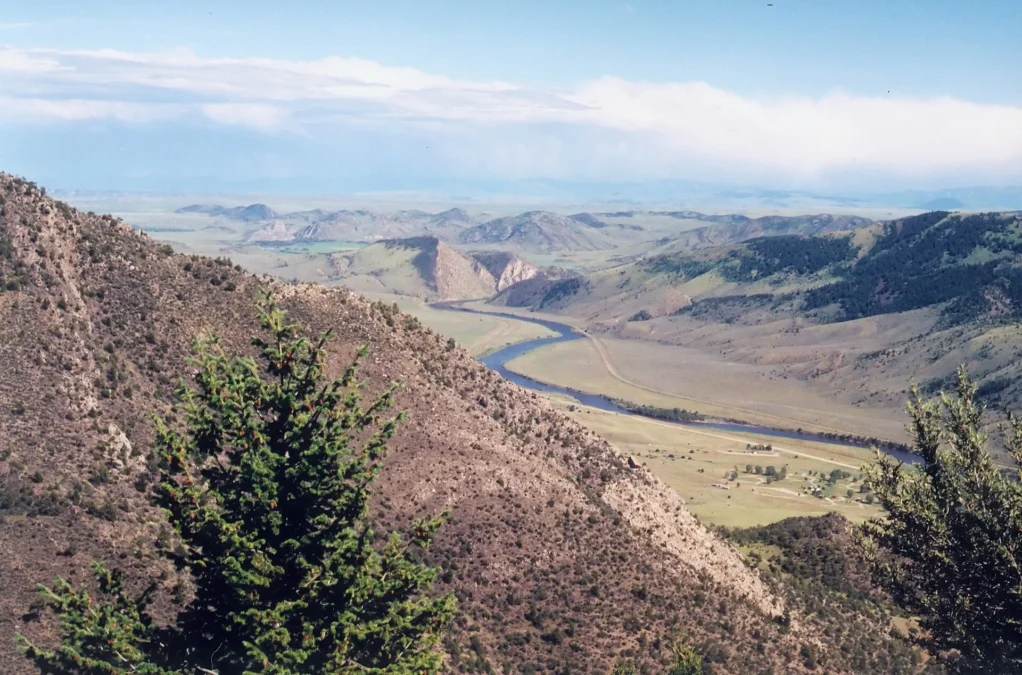
State Park
State Park
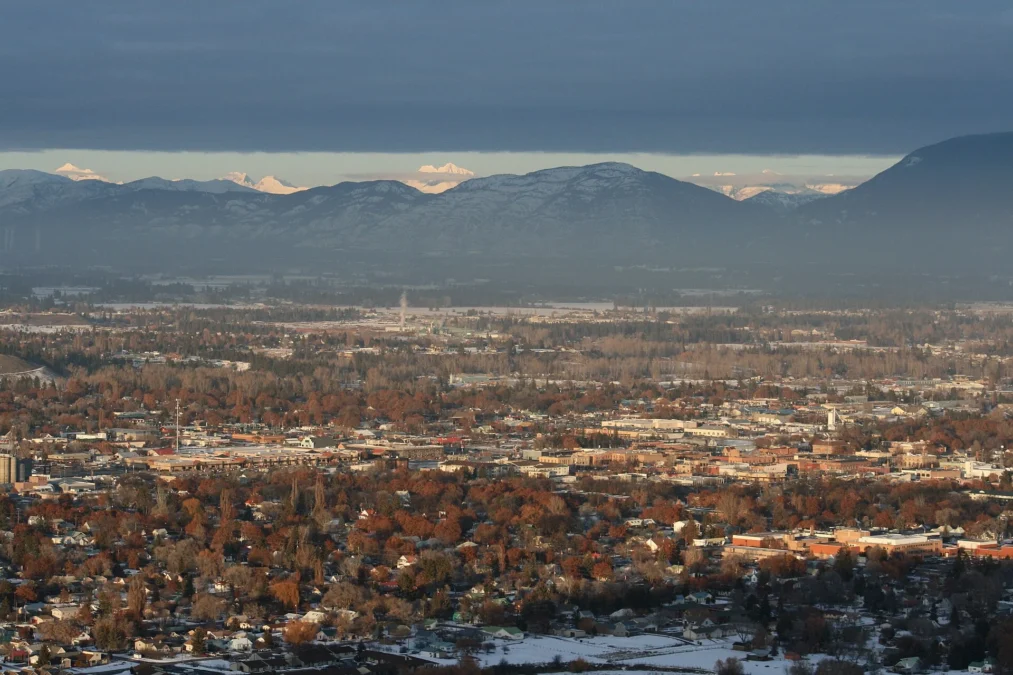
State Park
State Park
State Park

State Park
State Park
State Park
State Park
State Park
State Park

State Park
State Park
State Park
State Park
State Park
State Park
State Park
State Park
State Park
State Park
State Park
State Park
State Park
State Park
Other place
Other place
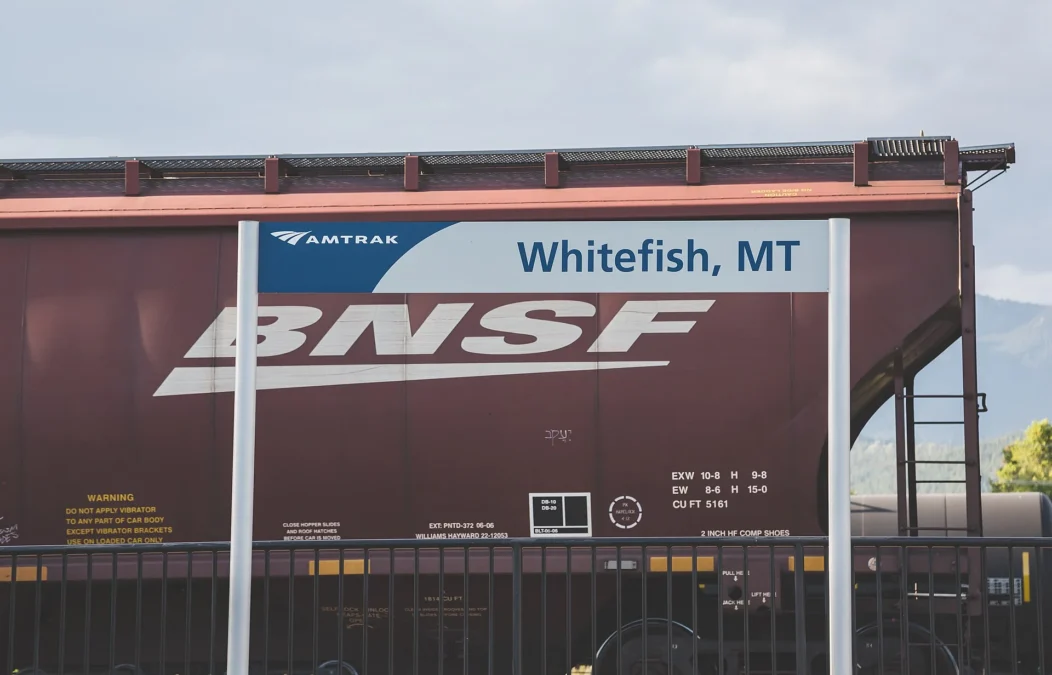
State Park
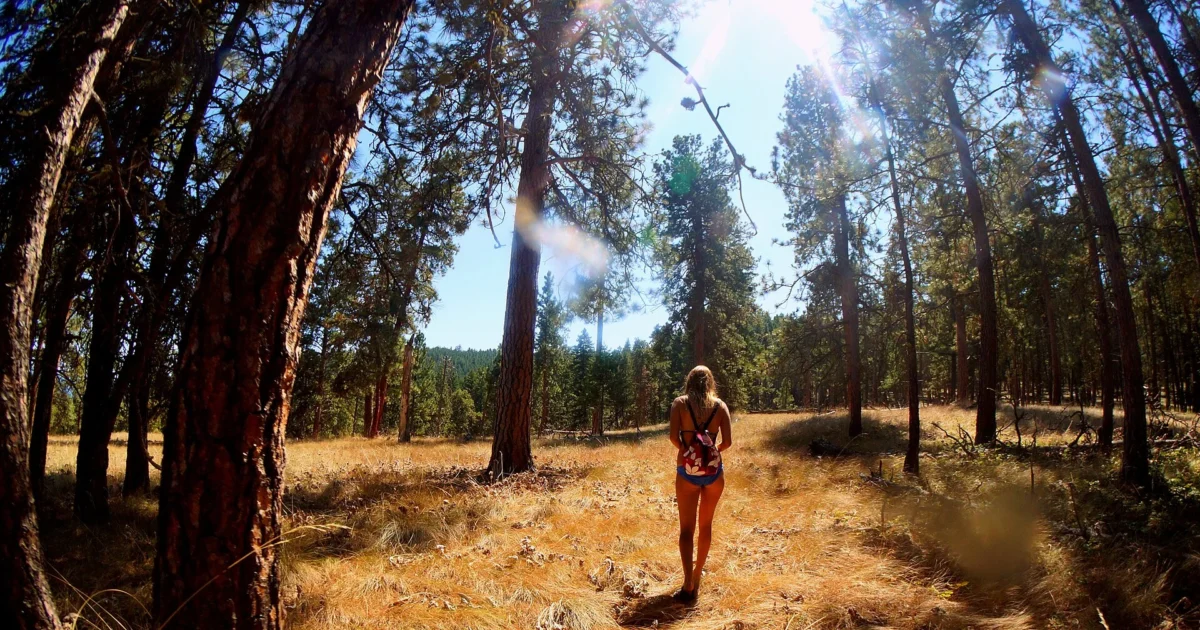
Other place
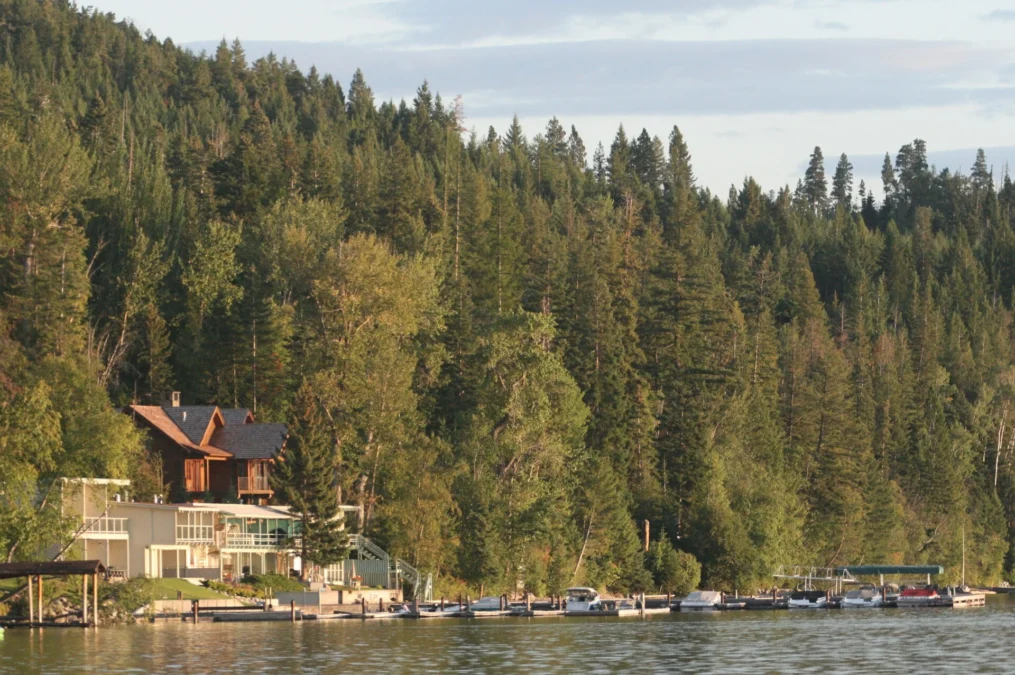
Other place
Try a different search or clear your filters to see all listed places.
Interactive map of all Montana state parks
Map data © OpenStreetMap contributors.
Includes parks, forests and historic places. Check individual profiles for details.
Montana State Parks
Dinosaur badlands, gold rush ghost towns, and Flathead Lake — 55 parks
Explore Parks55 State Parks
~41,000 acres Total Area
3.38 million Annual Visitors
Flathead Lake State Park Featured Park
Plan your visit
Explore the Montana guide and practical notes below.
Big Sky Country isn’t just a slogan — it’s what you experience at every Montana state park where towering mountains, crystal rivers, and wildlife-filled prairies meet unbroken horizons. With 55 state parks spanning about 41,000 acres, Montana delivers the wild, uncrowded outdoor heritage that makes the state legendary. Residents who pay the $9 state parks fee with their vehicle registration pay no daily entrance fee.
| Fee Type | Cost | Details |
|---|---|---|
| Resident Day-Use | $9/year | State parks fee paid with vehicle registration; no daily entrance fee |
| Non-Resident Annual Pass | $50 | 12-month pass for all 55 parks |
| Non-Resident 7-Day Pass | $35 | Good at all parks for one week |
| Non-Resident Daily Fee | $8/vehicle | Walk-in/bicycle $4 |
| Standard Camping | $4–$34/night | Reservable up to 3 months ahead; some first-come sites |
| Camping Cabins | $50–$66/night | Lewis & Clark Caverns, Tongue River, Finley Point |
| Yurts | $50–$72/night | Flathead Lake (Big Arm), Makoshika |
| Resident 62+ Camping | 50% discount | Half-price camping for MT residents 62+ |
📋 Montana Resident Pass: $9/year (state parks fee with vehicle registration). Non-resident: $50/year. → See our Complete 50-State Annual Pass Price Guide, or our 50-State Park Fees Study.
Flathead Lake State Park encompasses six units around the largest natural freshwater lake west of the Mississippi — Wayfarers, Big Arm, Yellow Bay, Finley Point, West Shore, and Wild Horse Island. Big Arm features 3 yurts with Mission and Swan Mountain views. Wild Horse Island is a 2,160-acre island home to bighorn sheep, deer, and wild horses — accessible only by boat. Finley Point offers cabins. Whitefish Lake State Park provides a popular beach and mountain scenery just miles from Glacier National Park’s west entrance. The southern end of Flathead Lake is within the Flathead Indian Reservation — a tribal recreation permit is required for activities in these waters.
Lewis & Clark Caverns State Park features one of the largest known limestone caverns in the Northwest. The cave is open by guided tour only, May through September: the two-mile Classic Cave Tour (about two hours, over 100 stairs up and over 500 down) or the easier one-mile Paradise Tour. FWP also offers a limited number of candlelight tours; dates are announced each year, and tickets go on sale online the Monday after Thanksgiving. The park has 3 camping cabins and a wall tent, all reservable online. Physically demanding tours involve stooping, sliding, and many stairs. Missouri Headwaters State Park marks the exact spot where the Jefferson, Madison, and Gallatin rivers merge to form the Missouri — one of the most historically significant points in the American West. Bannack State Park preserves the site of Montana’s first major gold discovery in 1862 and its first territorial capital. Over 50 historic log and frame buildings line Main Street, and FWP calls it the best preserved of all Montana ghost towns.
Giant Springs State Park in Great Falls is home to one of the largest freshwater springs in the country, producing over 156 million gallons of water daily. The spring flows into the Roe River, once listed in the Guinness Book of World Records as the world’s shortest river. You can also visit the Giant Springs Fish Hatchery and feed the fish in its show pond. Day-use only — no camping. With 645,978 visitors in 2025, it was Montana’s most visited state park (FWP count). Sluice Boxes State Park follows Belt Creek through a limestone canyon lined with the remains of mines, a railroad, and historic cabins; a trail runs along the creek.
Makoshika State Park near Glendive is Montana’s largest state park at 11,538 acres — a badlands wonderland of layered rock formations, dinosaur fossils (T. rex and Triceratops), and scenic drives through formations rivaling the Dakotas. The visitor center displays fossils found in the park. Medicine Rocks State Park features weathered sandstone pillars with thousands of inscriptions; as the name implies, it was a place of “big medicine” where Indian hunting parties gathered. Pictograph Cave State Park near Billings preserves over 100 pictographs; the oldest rock art in the cave is more than 2,000 years old.
Montana’s parks ring its three biggest cities. Here are the closest to each, with approximate drive times.
Milltown State Park overlooks the restored Clark Fork–Blackfoot confluence just 15 minutes east of town, while Council Grove State Park (15 minutes west) marks the 1855 Hellgate Treaty site. Frenchtown Pond State Park (20 minutes west) is the local swimming hole, and Travelers’ Rest State Park at Lolo (30 minutes south) preserves the only archaeologically verified Lewis & Clark campsite. Within an hour: Beavertail Hill on the Clark Fork, Fish Creek, and the lake pair of Salmon Lake and Placid Lake in the Seeley-Swan Valley.
Missouri Headwaters State Park at Three Forks is about 30 minutes northwest, Madison Buffalo Jump State Park about 45 minutes west, and Lewis & Clark Caverns State Park about 50 minutes west on MT-2 — all three combine into a natural day-trip loop.
Lake Elmo State Park sits right in Billings Heights for swimming and paddling, and Pictograph Cave State Park is only 15 minutes southeast. Chief Plenty Coups State Park (45 minutes south at Pryor) honors the last traditional Crow chief, while Cooney State Park (about an hour southwest) is the area’s favorite reservoir camping.
| Accommodation | Where | Price | Details |
|---|---|---|---|
| Yurts (3) | Flathead Lake — Big Arm | $50–$72/night | Mountain & lake views; reservable |
| Camping Cabins (3) | Lewis & Clark Caverns | $50–$66/night | Wall tent also available; reservable |
| Cabins (2) | Flathead Lake — Finley Point | $50–$66/night | Reservable |
| Standard Camping | Most parks | $4–$34/night | Reservable up to 3 months ahead; some first-come sites |
Booking tip: Montana state park reservations open up to 3 months in advance. Some parks keep first-come, first-served sites, and a site that is not reserved on the day becomes first-come for that night. Maximum stay: 7 nights. Peak season runs third Friday in May through third Sunday in September. Bear-resistant food lockers are required at many campgrounds — check park-specific rules. Resident seniors (62+) get a 50% camping discount.
| Season | Highlights | Crowds |
|---|---|---|
| Spring (Apr–May) | Wildflowers, snowmelt, baby wildlife, waterfalls | Low |
| Summer (Jun–Aug) | Peak season — lake swimming, all facilities open, longest days | High |
| Fall (Sep–Oct) | Golden larch season, elk bugling, uncrowded trails | Moderate |
| Winter (Dec–Mar) | Candlelight cavern tours, quiet parks, frozen landscapes | Very Low |
Planning around the seasons? Explore our national guides to the best state parks for spring wildflowers, summer swimming, fall foliage, and winter camping & snow sports — plus our guide to the best times to visit state parks by region.
Do Montana residents get free state park access?
Not free, but there is no separate pass to buy: residents who pay the $9 state parks fee with their annual vehicle registration have no daily entrance fees at state parks. Residents who skip that fee pay the nonresident day-use fee ($8 per vehicle).
Can I find dinosaur fossils in Montana state parks?
Makoshika State Park has produced T. rex and Triceratops fossils — the visitor center displays finds from the park. You can explore the badlands formations but collecting fossils is not permitted.
Are there ghost towns in Montana state parks?
Yes — Bannack State Park preserves an 1862 gold rush town with over 50 buildings on Main Street. “Bannack Days” on the third weekend of July brings historic displays and re-enactors.
What is Wild Horse Island?
A 2,160-acre island in Flathead Lake home to bighorn sheep, deer, and wild horses. Accessible only by boat; the park does not provide transportation. Day use only, vault toilets, pack in, pack out. One of Montana’s most unique day trips.
Can I stay in yurts at Montana state parks?
Yes — Flathead Lake SP (Big Arm unit) has 3 yurts with mountain and lake views. Lewis & Clark Caverns has 3 camping cabins and a wall tent. Reservations open 3 months before arrival.
What is Giant Springs?
One of the largest freshwater springs in the country, producing over 156 million gallons of water a day just outside Great Falls. It feeds the Roe River, once listed by Guinness as the world’s shortest river, and the park includes the Giant Springs Fish Hatchery. Day-use only; Montana’s most visited state park in 2025.
How many state parks does Montana have?
Montana has 55 state parks managed by Fish, Wildlife & Parks (FWP count, as of October 2026). FWP counts each of Flathead Lake’s six lakeshore units as a park of its own; the others range from badlands to caverns and ghost towns. Residents who pay the $9 state parks fee with their vehicle registration pay no daily entrance fee; nonresidents pay $8 per vehicle a day or $50 for a 12-month pass.
Does Montana have national parks?
Two of America’s most famous: Glacier National Park in the northwest — with Whitefish Lake State Park just outside its west entrance — and Yellowstone National Park, whose three Montana entrances (West Yellowstone, Gardiner, Cooke City) make the state a natural basecamp. The NPS also runs Little Bighorn Battlefield National Monument, Bighorn Canyon National Recreation Area, Big Hole National Battlefield, and Grant-Kohrs Ranch National Historic Site.
Are dogs allowed in Montana state parks?
Pets are allowed at most Montana state parks but must be leashed and not left unattended — leash no longer than 8 feet required, unless otherwise posted. Pets are prohibited from swimming beaches and posted restricted areas. Pets prohibited at Frenchtown Pond and Wild Horse Island; kennel service offered during Lewis and Clark Caverns tours; Spring Meadow Lake no pets April 16 – October 14; Lake Elmo has a fenced dog park. Rules verified July 2026 via fwp.mt.gov. Full 50-state comparison: Dog Rules in America’s State Parks.
Dinosaur badlands, ghost towns, and Big Sky wilderness — explore Montana’s 55 state parks.
Big Sky Country isn’t just a slogan — it’s what you experience at every Montana state park where towering mountains, crystal rivers, and wildlife-filled prairies meet unbroken horizons. With 55 state parks spanning about 41,000 acres, Montana’s park system delivers the wild, uncrowded outdoor heritage that makes the state legendary.
| Detail | Info |
|---|---|
| Total State Parks | 55 |
| Total Acreage | About 41,000 acres |
| Annual Visitors | 3.38 million (2025) |
| Resident Day-Use | $9 state parks fee with vehicle registration |
| Non-Resident Annual Pass | $50 |
| Non-Resident Daily Fee | $8/vehicle |
| Most Visited Park (2025) | Giant Springs (645,978 visitors, FWP) |
| Website | fwp.mt.gov/stateparks |
Reservations, license fees, regulations, and what each activity costs — state-specific.
These are the statewide rules — individual parks can post stricter ones; each park profile shows its own pet policy where it differs.
Rules verified July 2026 via fwp.mt.gov. See also: Dog rules in all 50 states compared
Montana
Plan your next outdoor adventure and discover the natural wonders waiting for you.