Mongold Day-Use Area
🌤 Weather at Mongold Day-Use Area by season
| Spring | Summer | Fall | Winter |
|---|---|---|---|
| 38–65 °F | 51–81 °F | 40–74 °F | 36–47 °F |
Each range runs from the coldest monthly average low to the warmest monthly average high in that season (1991-2020 climate normals), measured at Detroit Dam, 5 mi away, elevation 1,220 ft. Conditions at the park can differ from the station, especially where elevation differs — check a forecast before you go.

🏆 Detroit Lake Beach — Popular day-use area on Detroit Lake in the Cascade Range
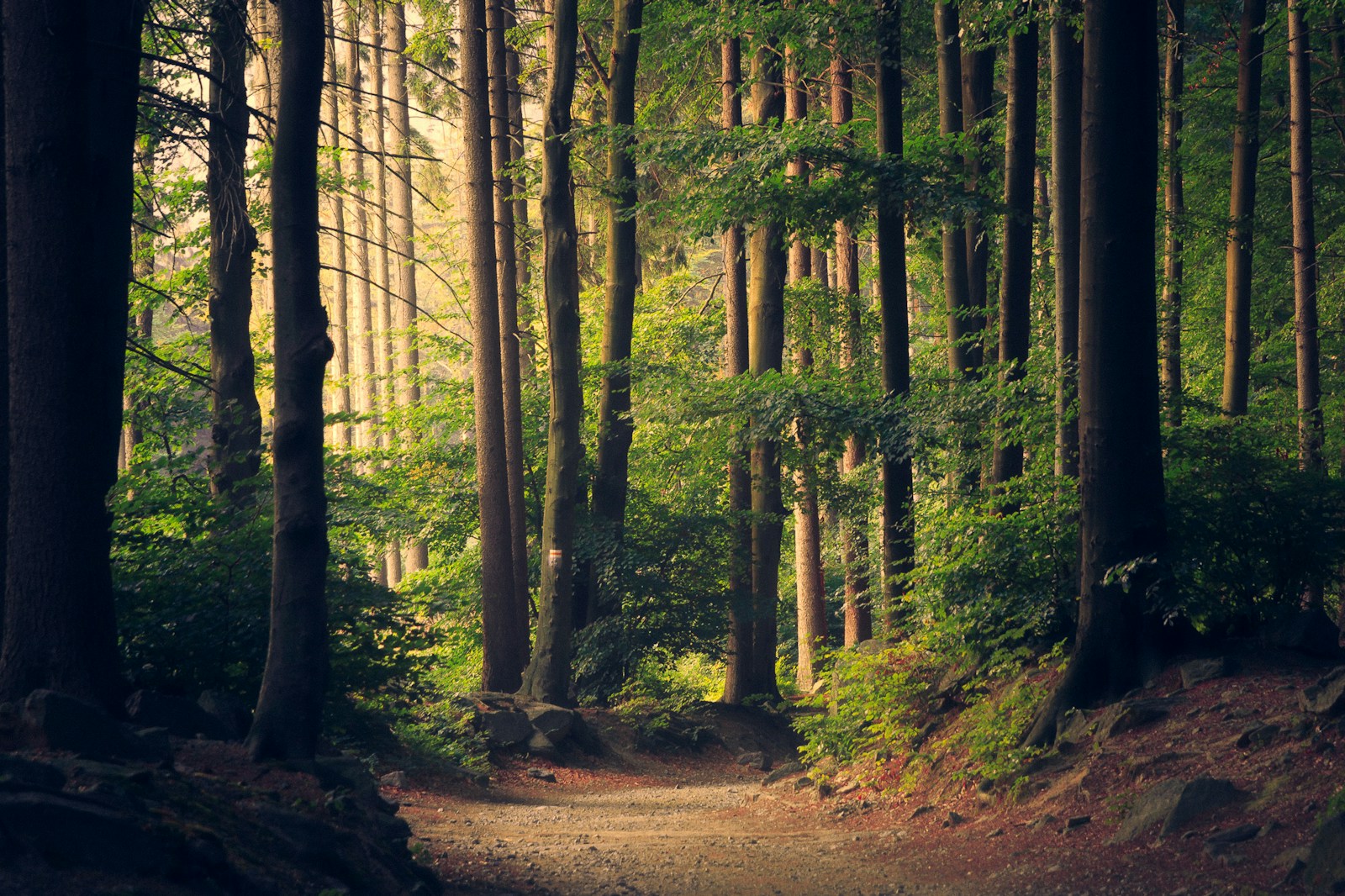
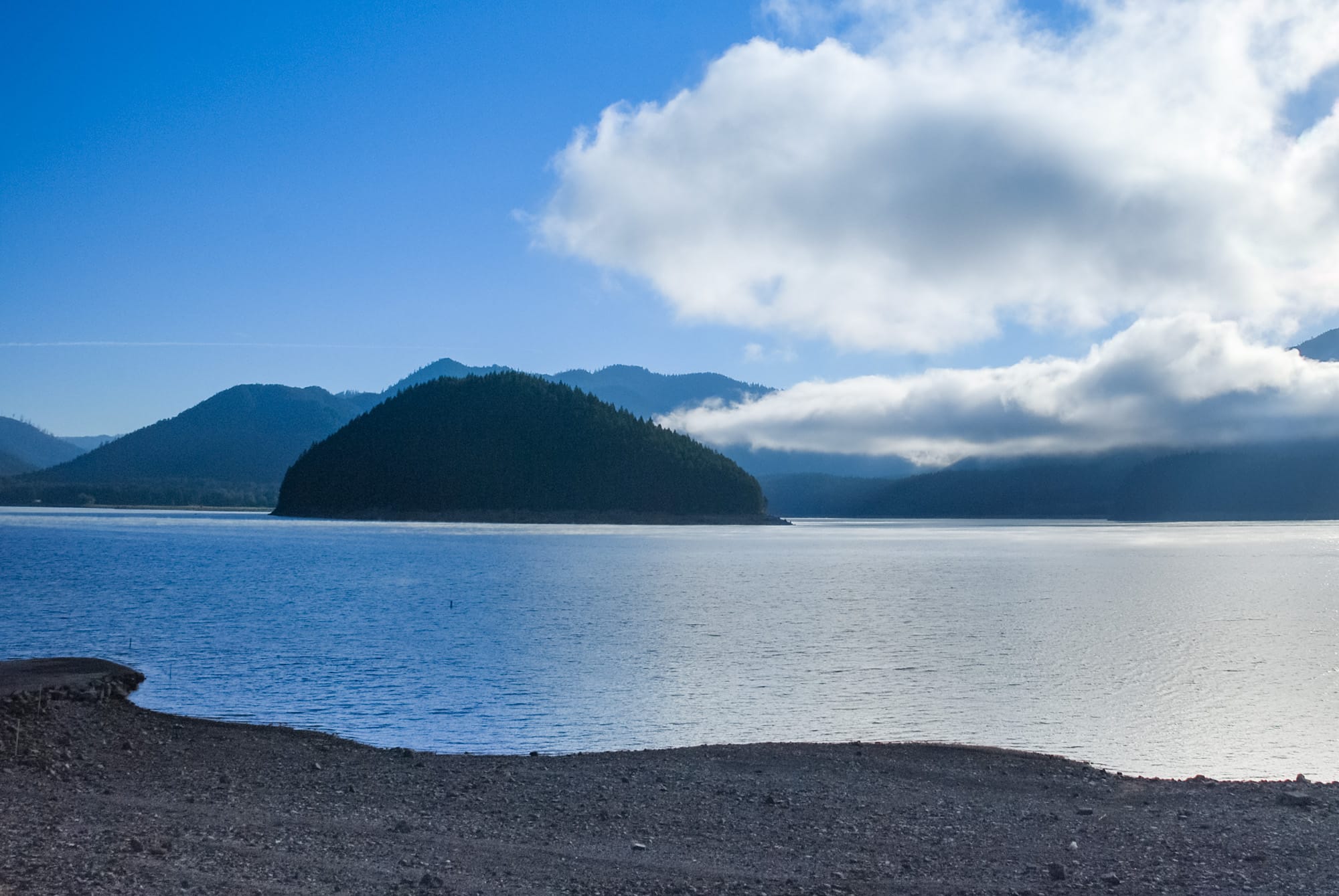
Mongold Day-Use Area provides beach access and picnicking on Detroit Lake — one of Oregon’s most popular mountain reservoirs. The lake sits in the Cascade Range at 1,569 feet elevation, surrounded by dense Douglas fir forest with views of snow-capped Mt. Jefferson (10,497 ft) — Oregon’s second highest peak. The day-use area features a swim beach, picnic facilities, and access to the warm waters of the reservoir, which can reach 70°F by midsummer.
Visitor Information
| Detail | Information |
|---|---|
| Location | Detroit Lake, Marion County, OR |
| Entry Fee | $10/vehicle day-use parking permit ($12 non-resident) |
| Lake | Detroit Lake (1,569 ft elevation) |
| Views | Mt. Jefferson (10,497 ft) |
Frequently Asked Questions
Is the water warm enough for swimming?
Detroit Lake reaches 68-72°F by late July — comfortable for swimming. The lake is popular for waterskiing and wakeboarding due to the relatively warm water and protected setting.
Was Detroit Lake affected by the 2020 fires?
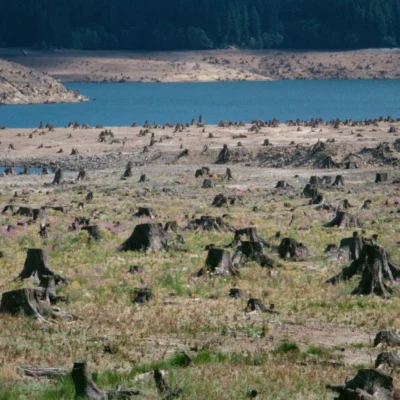
Yes — the Beachie Creek Fire burned through the Detroit area in September 2020, destroying the town of Detroit and severely burning surrounding forests. The area is rebuilding, and the forest is regenerating — fireweed, huckleberries, and young trees are establishing.
About Mongold
Mongold Day-Use Area is a popular swimming spot on the shores of Timothy Lake in the Mt. Hood National Forest. The lake sits at 3,200 feet elevation surrounded by old-growth forest with views of Mt. Hood. The warm, shallow swimming beach makes it one of the best family swimming spots near Portland.
Things to Do
Swimming in the warm lake, fishing for stocked rainbow trout and kokanee salmon, kayaking, and picnicking. The Timothy Lake Trail circles the entire lake (12 miles). Mt. Hood views are spectacular from the beach.
Insider Tips
Detroit Lake access: Mongold provides day-use access to Detroit Lake — a popular Willamette National Forest reservoir. Pro tip: The lake is excellent for water skiing, fishing, and swimming when full. Post-fire reality: The 2020 Beachie Creek/Lionshead fires severely burned the surrounding forest — the recovering landscape offers a sobering lesson in wildfire ecology and forest resilience.
Best Time to Visit
Summer: Swimming and boating when the reservoir is full. Spring: Wildflowers in fire-recovery areas. Fall: Fishing and fall colors on surviving trees. Winter: Quiet but potentially snowy.
Wildlife & Nature
Mongold Day-Use Area provides lake recreation in Oregon’s forest landscape. Oregon’s state recreation sites and day-use areas provide essential access points to the state’s remarkable water resources — Oregon has more than 6,000 lakes, 112,000 miles of rivers and streams, and 363 miles of coastline. The surrounding forest supports Oregon’s characteristic wildlife communities. Black-tailed deer — the Pacific Coast subspecies of mule deer — are the most common large mammals in western Oregon. Douglas squirrels (chickarees) scold hikers from the treetops with their distinctive chattering calls. Osprey — “fish hawks” — dive feet-first into the water to catch fish, the only raptor in North America that hunts this way. Their specially adapted feet have spiny scales for gripping slippery fish.
Nearby Attractions
Oregon’s recreation sites connect to a vast network of outdoor opportunities. Oregon State Parks — 254 properties totaling 115,000+ acres — form one of the nation’s most comprehensive park systems. National Forests covering 15.7 million acres provide extensive recreation. Oregon’s lakes range from alpine tarns to warm lowland reservoirs. Detroit Lake, Timothy Lake, Wallowa Lake, and Crater Lake represent the diversity. Oregon Fishing Licenses support habitat conservation through dedicated funding.
Make it a road trip: Pair a visit with Dyer State Wayside (a short drive away) or Detroit Lake State Recreation Area (a short drive away).
🏊 Visit Mongold Day-Use Area
Cascade mountain lake — swimming and Mt. Jefferson views at Detroit Lake.

🐾 Dogs & Pets at Mongold Day-Use Area
- Pets allowed? statewide rule
- Pets are welcome in Oregon state parks and on most ocean beaches but must be leashed except in designated off-leash areas.
- Leash rule statewide rule
- Leash no longer than 6 feet required in developed park areas
- Beaches & swim areas statewide rule
- Pets are allowed on most ocean beaches under direct control; western snowy plover nesting areas restrict pets March 15 - Sept. 15; leash required on the beach at some parks (e.g. Cape Lookout)
- Cabins & lodging statewide rule
- Designated pet-friendly yurts and cabins at many parks (South Beach has 14 pet-friendly yurts, Tugman 8); maximum two dogs and/or cats; $10 per night pet fee
- Pet fees statewide rule
- $10 per night for pet-friendly yurts/cabins; no pet fee for day use or campsites
- Statewide exceptions statewide rule
- Pets prohibited at Dabney SRA, the Trail of Ten Falls at Silver Falls, and Shore Acres; off-leash areas at Stub Stewart, Willamette Mission, Elijah Bristow, Cottonwood Canyon and LaPine
Are dogs allowed at Mongold Day-Use Area?
Pets are welcome in Oregon state parks and on most ocean beaches but must be leashed except in designated off-leash areas. Individual parks can post stricter rules — check signage on arrival.
Rules verified July 2026 via stateparks.oregon.gov. More: Oregon state parks guide · Dog rules in all 50 states compared
Park Location
Plan your gear for Mongold Day-Use Area
From our editorial guides, matched to this park’s activities: