Park Pass & Fees
Hawaii residents generally enjoy free access to most state parks. Non-residents may need to pay entry fees at select parks — some require advance reservations. The Nonresident Entrance Pass ($50/year or $35 for 7 consecutive days) covers entry to most state parks. Camping fees run $25/night for residents and $30/night for non-residents. Wai’ānapanapa State Park (Road to Hana, Maui) requires advance reservations for all visitors. Several parks limit daily capacity to protect sensitive ecosystems.
Parks by Island
O’ahu
Diamond Head State Monument is Hawaii’s most iconic hike — a 760-foot volcanic crater with a 0.8-mile trail to 360° panoramic views of Waikīkī and the Pacific. Ka’ena Point State Park at O’ahu’s westernmost tip offers a rugged coastal trail to an albatross nesting colony. Kaiwi State Scenic Shoreline features the scenic Makapu’u Lighthouse Trail, one of the best whale-watching spots in Hawaii (winter months).
Maui
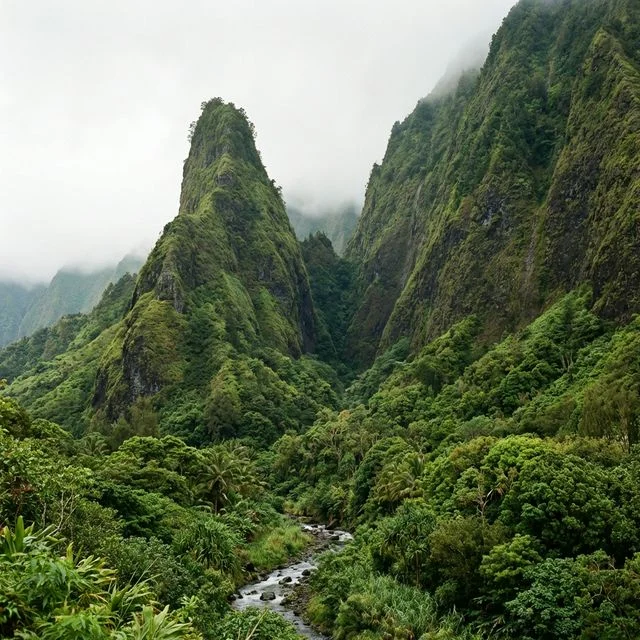
Wai’ānapanapa State Park on the legendary Road to Hana features jet-black volcanic sand beaches, sea caves, blowholes, and lush jungle trails. ‘Īao Valley State Monument preserves the sacred ‘Īao Needle — a 1,200-foot moss-covered volcanic spire — and the site of one of Hawaiʻi’s most important battles. Polipoli Spring State Recreation Area on Haleakalā’s slopes offers a surreal cloud forest with redwood and eucalyptus groves.
Big Island (Hawai’i)
‘Akaka Falls State Park showcases a 442-foot waterfall plunging into a tropical gorge — one of the tallest in the state. Lapakahi State Historical Park preserves a 600-year-old Hawaiian fishing village. Hapuna Beach State Recreation Area is consistently rated one of the world’s best beaches, with white sand, calm waters, and excellent snorkeling.
Kaua’i
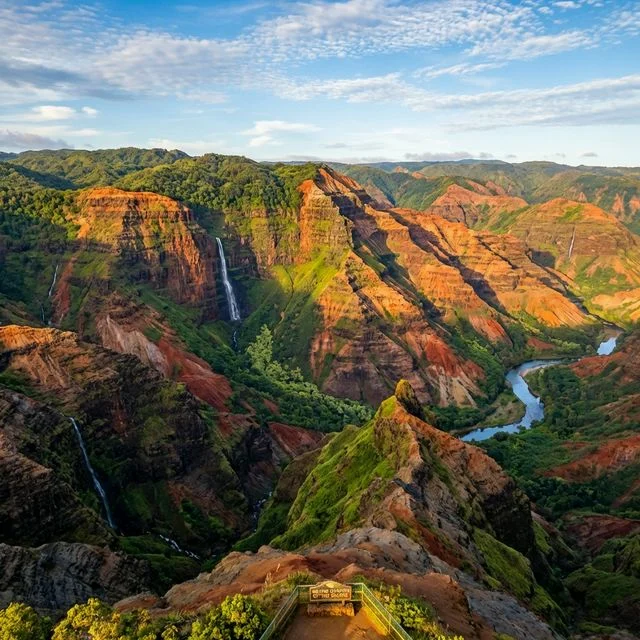
Nā Pali Coast State Wilderness Park is arguably the most spectacular state park in all of America — 6,175 acres of razor-sharp sea cliffs rising 4,000 feet from the Pacific, accessible only by the legendary 11-mile Kalalau Trail, by sea, or by helicopter. Kōkeʻe State Park perches above the Nā Pali coast at 4,000 feet, with 45 miles of trails through montane forest and the stunning Kalalau Lookout.
Moloka’i & Lāna’i
Pālā’au State Park on Moloka’i overlooks the Kalaupapa Peninsula — the former Hansen’s disease settlement — with dramatic 1,600-foot sea cliffs. Hulopo’e Bay on Lāna’i is one of the finest marine reserves in Hawaii.
Best Parks by Activity
Best for Hiking
- Nā Pali Coast (Kalalau Trail) — 11-mile legendary coastal trail
- Diamond Head State Monument — Iconic crater summit hike
- Kōkeʻe State Park — 45 miles of montane trails
- ‘Akaka Falls State Park — Easy tropical waterfall walk
Best for Beaches
- Hapuna Beach State Recreation Area — World-class white sand beach
- Wai’ānapanapa State Park — Black sand beach on Road to Hana
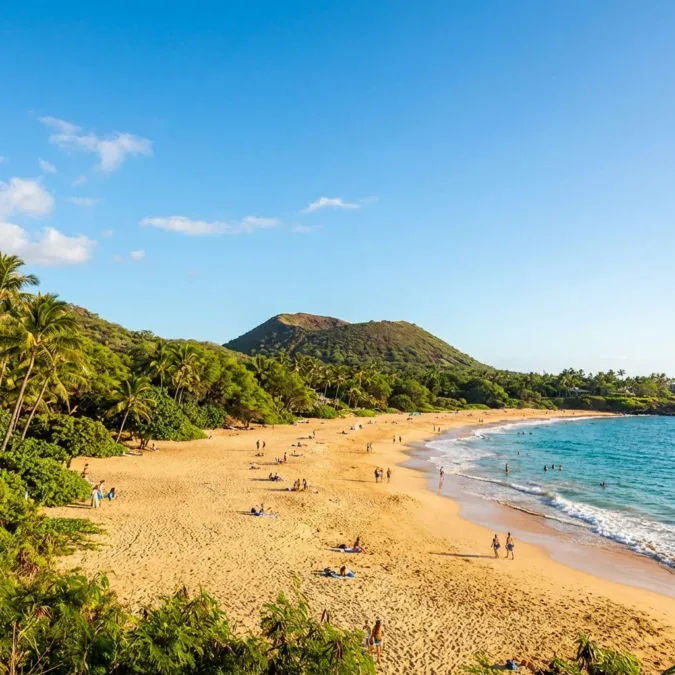
- Mākena State Park — Big Beach, one of Maui’s best
- Pōlihale State Park — Remote 17-mile beach on Kaua’i’s west side
Best for Snorkeling & Water
- Hapuna Beach — Calm, clear waters perfect for snorkeling
- Hulopo’e Bay (Lāna’i) — Marine preserve with spinner dolphins
- Kealakekua Bay — Captain Cook monument and pristine reef
- Wai’ānapanapa State Park — Sea caves and coastal exploring
Best for Culture & History
- ‘Īao Valley State Monument — Sacred valley and historic battle site
- Lapakahi State Historical Park — Ancient fishing village
- Pālā’au State Park — Kalaupapa overlook
- Diamond Head State Monument — WWII military history
Best Time to Visit
| Season | Highlights |
|---|---|
| Winter (Dec–Mar) | Whale watching (humpbacks), greener landscapes, big surf |
| Spring (Apr–May) | Fewer crowds, warm water, excellent hiking conditions |
| Summer (Jun–Aug) | Calmest ocean conditions, best snorkeling, peak tourism |
| Fall (Sep–Nov) | Lowest prices, warm weather, smaller crowds |
FAQs
Are Hawaii state parks free?
Most parks are free for Hawaii residents. Non-residents pay entry fees at select parks. The Nonresident Entrance Pass ($50/year) covers most parks.
Do I need a reservation for Wai’ānapanapa State Park?
Yes! All visitors (including Hawaii residents) must make advance reservations. The park limits daily capacity to protect its sensitive ecosystem. Book early — especially for summer and holidays.
How difficult is the Kalalau Trail?
The full 11-mile Kalalau Trail on the Nā Pali Coast is one of the most challenging and rewarding trails in the world. A permit is required for dayhikes beyond Hanakapi’ai (2 miles) and for camping. The first 2 miles to Hanakapi’ai Beach are accessible with a day-use permit.
What is the best island for state parks?
Kaua’i offers the most dramatic parks (Nā Pali Coast, Kōkeʻe), while the Big Island has the most diverse landscapes. O’ahu’s Diamond Head is the most accessible, and Maui’s Road to Hana parks are legendary.
Start Your Hawaii Adventure
Hawaii’s 51 state parks offer experiences available nowhere else on the planet — walk the edge of sea cliffs that drop 4,000 feet, swim at black sand beaches formed by volcanic eruptions, and hike through forests that transition from tropical rainforest to alpine desert. These islands define paradise, and their state parks are the best way to experience it.