Texas State Parks Pass: Is It Worth It?
The Texas State Parks Pass costs $95 per year (increased from $70 in September 2024) and provides:
- ✅ Unlimited day-use entry to all 89+ Texas State Parks
- ✅ 50% off second camping night (consecutive nights, same site)
- ✅ 10% discount on retail and rentals at park stores
- ✅ Secondary pass available for $25 (same household)
Break-even point: If you visit parks with a $7 average entry fee, the pass pays for itself after 14 visits per year—or just over once per month.
Where to Buy:
- Texas Parks & Wildlife Online Store
- Any Texas State Park headquarters
- Phone: 512-389-8900
7 Regions of Texas State Parks
Texas officially divides its state parks into 7 natural regions, each with distinct landscapes and outdoor experiences:
1. Big Bend Country (Far West Texas)
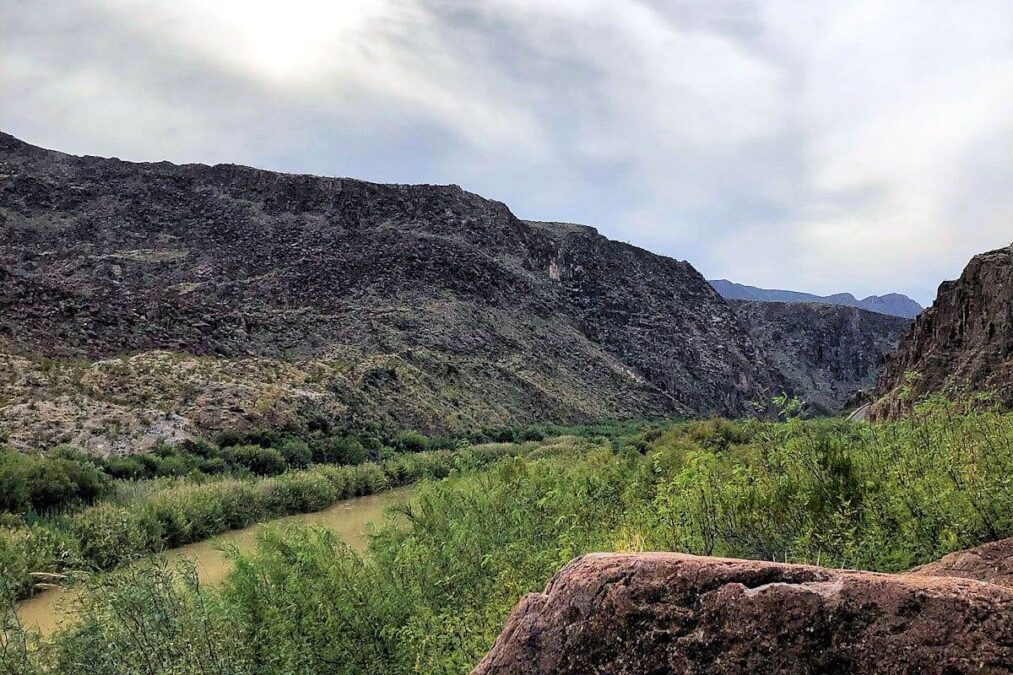
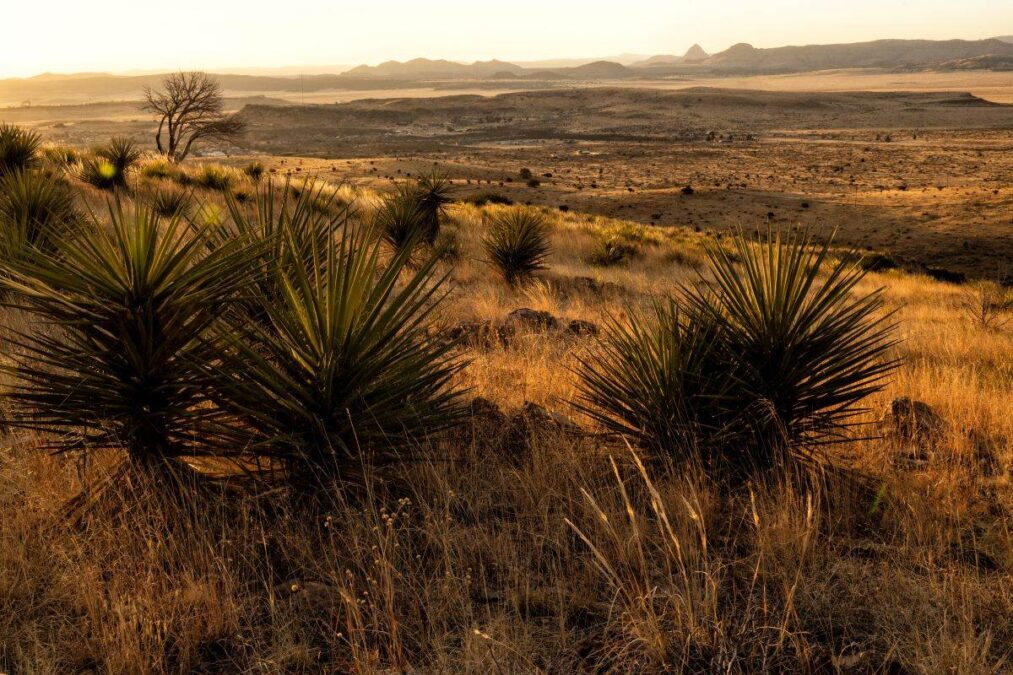
Landscape: Desert mountains, canyons, Rio Grande frontier
Signature Parks:
- Big Bend Ranch State Park – Texas’s largest state park (311,000 acres); remote wilderness
- Balmorhea State Park – Crystal-clear spring-fed pool (76°F year-round)
- Franklin Mountains State Park – Largest urban wilderness park in America (27,000 acres in El Paso)
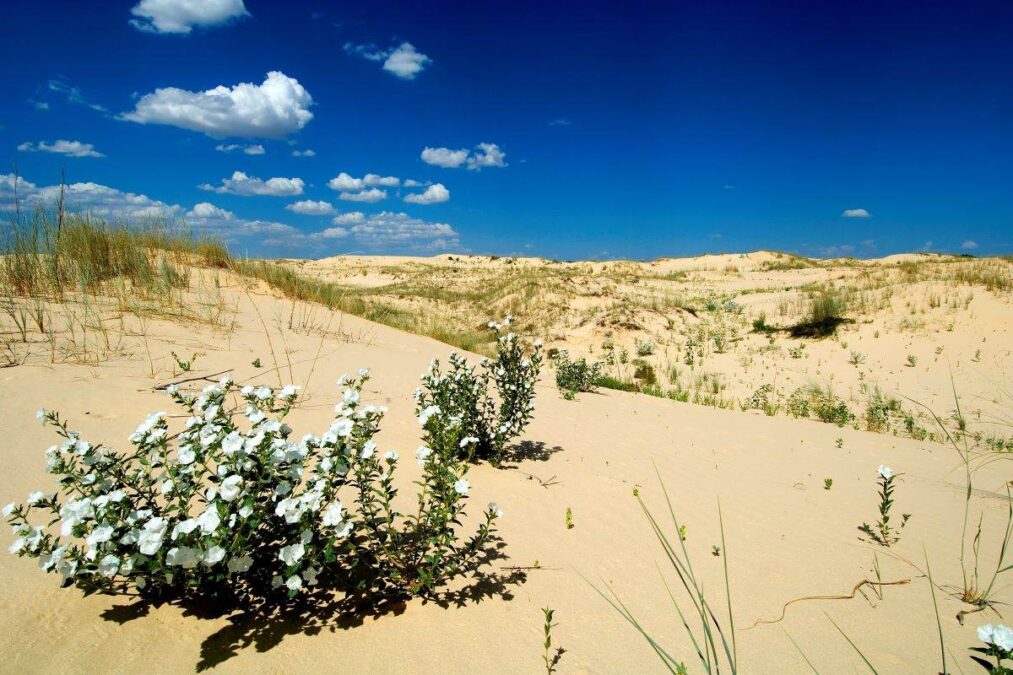
- Monahans Sandhills State Park – Active dunes; sandboarding ($2 disks)
- Hueco Tanks State Park – World-class bouldering; pictograph sites
Best For: Desert solitude, stargazing, rock climbing, spring swimming
2. Gulf Coast
Landscape: Barrier islands, beaches, marshes, estuaries
Signature Parks:
- Galveston Island State Park – Barrier island beach camping; kayaking
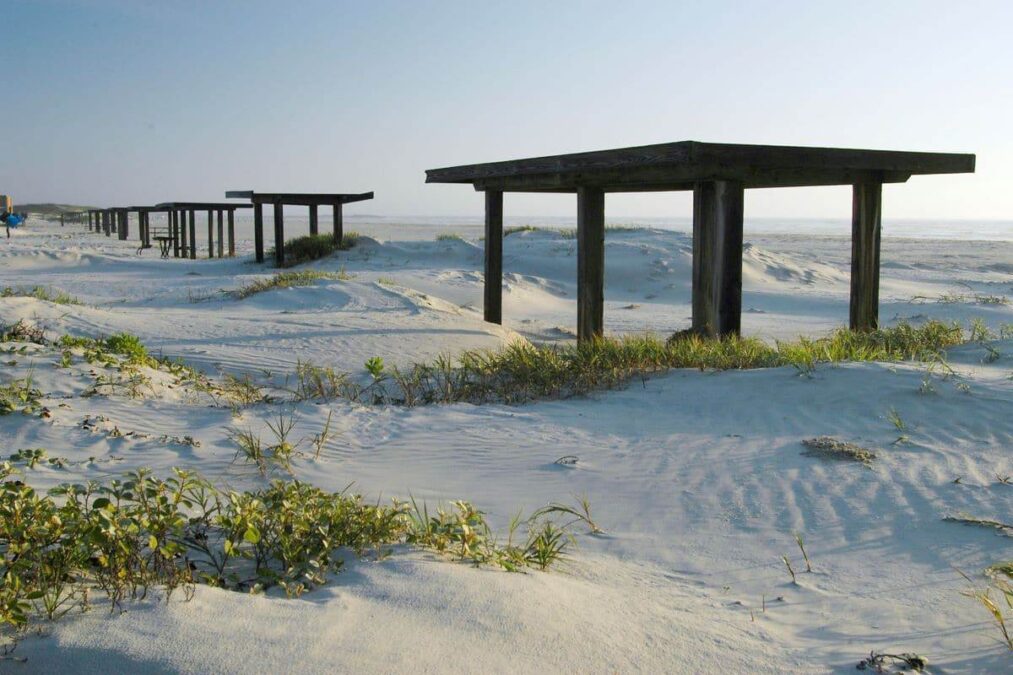
- Mustang Island State Park – 5 miles of Gulf beach; sea turtle nesting
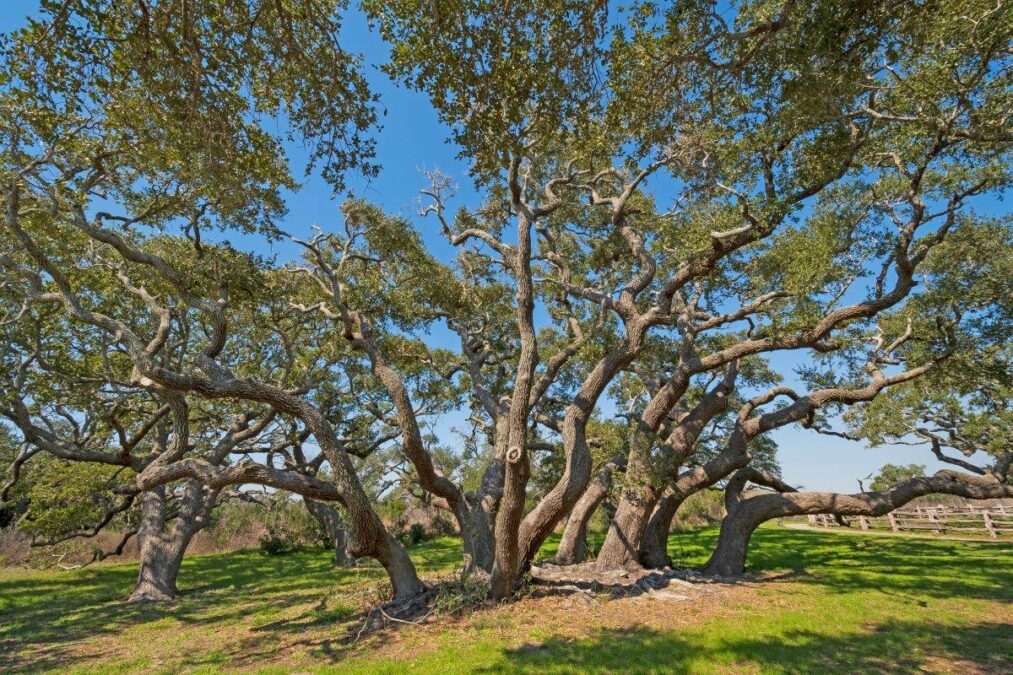
- Goose Island State Park – “Big Tree” (1,000+ year old live oak); birding
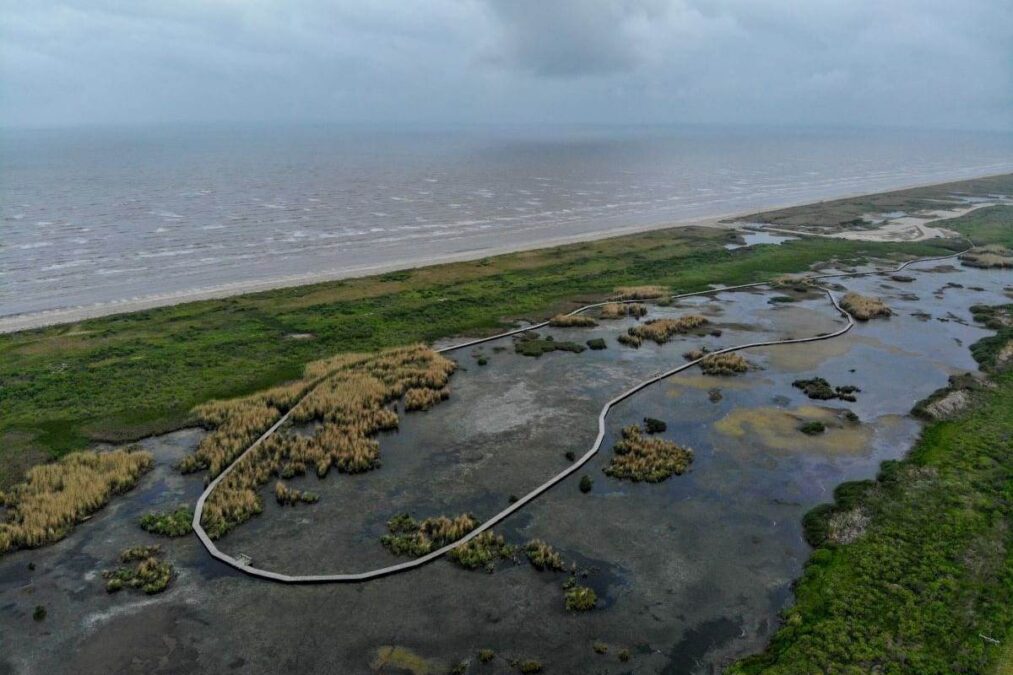
- Sea Rim State Park – Boardwalks through coastal marsh; beach driving
Best For: Beach camping, fishing, kayaking, birdwatching (Central Flyway)
3. Hill Country
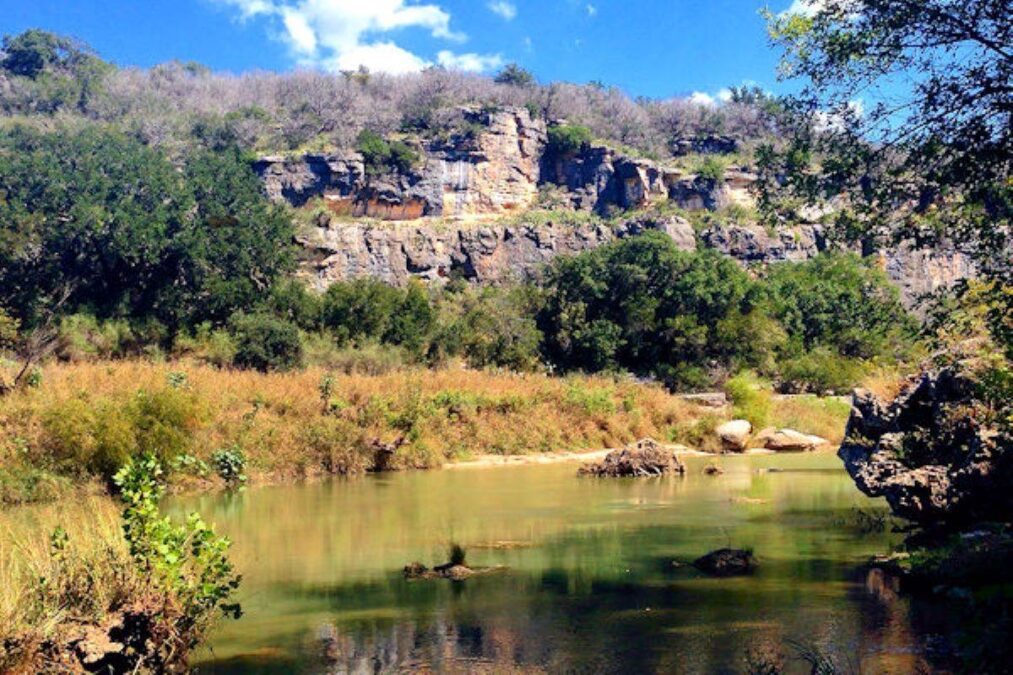
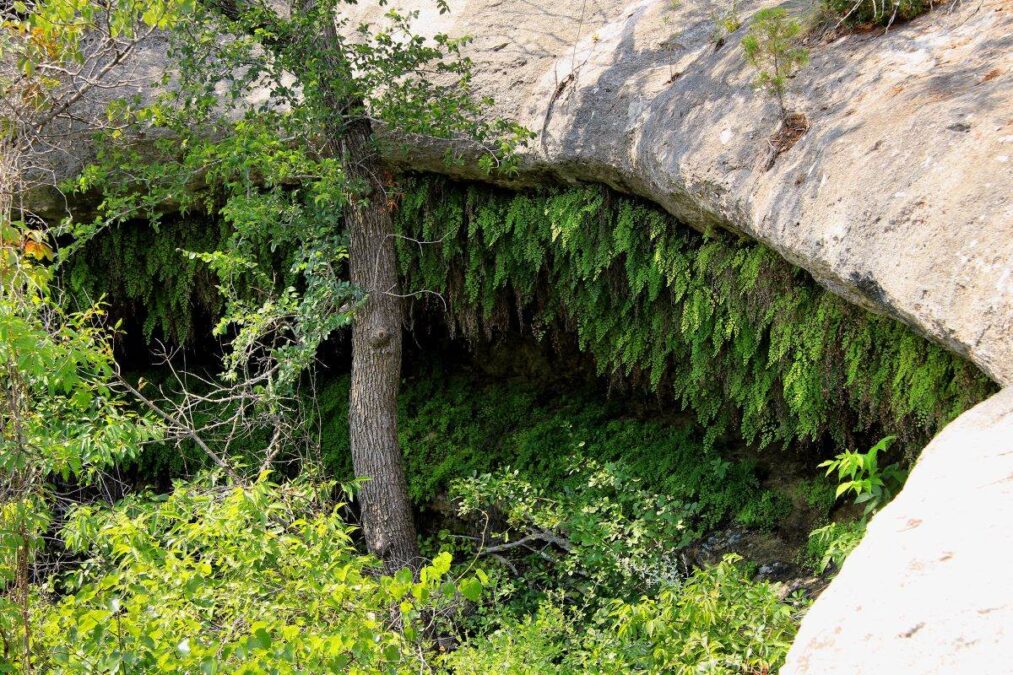
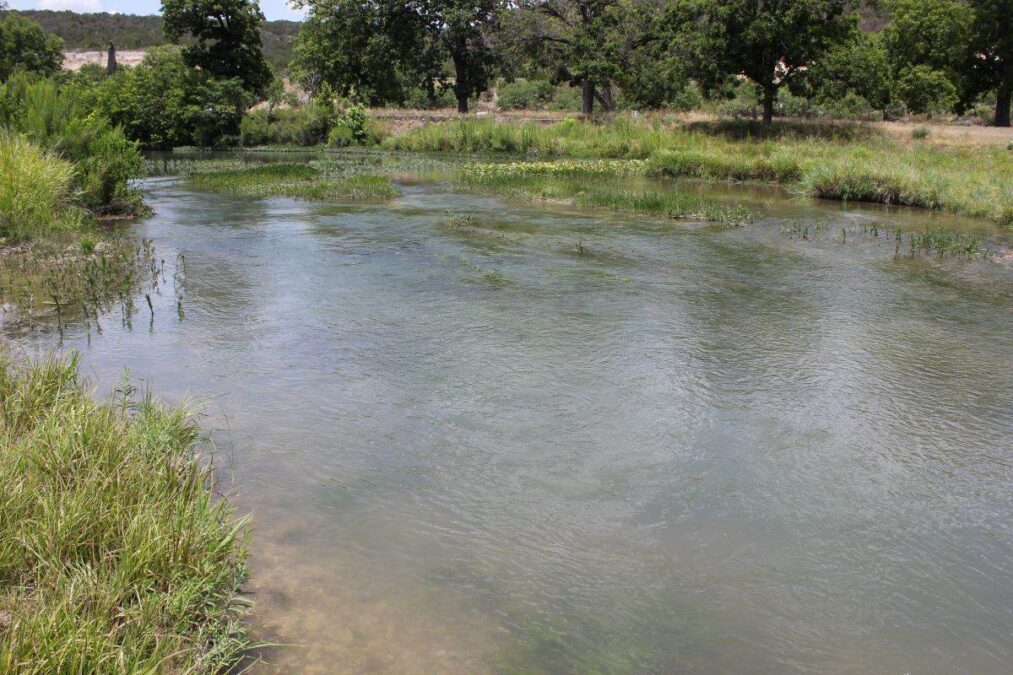
Landscape: Rolling hills, spring-fed rivers, limestone caves, fall foliage
Signature Parks:
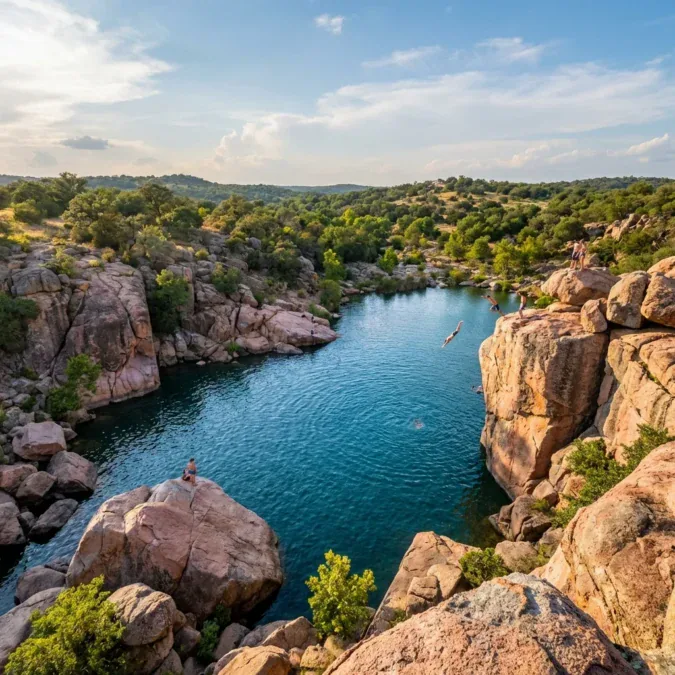
- Enchanted Rock State Natural Area – Iconic pink granite dome; Dark Sky Park
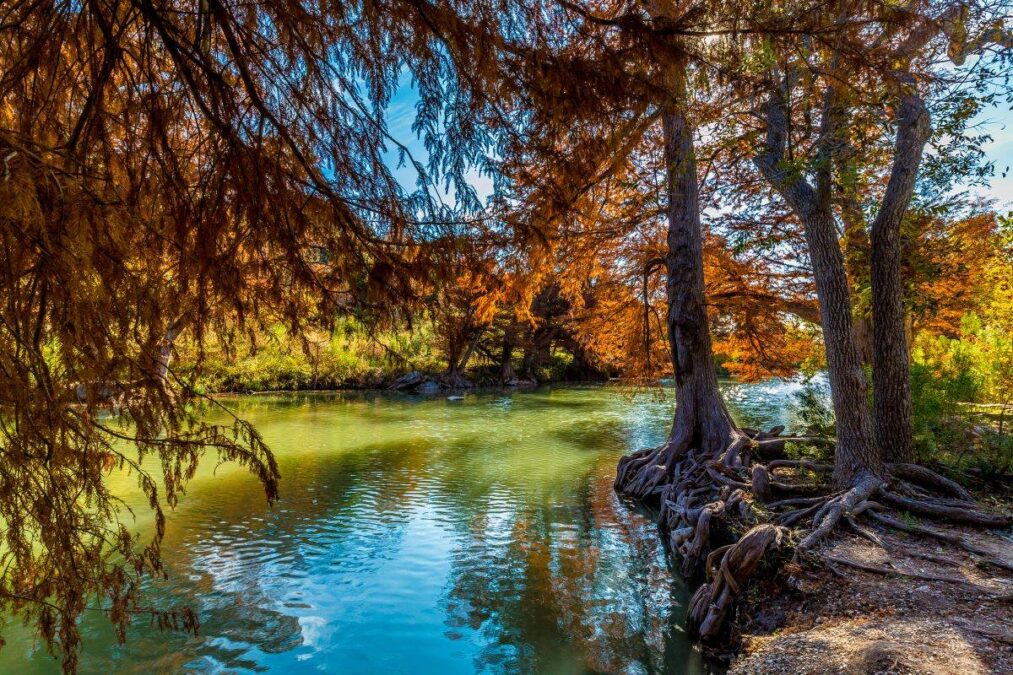
- Lost Maples State Natural Area – Texas’s premier fall foliage (bigtooth maples)
- Garner State Park – Frio River classic; most visited park in Texas
- Pedernales Falls State Park – Cascading limestone falls; swimming holes
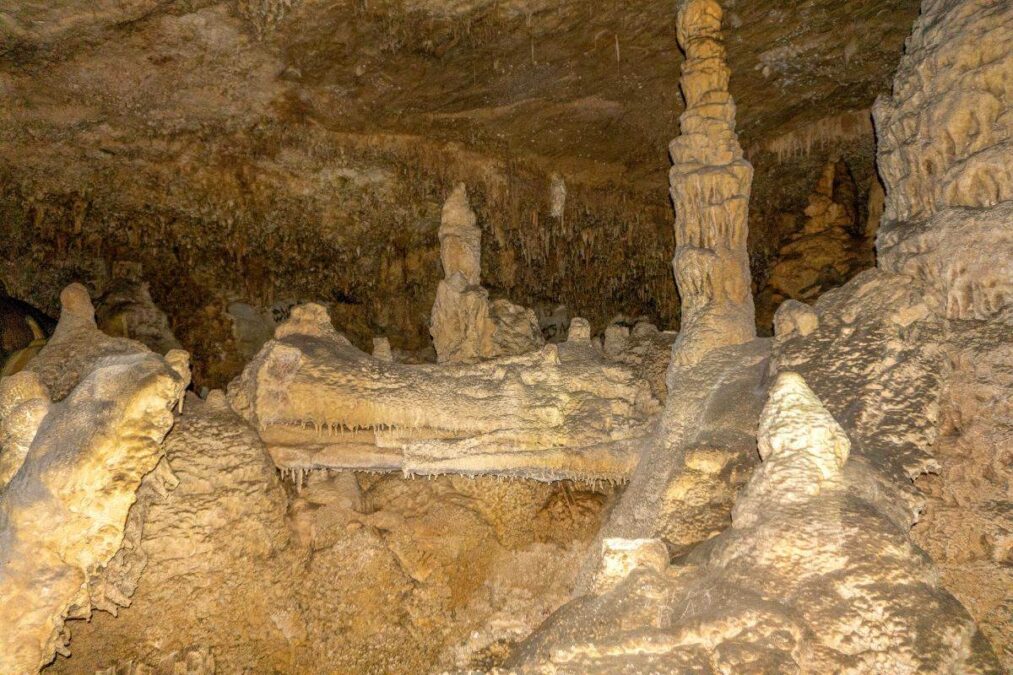
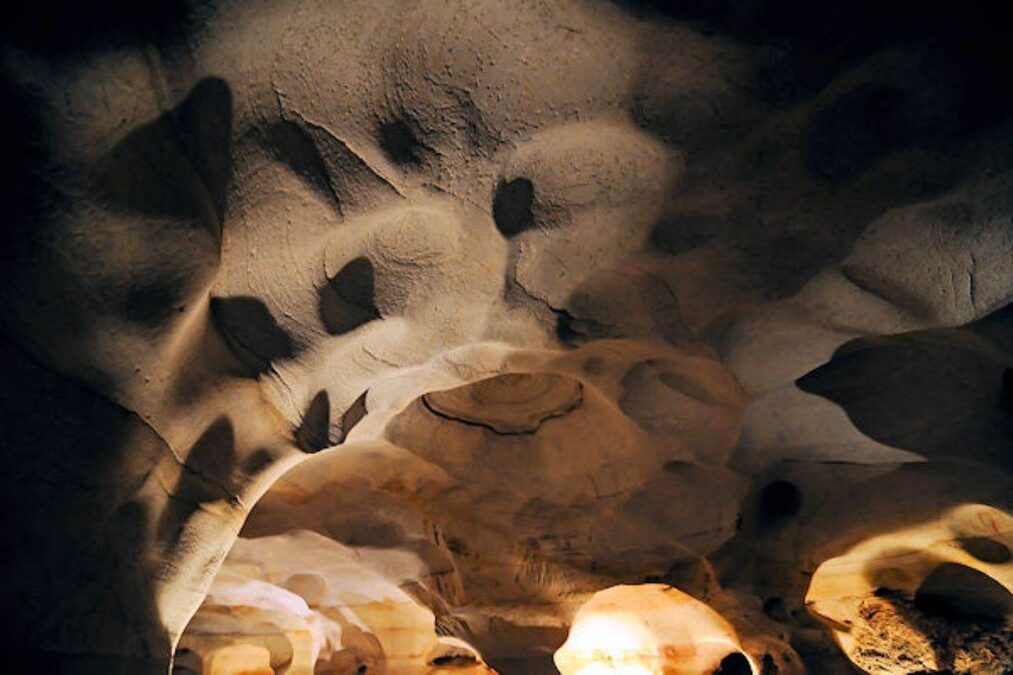
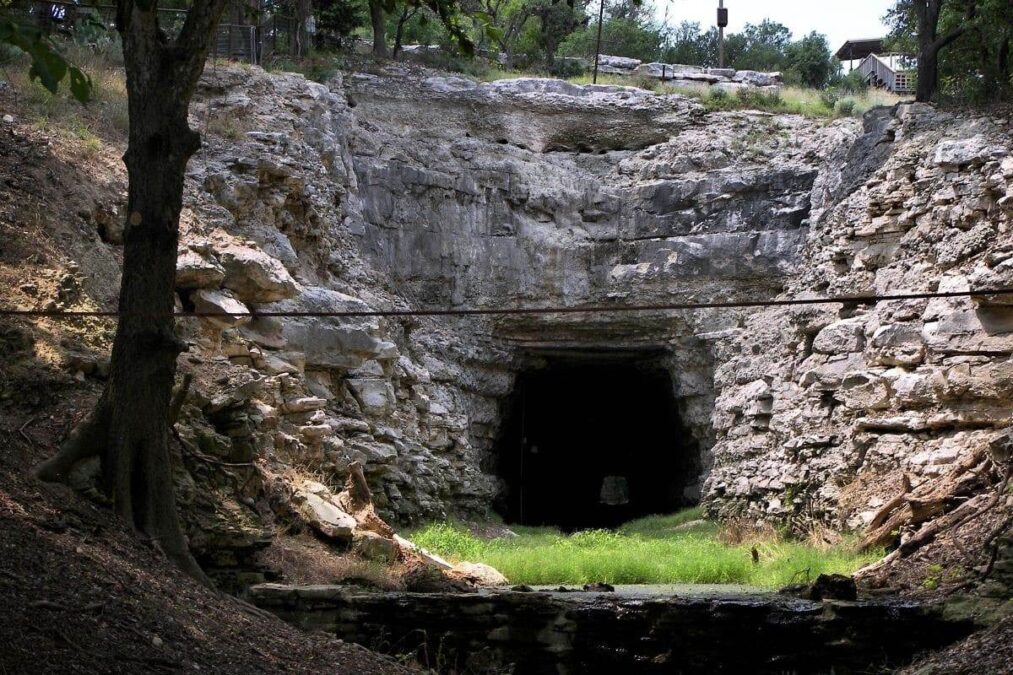
- Longhorn Cavern State Park – CCC-built showpiece; guided cave tours
- Guadalupe River State Park – 4 miles of river frontage; tubing
Best For: Swimming, tubing, cave exploration, fall colors, stargazing
4. Panhandle Plains
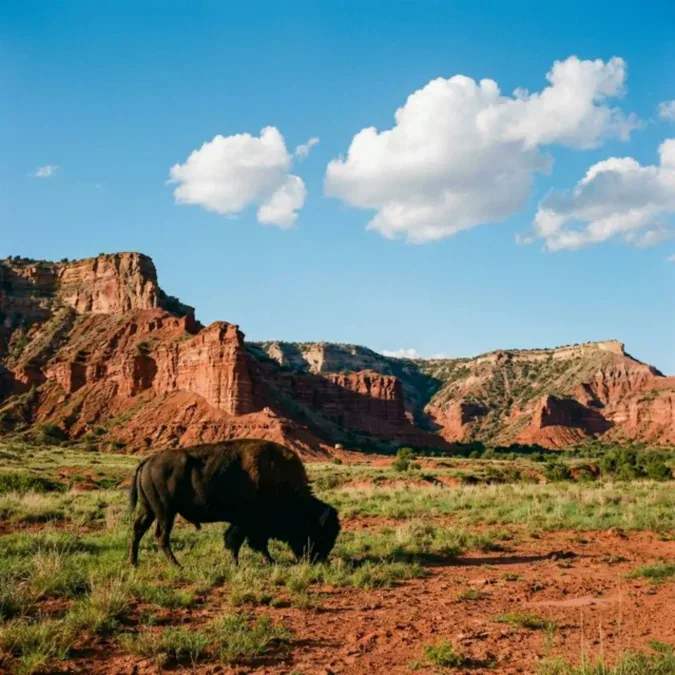
Landscape: Dramatic canyons, mesas, high plains, bison herds
Signature Parks:
- Palo Duro Canyon State Park – “Grand Canyon of Texas” (120 miles long, 800 ft deep)
- Caprock Canyons State Park – Official Texas State Bison Herd (~300 animals)
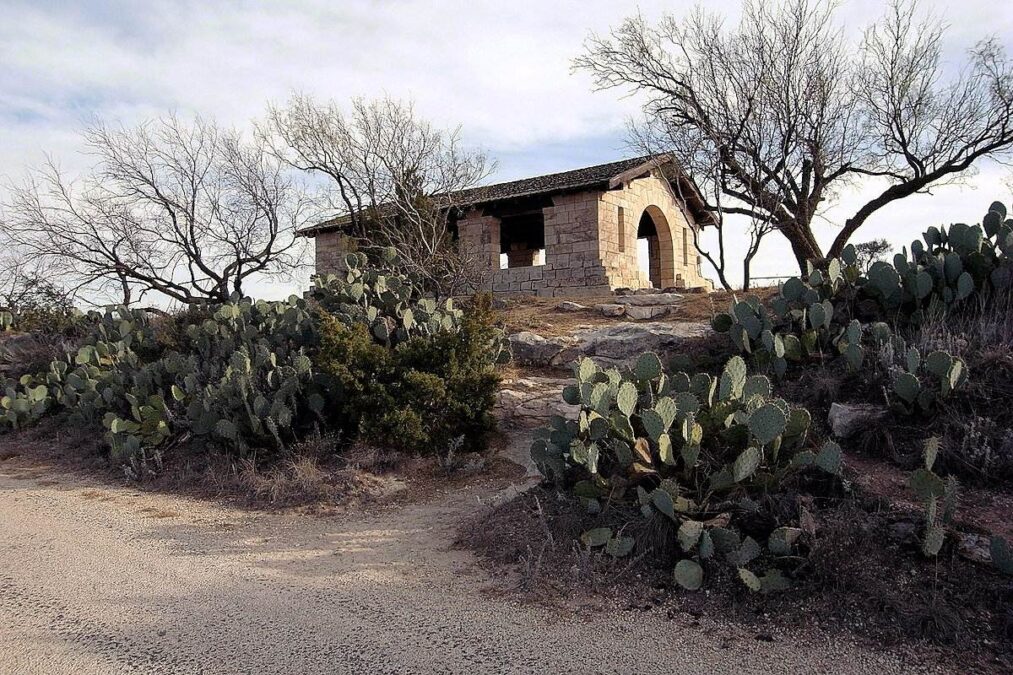
- Copper Breaks State Park – Dark Sky Park; Comanche heritage
- Lake Arrowhead State Park – Equestrian trails; prairie dogs
Best For: Canyon hiking, bison viewing, horseback riding, stargazing
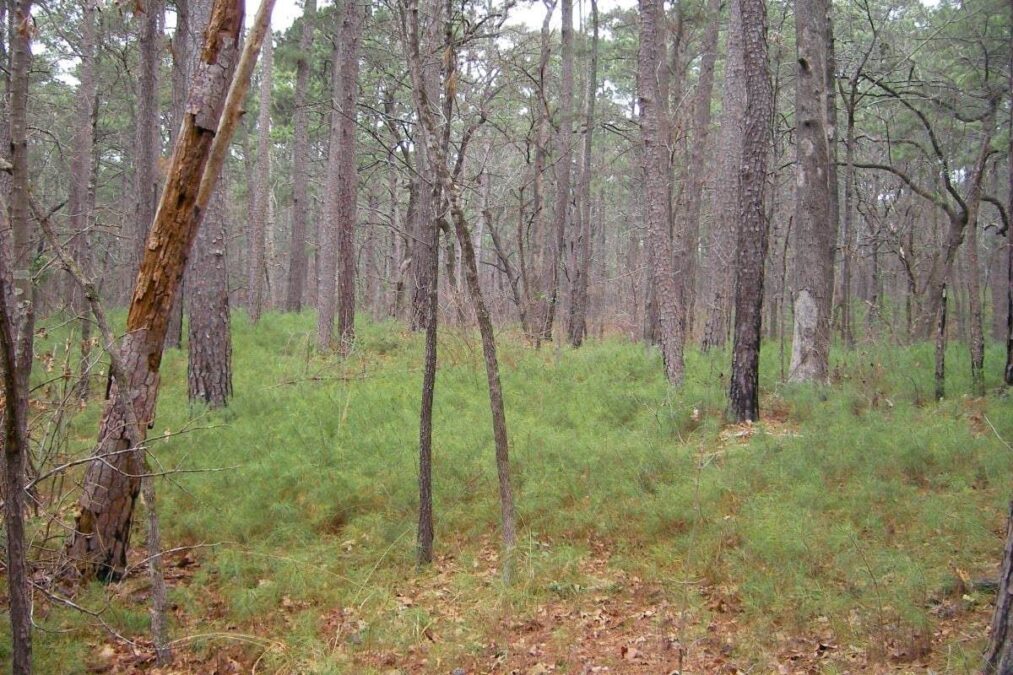
5. Pineywoods (East Texas)
Landscape: Pine and hardwood forests, spring-fed lakes, cypress swamps
Signature Parks:
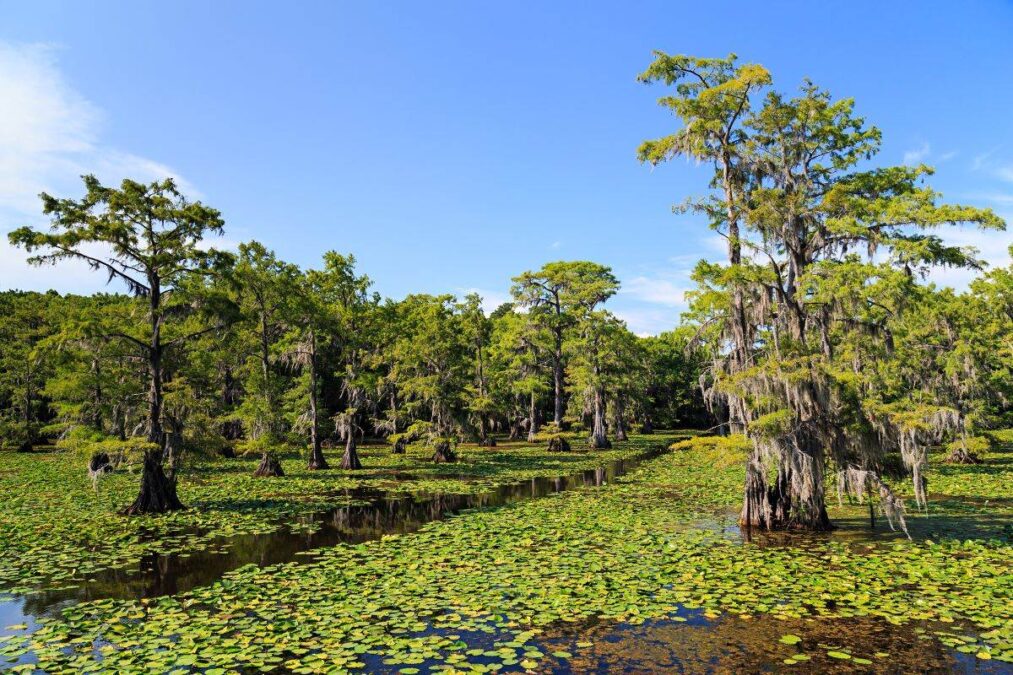
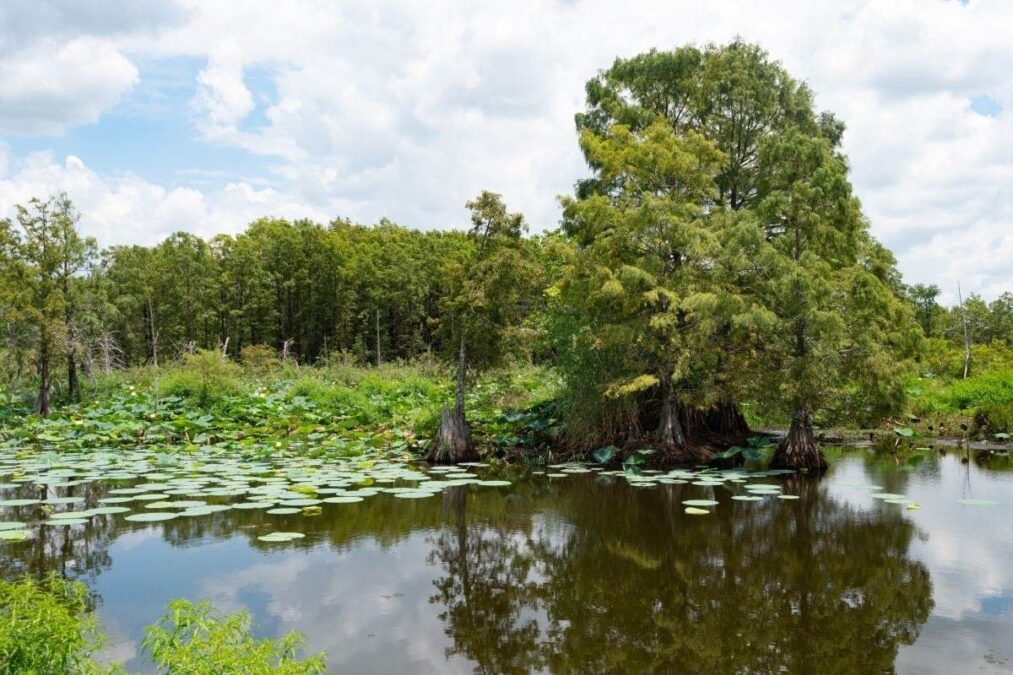
- Caddo Lake State Park – Texas’s only natural lake; cypress-tupelo swamp
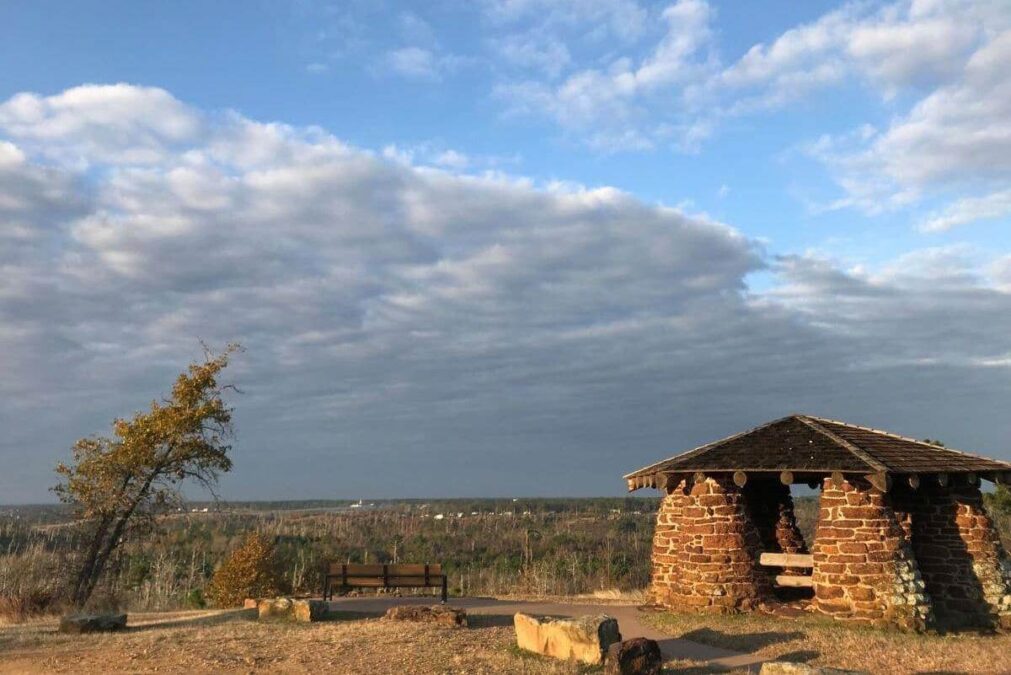
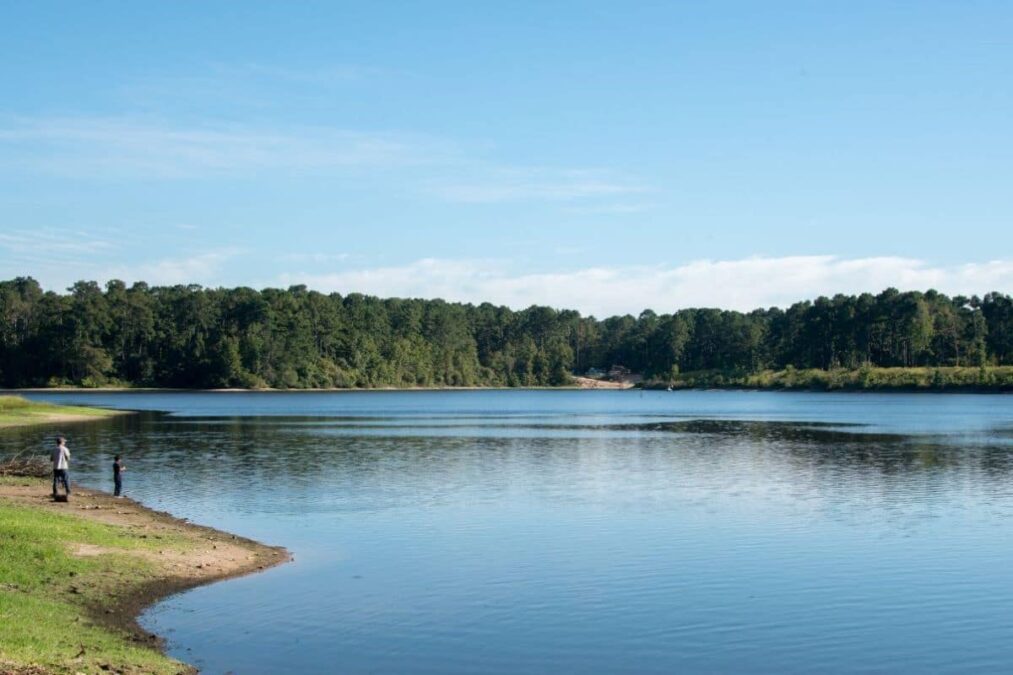
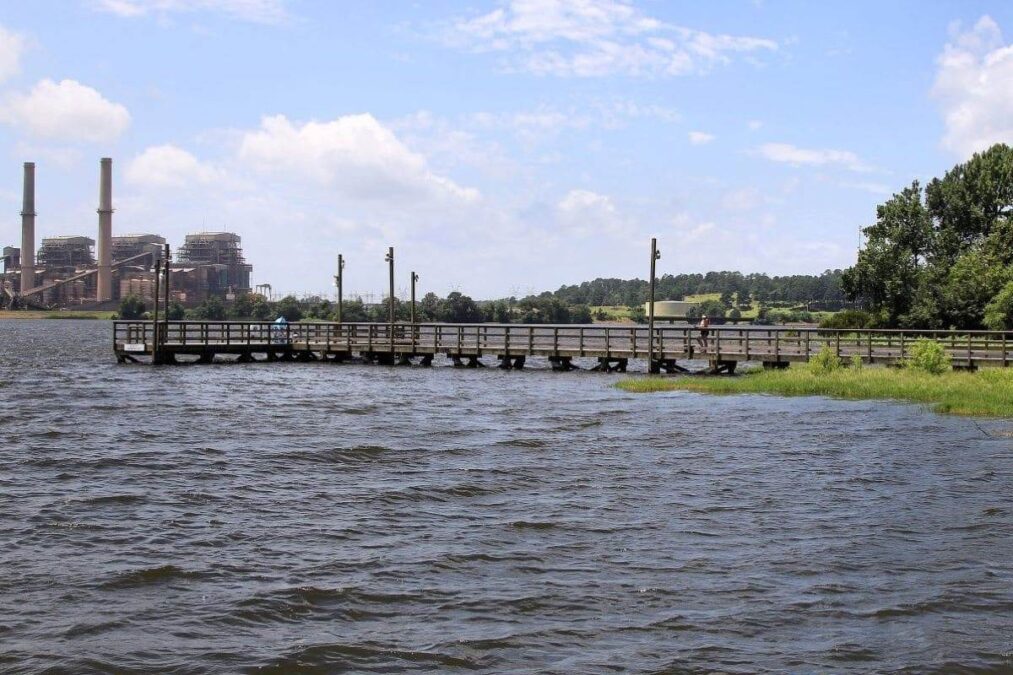
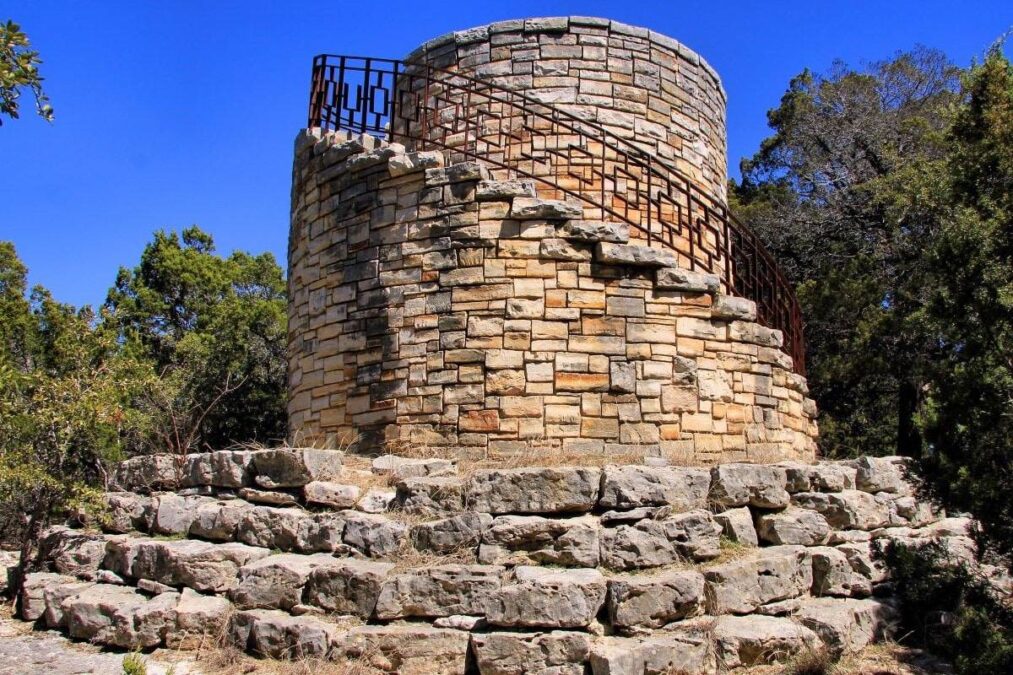
- Huntsville State Park – Lake Raven (alligator habitat); CCC architecture
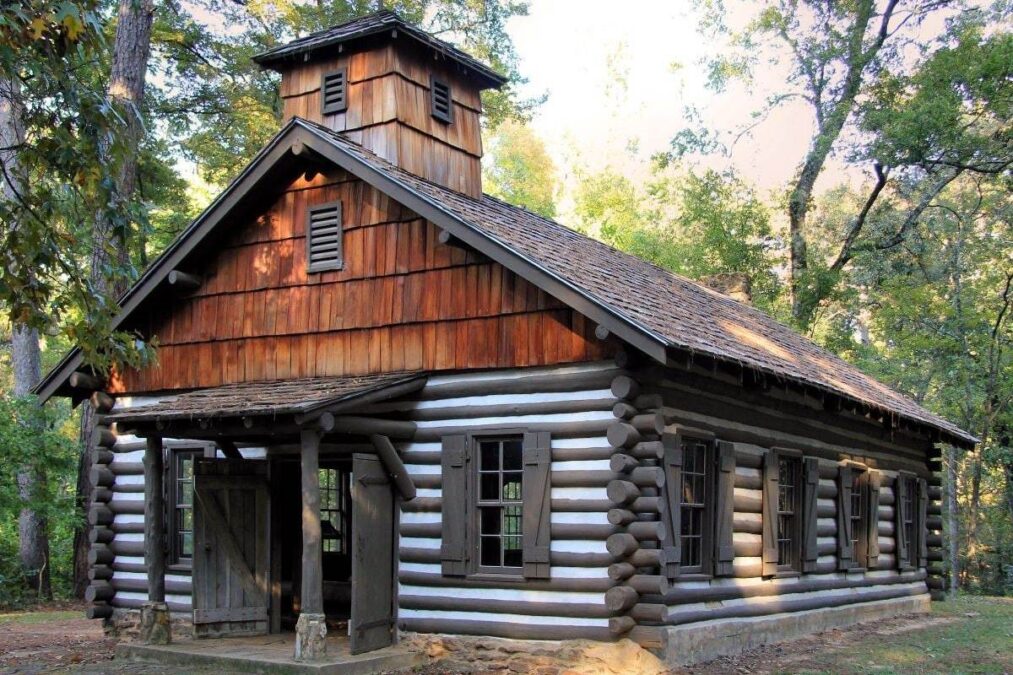
- Tyler State Park – Spring-fed lake; CCC cabins
- Daingerfield State Park – “Little Switzerland of Texas”; fall colors
- Mission Tejas State Park – First Spanish mission site in East Texas
Best For: Fishing, kayaking, CCC history, fall foliage, swamp exploration
6. Prairies & Lakes (North Texas / Central Texas)
Landscape: Blackland prairies, lakes, rivers, dinosaur tracks
Signature Parks:
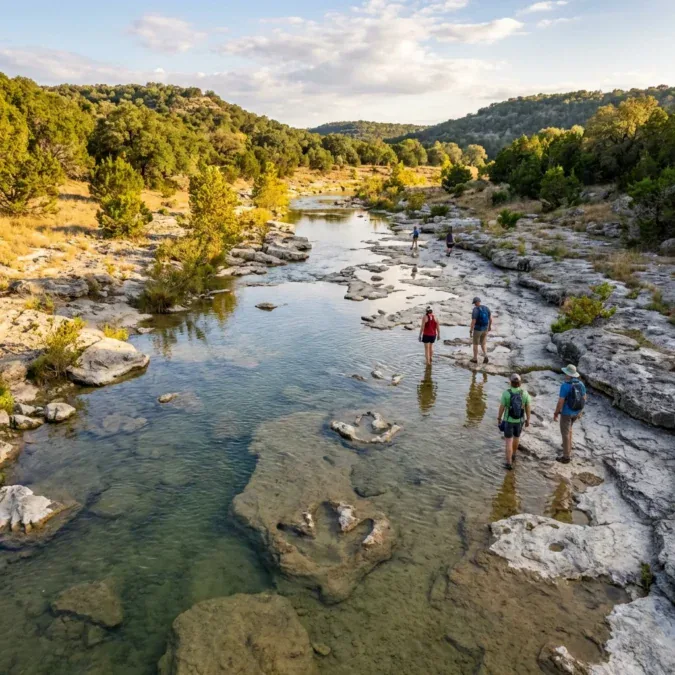
- Dinosaur Valley State Park – Authentic dinosaur footprints in riverbed
- Cedar Hill State Park – Dallas-Fort Worth urban escape; 860-acre Penn Farm
- Ray Roberts Lake State Park – Multi-unit park; 3 swimming beaches
- Cleburne State Park – CCC jewel; spring-fed lake
- Eisenhower State Park – Bluffs overlooking Lake Texoma
Best For: Dinosaur tracks, family swimming, urban escapes, history
7. South Texas Plains
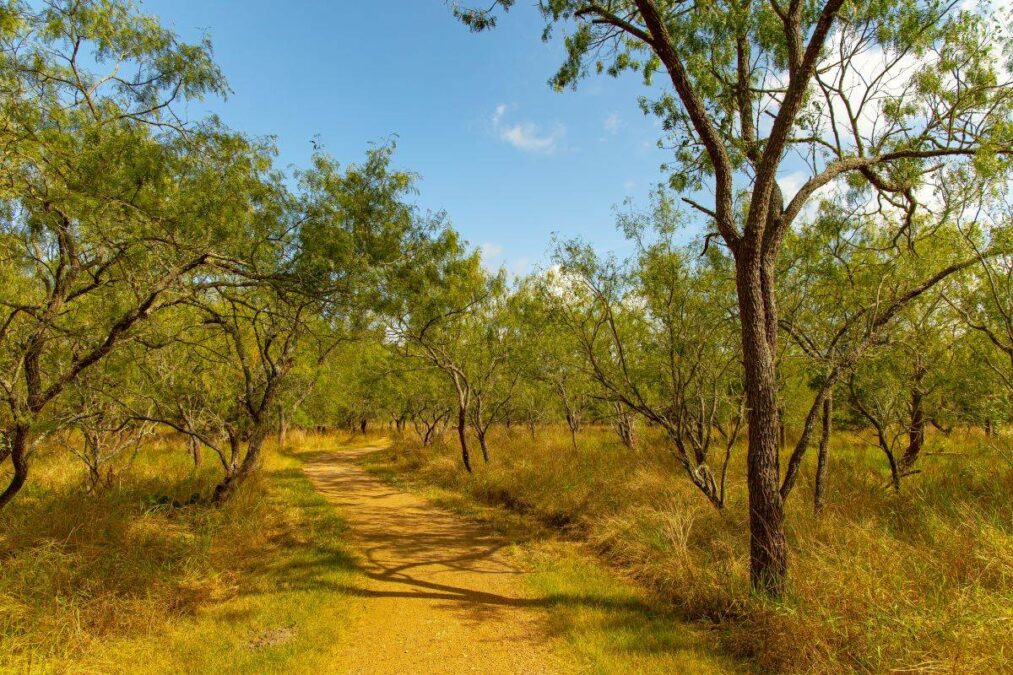
Landscape: Subtropical brushland, Rio Grande Valley, rare birds
Signature Parks:
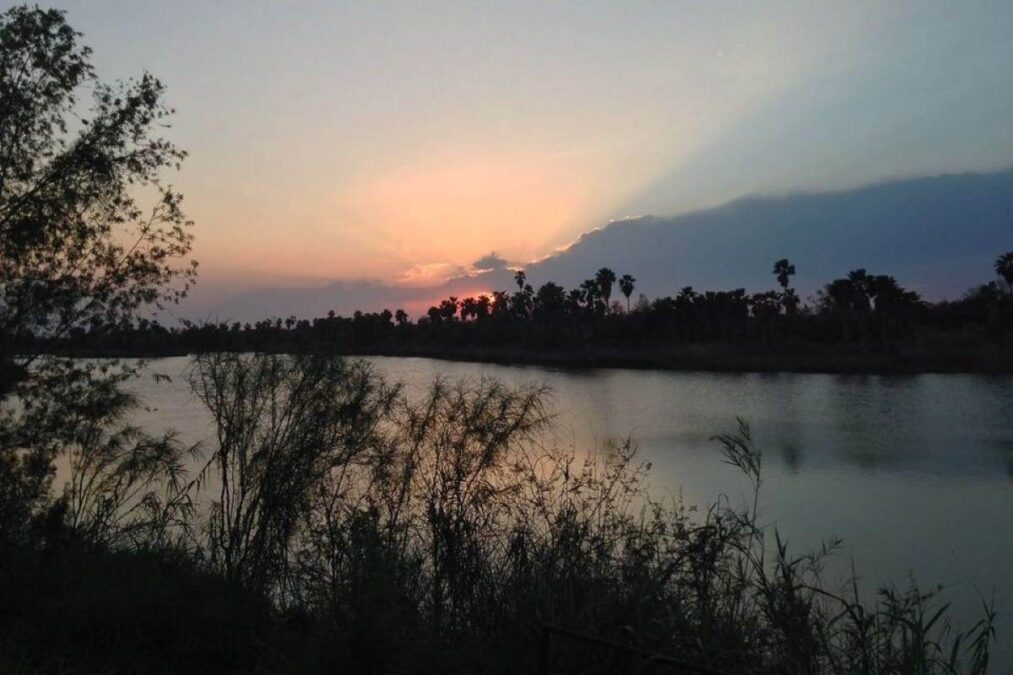
- Bentsen-Rio Grande Valley State Park – World Birding Center headquarters
- Resaca de la Palma State Park – Largest tract of native habitat in Lower Rio Grande Valley
- Falcon State Park – Border lake; legendary bass fishing
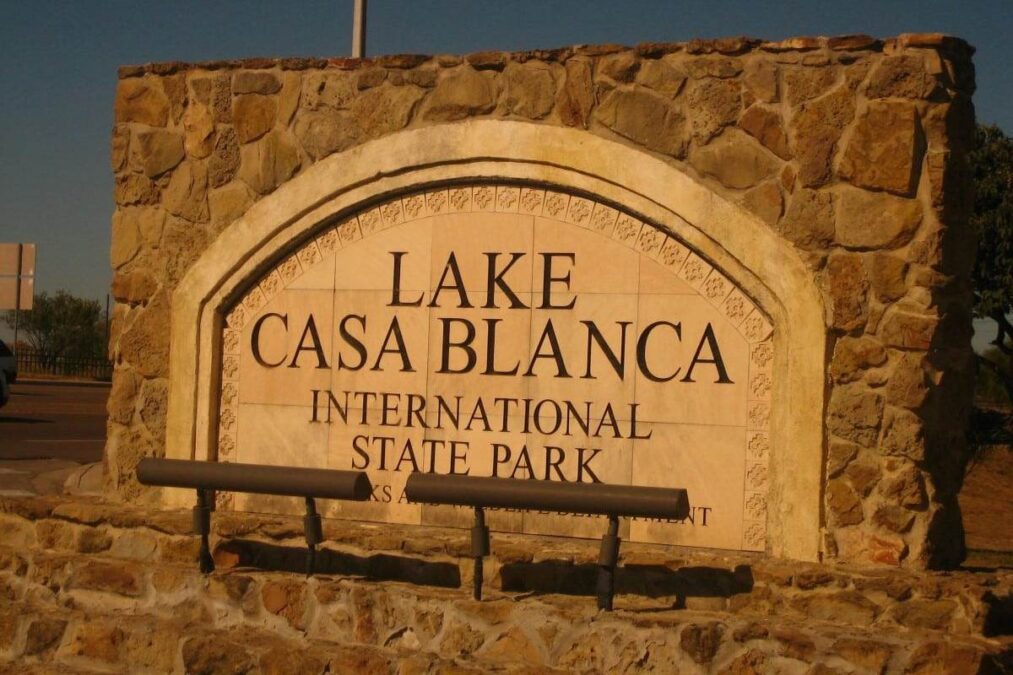
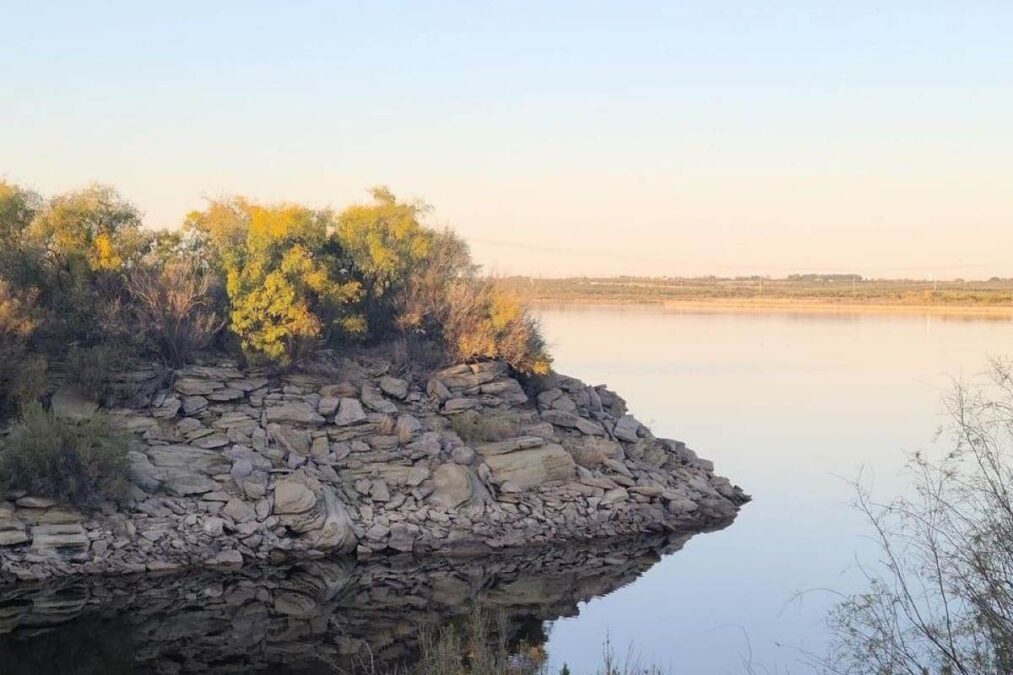
- Lake Casa Blanca International State Park – Laredo oasis
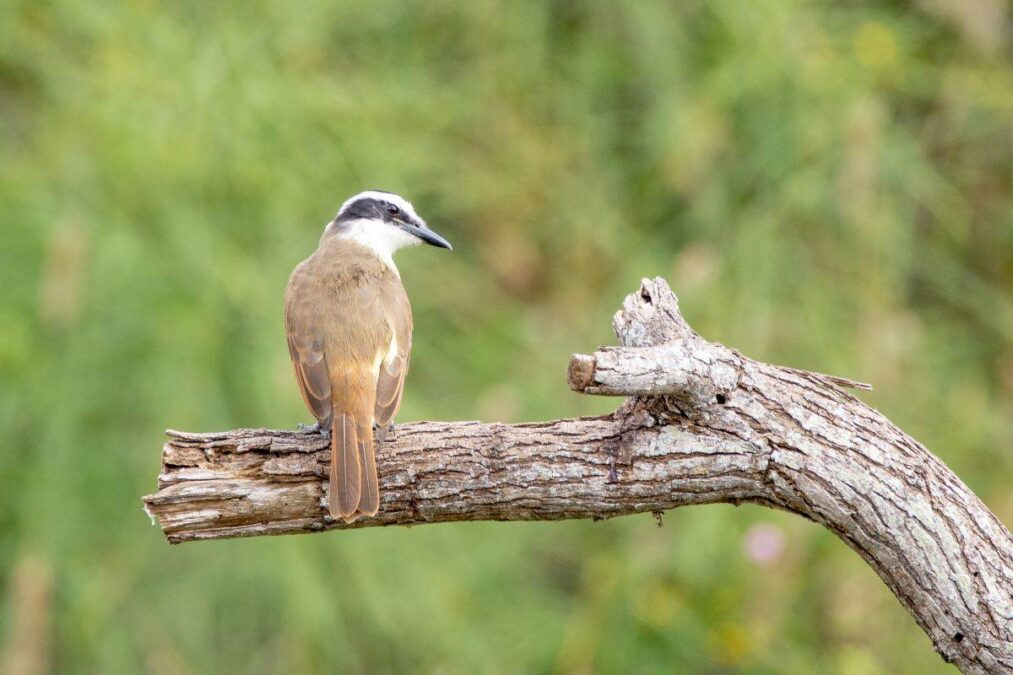
Best For: Birding (400+ species), butterfly watching, fishing, subtropical nature
Best Texas State Parks by Activity
🏕️ Best for Camping
| Park | Region | Highlights |
|---|---|---|
| Palo Duro Canyon | Panhandle | Cabins overlooking canyon rim |
| Garner | Hill Country | Most popular; book 5 months ahead |
| Caddo Lake | Pineywoods | Historic CCC cabins on the lake |
| Big Bend Ranch | Big Bend | Remote backcountry camping |
| Mustang Island | Gulf Coast | Beach camping with hookups |
🥾 Best for Hiking
| Park | Trail | Distance/Difficulty |
|---|---|---|
| Enchanted Rock | Summit Trail | 0.6 mi (Moderate) |
| Palo Duro Canyon | Lighthouse Trail | 6 mi RT (Moderate) |
| Lost Maples | East-West Loop | 4.2 mi (Moderate) |
| Big Bend Ranch | Rancherias Loop | 19 mi (Strenuous) |
| Caprock Canyons | Canyon Rim Trail | 5.5 mi (Easy-Moderate) |
🎣 Best for Fishing
| Park | Fish Species | Notes |
|---|---|---|
| Falcon State Park | Largemouth bass, catfish | Tournament-quality lake |
| Lake Livingston | Catfish, white bass | 90,000-acre lake |
| Caddo Lake | Crappie, bass | Labyrinthine channels |
| Possum Kingdom | Striped bass | Legendary striper fishing |
| Lake Tawakoni | Blue catfish | State record catches |
👨👩👧👦 Best for Families
| Park | Why Families Love It |
|---|---|
| Garner State Park | Frio River splashing; jukebox dancing |
| Dinosaur Valley | Real dinosaur tracks kids can touch |
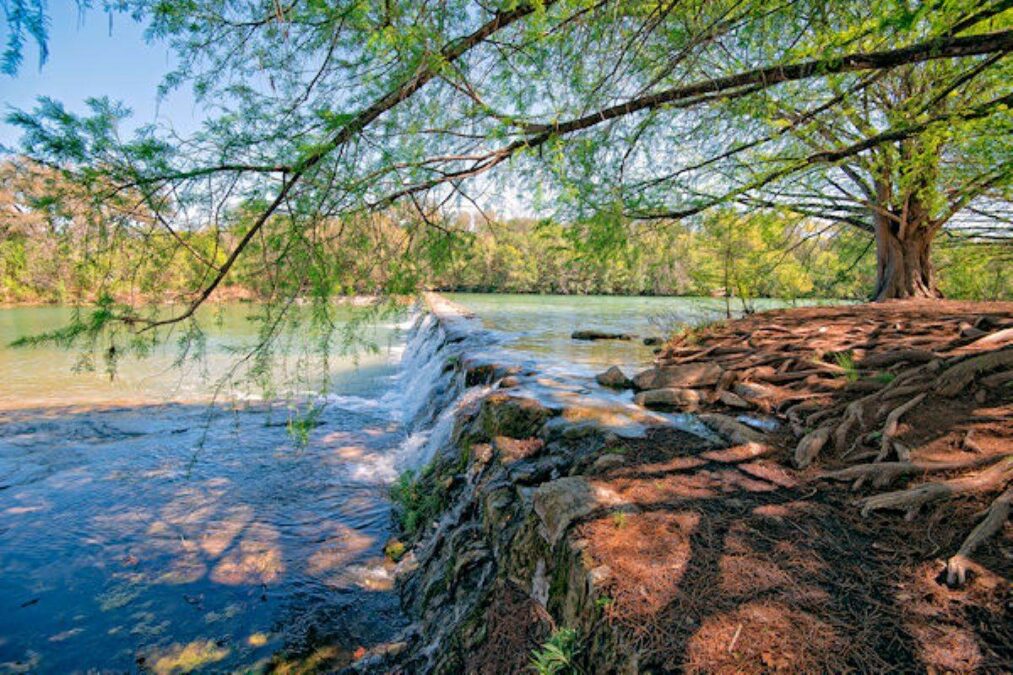
| McKinney Falls | Austin urban park; easy trails & pools |
| Balmorhea | Crystal-clear swimming pool; snorkeling |
| Tyler State Park | Gentle lake; CCC pedal boats |
🐕 Best for Dogs
| Park | Dog-Friendly Features |
|---|---|
| Cedar Hill | 5+ miles of dog-friendly trails |
| Cleburne | Trails and lake; leashed dogs welcome |
| Lake Mineral Wells | 4.5-mile equestrian/hiker trail |
| Huntsville | 20+ miles of multi-use trails |
| Copper Breaks | Backcountry trails; leashed access |
When to Visit Texas State Parks
| Season | Best For | Watch Out For |
|---|---|---|
| Spring (Mar–May) | Wildflowers, birding, comfortable temps | Popular weekends (book ahead) |
| Summer (Jun–Aug) | Swimming, tubing, water parks | Extreme heat (100°F+); crowds |
| Fall (Sep–Nov) | Fall foliage (Lost Maples, Daingerfield), hiking | Peak season at Hill Country parks |
| Winter (Dec–Feb) | Solitude, birding, mild weather | Shorter days; some closures |
Summer Heat Advisory: Texas summer temperatures regularly exceed 100°F. Always bring extra water (1 gallon/person/day minimum), avoid midday hiking, and never leave children or pets in vehicles.
How to Book: Reservations & Planning
Reservation System
- Website: texasstateparks.org
- Advance Window: Up to 5 months ahead
- Release Time: Rolling daily at midnight central time
Pro Tips for Popular Parks
- Enchanted Rock: Requires online day-use reservations on weekends/holidays
- Garner State Park: Book cabins exactly 5 months ahead
- Palo Duro Canyon: Rim cabins sell out first; book early
- Lost Maples (Fall): Closes to capacity during peak foliage; arrive before 9 AM
Frequently Asked Questions
How many state parks are there in Texas?
Texas has 89+ state parks, historic sites, and natural areas managed by Texas Parks & Wildlife, with new parks frequently being added. As of 2025, the system spans over 640,000 acres.
Is the Texas State Parks Pass worth it?
At $95/year, the pass pays for itself after about 14 visits to parks with a standard $7 entry fee. It also includes camping discounts (50% off second night) and 10% off retail—making it excellent value for frequent visitors.
Do I need a fishing license in Texas State Parks?
Yes, a valid Texas fishing license is required for anyone 17 or older fishing in state parks. Licenses are available at most park headquarters or online at TPWD.
Can I bring my dog to Texas State Parks?
Yes, leashed dogs are allowed in most Texas State Parks on trails and in day-use areas. However, dogs are typically not allowed in swimming areas, cabins, or screen shelters.
How far in advance should I book camping in Texas State Parks?
Reservations open 5 months in advance. Popular parks like Garner, Enchanted Rock, and Palo Duro Canyon book up quickly—especially for weekend stays and cabins.
Are there free days at Texas State Parks?
Texas State Parks offers free admission on select days including the first day of each month and certain holidays (Veterans Day, MLK Day). Check the TPWD website for current free admission dates.
What’s the best Texas State Park for beginners?
Pedernales Falls and McKinney Falls are excellent for first-time visitors, offering easy trails, swimming, and proximity to Austin. Tyler State Park is ideal for families new to camping.
Which Texas State Park has the best stargazing?
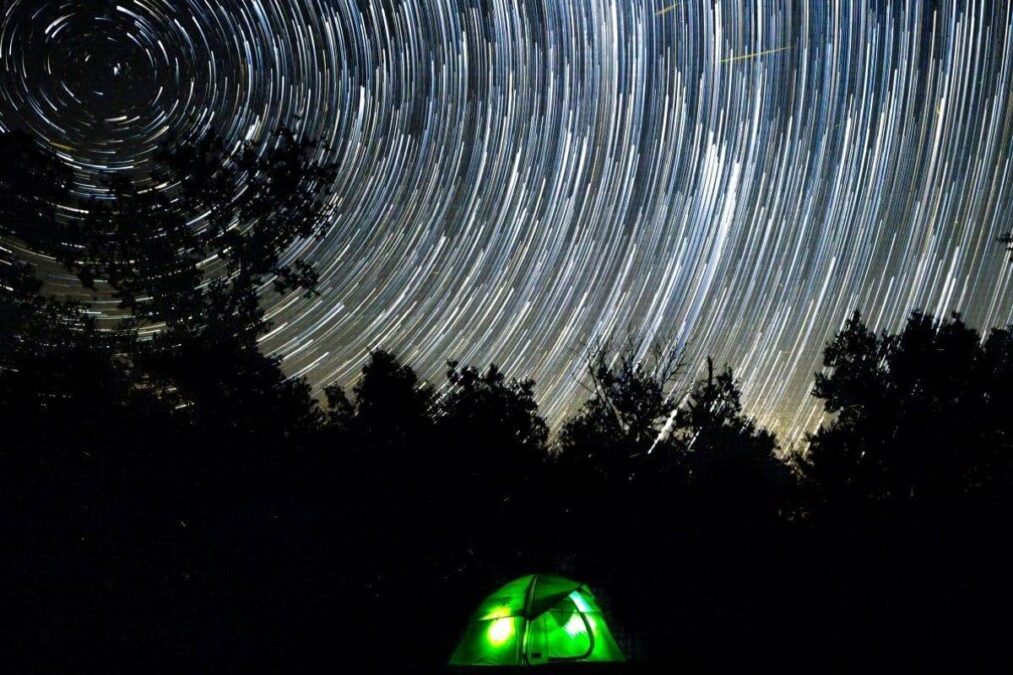
Copper Breaks State Park and Big Bend Ranch State Park are certified Dark Sky Parks with exceptional Milky Way viewing. Enchanted Rock is also excellent due to Hill Country isolation.
What’s the largest state park in Texas?
Big Bend Ranch State Park is Texas’s largest at 311,000 acres, spanning the remote Chihuahuan Desert along the Rio Grande.
When is the best time to see fall colors in Texas?
Peak fall foliage at Lost Maples State Natural Area typically occurs in late October to early November. Daingerfield State Park in East Texas also offers excellent fall colors.
Explore All Texas State Parks
Use our interactive filter below to find your perfect Texas State Park:
Plan Your Texas State Parks Adventure
Texas State Parks offer something for every outdoor enthusiast—whether you’re seeking desert solitude in Big Bend, tubing the crystal-clear Frio River, or searching for dinosaur tracks with your kids. With 89+ parks across 7 distinct regions and 640,000 acres of preserved land, the Lone Star State’s outdoor heritage is waiting to be explored.
Start planning: texasstateparks.org